
Introduction
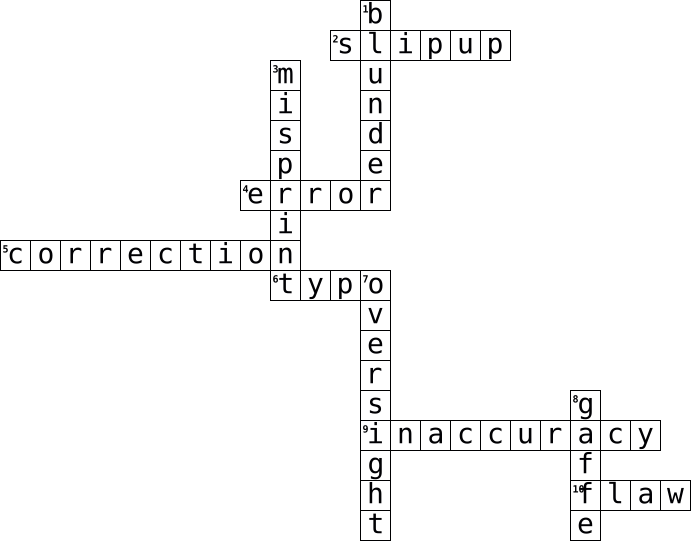
Mistakes happen. In crossword puzzles, these slip-ups come in many forms: typos, blunders, misprints, slips, and gaffes. Each type disrupts the solver’s flow, sometimes causing frustration, other times sparking curiosity. Understanding these errors is key to appreciating both the challenge and the craft behind puzzles.
Errors affect more than just the moment of solving. They shape how enjoyable and fair a puzzle feels. A simple typo can turn a straightforward clue into a dead end. A printing glitch might misalign answers, making a neat grid suddenly confusing. Knowing what to watch for helps solvers navigate puzzles with calm and confidence.
Why bother noticing mistakes? Because recognizing them turns potential frustration into a quiet moment of insight. It reminds us that puzzles are human creations, imperfect by nature. This awareness deepens our appreciation for the balance between challenge and clarity every good crossword aims to achieve. In this article, we’ll explore these errors, what causes them, and how they shape the solving experience.
Notable Instances of Crossword Errors
Mistakes in crosswords aren’t always accidental. Take the New York Times puzzle from March 11, 2026. Its editor introduced intentional “happy accidents”—deliberate errors woven into the grid. This wasn’t a slip-up, but a clever twist meant to surprise solvers and invite them into a playful challenge. Instead of frustration, many felt intrigued, invited to spot and appreciate these quirks. The editorial team even shared a video explaining the concept, turning errors into an engaging feature rather than a flaw. It’s a reminder that sometimes, imperfection can refresh a puzzle.
On the flip side, technical glitches happen too. In several 2026 puzzles, Unicode encoding errors led to strange characters replacing letters in clues. Imagine a critical vowel turning into an unreadable symbol. These glitches threw solvers off, sparking lively debates on Reddit about how to handle corrupted clues. While frustrating, these errors highlighted how technology can trip up even the most carefully crafted puzzles. They also reminded solvers to pause, rethink, and not take every clue at face value.
Whether intentional or accidental, these notable errors show the range of challenges in crossword creation and solving. They emphasize that a puzzle’s experience is shaped by more than just the answers—sometimes, the mistakes tell their own story.
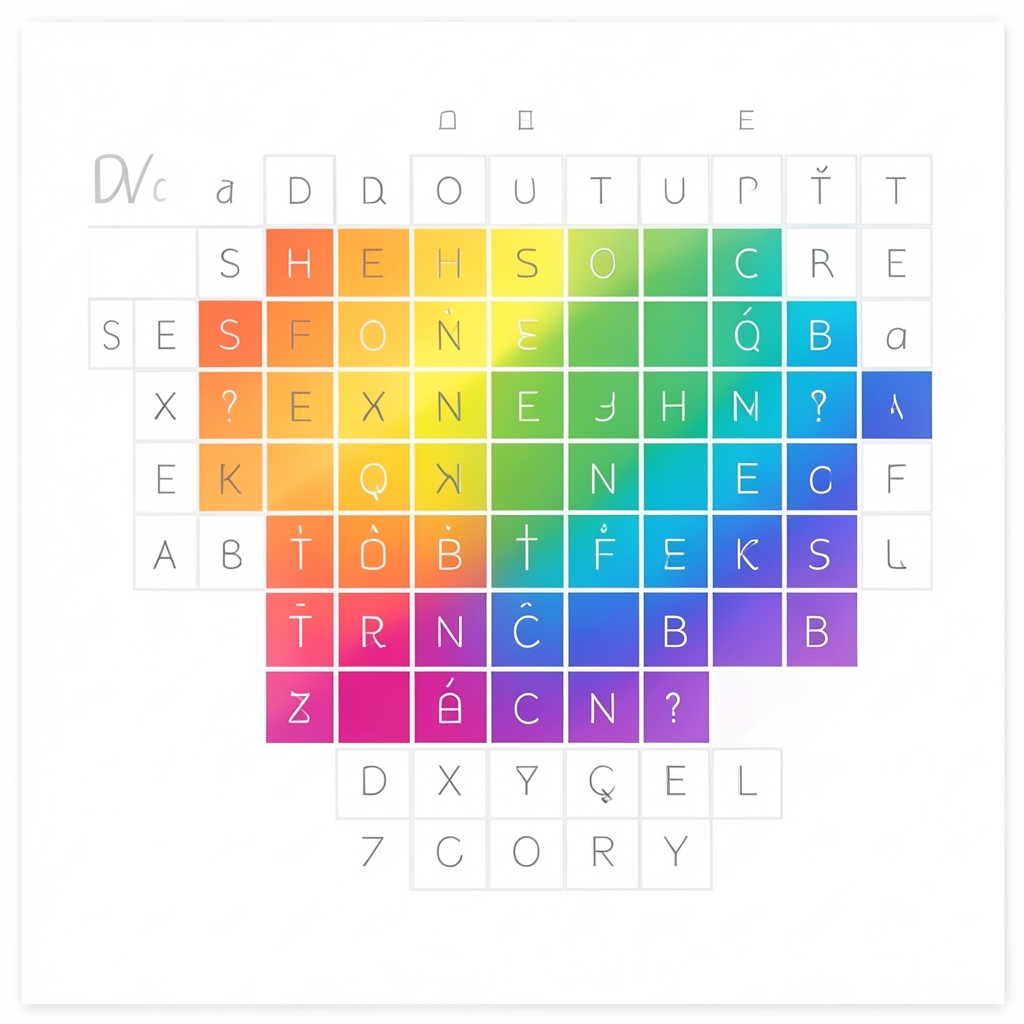
Common Flaws in Crossword Puzzles
Mistakes happen — even in crosswords. Understanding common flaws helps both solvers and creators navigate puzzles more smoothly.
Typographical mistakes and slips
A single typo can derail your solving flow. Misspelled answers confuse readers or create unintended words. For example, a famous blunder once swapped “lair” for “liar,” shifting the meaning entirely. These slips aren’t just annoying; they break trust and slow you down.
Misprints and printing errors
Sometimes the problem isn’t with the puzzle itself but how it lands on the page. Missing letters, swapped numbers, or poor grid alignment can turn a neat layout into a guessing game. When clues get cut off or the print blurs, solvers struggle to make sense of the puzzle. Editors fight these issues constantly, but imperfect printing remains a persistent challenge.
Flaws in clue ambiguity and oversight
Not all errors come from typos or print glitches. Some clues are just… vague. Ambiguity creeps in when wording leaves multiple interpretations open or hints don’t quite add up. Subtle mistakes in phrasing can confuse even experienced solvers. Puzzle designers often overlook these pitfalls, but clarity is key to a satisfying solve. A well-crafted clue is simple and direct—anything less invites frustration.
Mistakes in crosswords are inevitable. Knowing where they emerge lets us approach puzzles with calm clarity, turning each flaw into a nudge toward better solving and smarter creation.
Solver Reactions and Expert Insights
Mistakes happen. Even the most careful solver can misread a clue or jump to the wrong conclusion. Rushing through a puzzle often leads to simple errors—a letter here, a wrong word there. Our brains want quick answers, which sometimes means we overlook subtle details or get tripped up by ambiguous clues.
Cognitive biases play a big role too. If an answer feels “right” early on, it’s easy to ignore evidence to the contrary. Confirmation bias nudges us to fit new clues to our initial guess, rather than re-examining from scratch. This mindset can turn small slips into dead ends.
The crossword community knows this well. Forums and discussion boards buzz with conversations about tricky errors. Solvers share tips and frustrations, showing patience and humor when puzzles don’t go as planned. Experts suggest embracing these moments—pausing, rechecking, and staying flexible to find the best fit.
When clues seem unclear or suspect, patience is the real key. Taking a breath, reconsidering alternatives, and keeping an open mind can turn frustration into progress. Mistakes aren’t failures—they’re part of the craft, both for solvers and puzzle makers alike. Understanding this dynamic makes solving more satisfying and less stressful.
Tips for Identifying and Correcting Mistakes in Crossword Puzzles
Mistakes happen. Whether you’re filling in a grid or crafting one, knowing how to spot and handle errors makes all the difference.
For solvers: strategies to detect and manage errors
Start with careful reading. Don’t rush through clues. When something feels off, slow down and read it again. Ambiguous clues often hide small traps—or errors.
Cross-check your answers. If a word doesn’t fit with the intersecting letters, pause. Verify the crossing answers before settling on a final entry.
Practice patience. It’s easy to get frustrated when you hit a snag, but hasty changes often cause more errors. Take a breath. Step back with a fresh eye.
If you suspect an error but aren’t sure, accept it may be on the puzzle’s side. Sometimes, an editor missed a typo or ambiguous wording. For these tricky moments, rely on community forums or puzzle notes for clarification.
For puzzle creators and editors: best practices to minimize errors
Proofread relentlessly. Multiple passes—by different sets of eyes—catch the slips a single reviewer will miss.
Test the puzzle in all forms it will appear: print, digital, mobile. Formatting can wreck your best work if unexpected glitches sneak in.
Be transparent when errors are intentional. Let solvers in on the “happy accidents.” It builds trust and turns potential frustration into engagement.
In both solving and creating, clarity is key. Errors chip away at the experience. Catch them early, handle them thoughtfully, and puzzles stay a quiet pleasure rather than a noisy chore.
Crossword errors—from simple typos to complex misprints—shape how we experience puzzles. They can cause frustration or spark curiosity. Recognizing these mistakes helps solvers stay calm and focused, turning potential roadblocks into moments of insight.
Intentional errors add a playful twist, reminding us that puzzles are as much about creativity as precision. They invite us to slow down, think differently, and enjoy the unexpected.
For both solvers and creators, understanding errors is part of purposeful puzzle living. It sharpens attention, encourages patience, and deepens appreciation for the craft.
As crosswords evolve, so will how we handle mistakes. This ongoing conversation among editors, solvers, and designers keeps puzzles fresh and engaging.
Approach each challenge with calm clarity. Mistakes aren’t just problems—they’re an invitation to see more clearly and solve with intention.








-
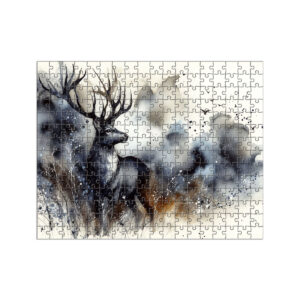 Jigsaw Puzzles
Majestic Stag Watercolor Jigsaw Puzzle 250 | 300 | 500 Pieces
Price range: kr 348,00 through kr 439,00 Select options This product has multiple variants. The options may be chosen on the product page -
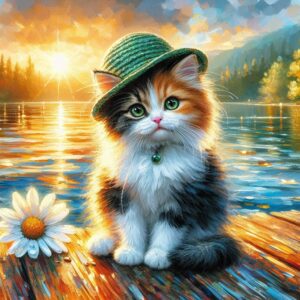 Jigsaw Puzzles
Cat & Sunset Wooden Jigsaw Puzzle 250 | 300 | 500 Pieces
Price range: kr 348,00 through kr 439,00 Select options This product has multiple variants. The options may be chosen on the product page -
 Jigsaw Puzzles
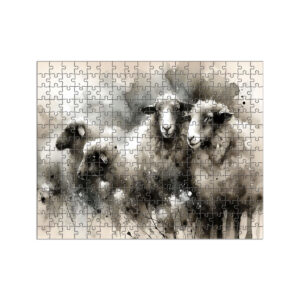
Enchanting Four Sheep Zodiac Jigsaw Puzzle 250 | 300 | 500 Pieces
Price range: kr 348,00 through kr 439,00 Select options This product has multiple variants. The options may be chosen on the product page