

Imagine stepping outside on a clear night, tilting your head back, and seeing pinpricks of light scattered across a velvet sky. Each of those shimmering dots is a star—a blazing sphere of plasma, burning millions of miles away, quietly shaping the story of our universe. Stars, in their endless variety and brilliance, are more than distant suns; they’re the guiding lights that helped ancient sailors cross oceans and the cosmic furnaces that forged the elements making up our world.
At their core, stars are massive balls of gas where nuclear fusion powers their glow, turning hydrogen into helium and releasing vast amounts of energy. This energy floods space as light and heat, sustaining planets, including our own—reminding us that life on Earth owes its existence to the closest of these fiery orbs. Beyond their scientific allure, stars serve a practical role too. For millennia, humans have read the night sky like a map, using stellar positions to navigate and mark time.
In this journey, we’ll explore stars that capture both the imagination and the telescope’s lens—from the familiar warmth of the Sun to the dazzling Sirius, the steadfast Polaris, and the enigmatic giants like Betelgeuse and Rigel. Each star tells its own story, weaving together threads of science, culture, and the timeless human urge to look up and wonder. So, let’s step closer to these celestial wonders and uncover what makes them shine so brightly, both in the heavens and in our history.
2. The Sun: Our Closest Star
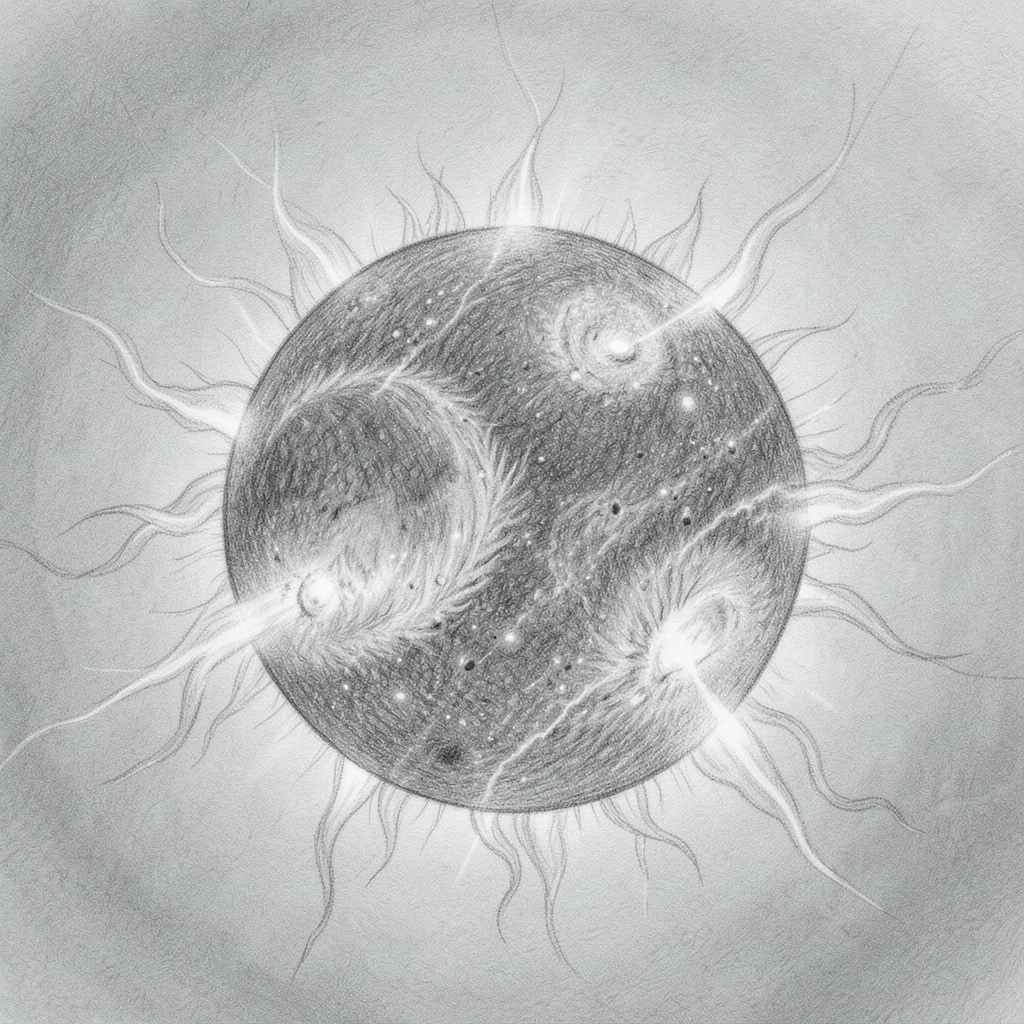
Step outside on any clear day and you feel its presence: the Sun, a blazing sphere of plasma that dominates our sky and sustains life on Earth. It’s not just a bright light in the sky—it’s the heart of our solar system, a massive engine powering everything from the oceans’ tides to the photosynthesis in leaves.
At about 1.4 million kilometers in diameter—roughly 109 times wider than Earth—the Sun is a colossal ball of mostly hydrogen and helium. Through a process called nuclear fusion, it turns hydrogen into helium deep in its core, releasing an astonishing amount of energy. That energy journeys over 150 million kilometers to warm our planet and light our days.
This radiant star governs the rhythms of life and weather, creating the cycles that shape ecosystems around the globe. Beyond its warmth, the Sun serves as a natural laboratory, helping scientists understand how stars live and die. Every sunspot, flare, or solar wind teaches us more about not only our own star but about stars scattered across the galaxy.
In many ways, the Sun is both familiar and mysterious—a fiery companion whose steady glow connects us all, reminding us of our place in the vastness of space.
3. Sirius: The Brightest Star in the Night Sky
Sirius stands out like a diamond against the velvet backdrop of the night. Known as the “Dog Star,” it’s the brightest star visible from Earth, easily spotted twinkling with a steady, almost piercing light. Its glow can outshine almost every other star, a beacon that has drawn the eyes of countless generations.
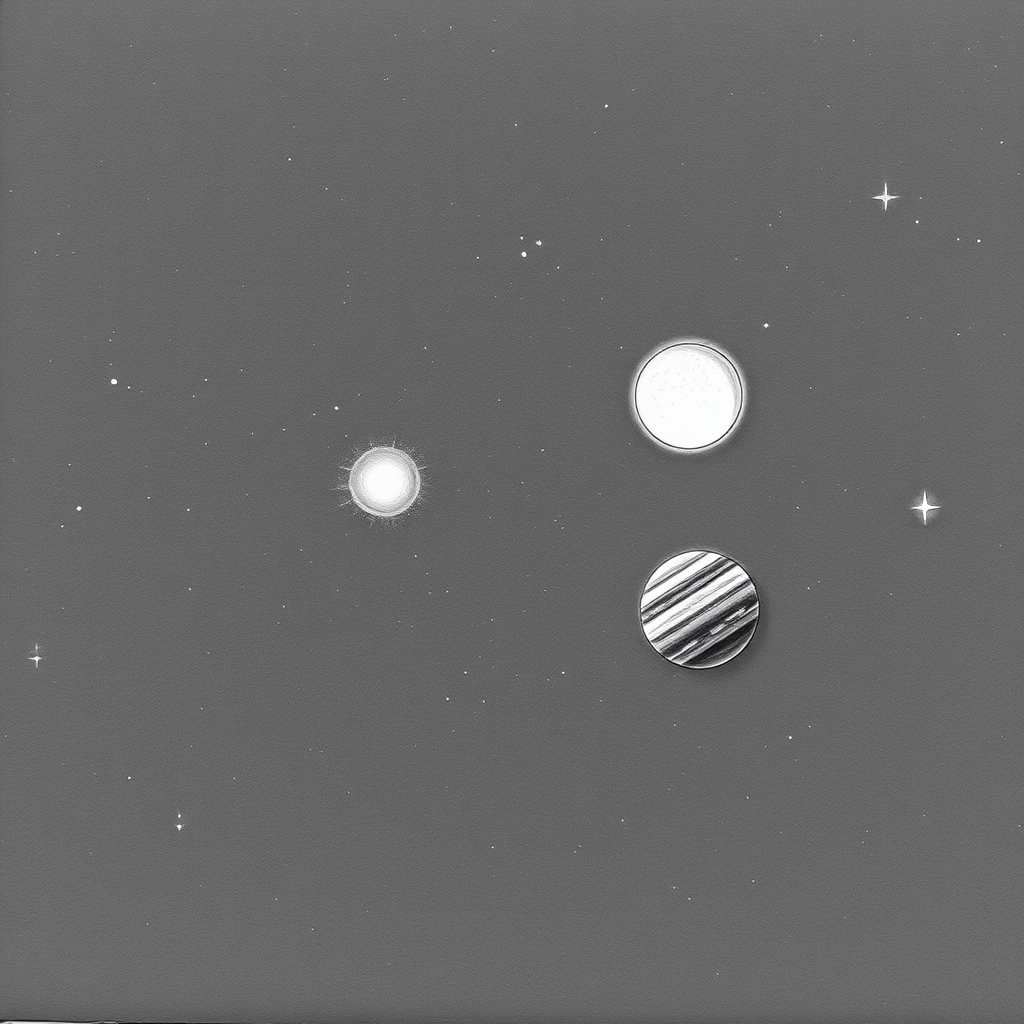
In 2026, skywatchers will be treated to a special celestial event: a rare meeting of the supermoon and Jupiter, both appearing near Sirius. Imagine the spectacle—a glowing lunar orb, a giant gas planet, and the dazzling Dog Star sharing the same stretch of sky, a cosmic trio that invites wonder.
Sirius isn’t just a solo act; it’s actually a binary star system. Its main star, Sirius A, is about twice as massive as our sun and shines with brilliant white-blue light. Accompanying it is Sirius B, a faint white dwarf—an ancient stellar remnant quietly orbiting in its shadow. This dance of two stars tells a story of birth, evolution, and quiet endurance in the vastness of space.
Across cultures, Sirius has carried meanings as varied as the star’s brightness. The ancient Egyptians aligned their calendars with its heliacal rising, linking it to the flooding of the Nile and a new agricultural year. Mariners of old used Sirius as a guiding light for navigation under star-filled skies, while Aboriginal Australian stories often weave the star into rich oral traditions, connecting people to land and cosmos alike.
Sirius is more than just a point of light; it’s a living thread through time—a star that bridges science, myth, and human curiosity. When you look up and catch its glow, you’re seeing a star that’s been a constant companion to humanity’s long journey beneath the stars.

4. Polaris: The Eternal North Star
Imagine standing under a clear night sky in centuries past, a traveler lost in the wilderness or a sailor steering through unknown seas. Above all the twinkling lights, one star holds steady—Polaris, the North Star. It’s not the brightest, but it’s reliably fixed, perched almost exactly above Earth’s northern axis. This unique position makes Polaris a celestial lighthouse, guiding wanderers safely toward true north.
For centuries, cultures across the globe have looked up to Polaris for navigation. Before the age of compasses and GPS, it was the ultimate guide—steady, unchanging, and easy to spot in the northern hemisphere. Sailors relied on it to chart their course across oceans; nomads used it to find their way through deserts. Its role was not just practical but deeply woven into storytelling and mythology, symbolizing constancy and direction.
What makes Polaris so special is its alignment. Earth’s axis points nearly straight at this star, meaning as the planet spins, Polaris stays put in the sky. It’s the pivot point around which the northern heavens appear to rotate. Because of this, measuring its height above the horizon gives you your latitude—a compass in the sky.
But Polaris is more than a handy navigational tool. It’s part of a triple star system, its brightness a collaboration of stars locked in cosmic dance. And while it feels timeless, Polaris, too, is a living star with a life cycle unfolding over millions of years.
So next time you gaze northward on a clear night, trace your eye to that steady golden point—Polaris. It’s a reminder of human curiosity and the ancient bond between people and the night sky, guiding us not just geographically but through history itself.

5. Vega: A Bright Beacon in the Lyra Constellation
Step outside on a clear summer evening, and if you turn your gaze toward the northern sky, you might spot a star shining with a steady, silvery light—that’s Vega. Sitting about 25 light-years away, it’s one of the brightest stars visible to the naked eye and a staple star for stargazers and astronomers alike.
What makes Vega stand out isn’t just its brightness; it’s also a key player in the night’s familiar patterns. Vega anchors the Summer Triangle, an asterism formed alongside Altair and Deneb, which has guided travelers and inspired poets for centuries. This trio forms a rough triangle high overhead during warm months, a celestial landmark both simple and striking.
Vega’s importance goes beyond its role as a night’s beacon. As a relatively young star—only about 450 million years old—it’s helped astronomers understand star formation and evolution. Its rapid rotation causes the star to bulge slightly at the equator, giving Vega a subtle but fascinating oblate shape—a feature that reveals the dynamic forces shaping stars.
In astrophotography, Vega’s brightness and distinct position make it a favored target. Its light pierces the darkness as a reliable reference point, allowing photographers and scientists to capture the intricate patterns of the cosmos with remarkable clarity.
Vega reminds us that even a distant, radiant dot on the sky holds stories about the life cycles of stars and the cosmic dance playing out light-years away. It’s a brilliant example of how the night sky connects us to the vast, unfolding story of the universe.
6. Betelgeuse: The Mysterious Red Supergiant
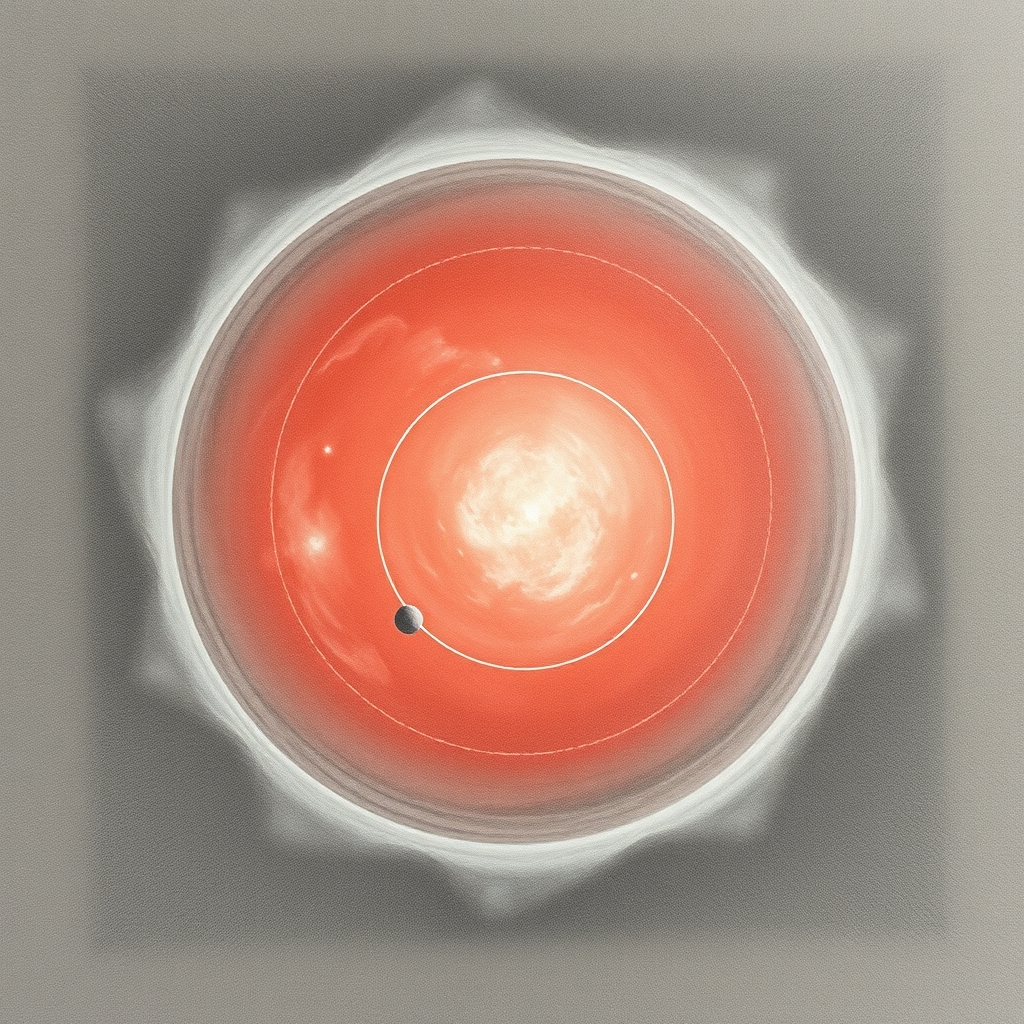
Picture a giant glowing ember in the vastness of space — that’s Betelgeuse, a red supergiant star that stands out with its deep rust-colored glow. It’s one of the largest stars visible to the naked eye, so enormous that if it replaced our Sun, its outer surface would stretch past the orbit of Jupiter. Its sheer size and color make it impossible to miss in the Orion constellation, a fiery sentinel watching over winter skies.
Betelgeuse isn’t just a pretty light; it’s a star in a late and dramatic phase of life. Unlike our steady Sun, Betelgeuse is volatile, swelling and shrinking over months, causing its brightness to fluctuate noticeably. Scientists have learned that a companion star may be stirring this behavior, tugging at Betelgeuse’s outer layers like a cosmic dance partner, adding mystery to its twinkling show.
This star’s days are numbered in cosmic terms. It’s a prime candidate to explode as a supernova, an event that could light up our skies far brighter than the Moon for weeks. While no one knows exactly when this will happen, the idea of witnessing such a cataclysmic finale is both thrilling and humbling — a reminder of the restless cycles that shape our universe. Until then, Betelgeuse continues to pulse and glow, a colossal beacon of cosmic life and inevitable change.

7. Rigel: A Blue Supergiant Wonder
Picture a star so bright and massive that it outshines most of its neighbors with a cool, blue glow—this is Rigel, the dazzling jewel at Orion’s foot. Unlike the warm, golden light of our Sun, Rigel burns with a fierce intensity, its surface temperature soaring above 11,000 degrees Celsius. This puts it firmly in the class of blue supergiants, stars that live fast and die young in cosmic terms.
At roughly 860 light-years away, Rigel is one of the most luminous stars visible to the naked eye, shining with a brilliance about 120,000 times that of the Sun. Its sheer size is staggering too—estimates suggest it’s nearly 70 times wider than our star. Imagine a sphere so immense that if Rigel replaced the Sun at the center of our solar system, its surface would extend well past the orbit of Mercury.
But Rigel’s story is not just about size and shine. Astronomers are curious about its life cycle because blue supergiants like Rigel are rare and volatile. There’s ongoing debate about how Rigel will evolve. Will it collapse into a neutron star or explode as a supernova, scattering elements that could one day form new stars and planets? Its future is tied to the delicate dance of mass loss, nuclear fusion, and internal instability—a drama unfolding over millions of years.
Nestled in Orion, Rigel is more than a point of light; it’s a cornerstone of one of the most recognizable constellations. Sailors and storytellers alike have used Orion as a celestial guide for millennia, and Rigel’s steady glow has marked the path. Standing beneath the winter sky, you can almost feel the pulse of the universe through Rigel’s brilliant, blue heart.
8. Proxima Centauri: Our Closest Stellar Neighbor
Imagine looking up at the night sky and knowing there’s a star just next door—cosmically speaking. Proxima Centauri sits a mere 4.2 light-years from our Sun, making it the closest star beyond our solar system. It’s a modest presence compared to the giants we’ve met so far: a red dwarf, cool and faint, barely visible without a telescope. But don’t let its unassuming glow fool you—Proxima Centauri holds mysteries that have astronomers buzzing.
This little star is much smaller and cooler than the Sun, burning its fuel slowly and quietly. Red dwarfs like Proxima are known for their longevity, surviving for billions, even trillions, of years. In a way, it’s like the steady neighbor who’s been there for ages and will outlast us all. But what really puts Proxima Centauri in the spotlight are the worlds orbiting around it. Scientists have confirmed at least one exoplanet in the habitable zone, a realm where temperatures might allow liquid water to exist—an essential ingredient for life as we know it.
The discovery shook up our ideas about where life might be found. Could Proxima’s exoplanet, Proxima b, harbor oceans, or even something more? The star doesn’t make it easy: frequent stellar flares might whip through the system, challenging any potential atmosphere clinging to its planet. Yet, this cosmic neighbor invites us to imagine the thrilling possibility of life just a stone’s throw away, compared to the vast stretches of the galaxy.
Proxima Centauri reminds us that our quest to understand the universe often begins at home—looking outward to the closest stars, spotting planets that could change everything. It’s a quiet, red guardian on the edge of our stellar neighborhood, whispering of adventures just beyond reach but within our grasp in the years to come.
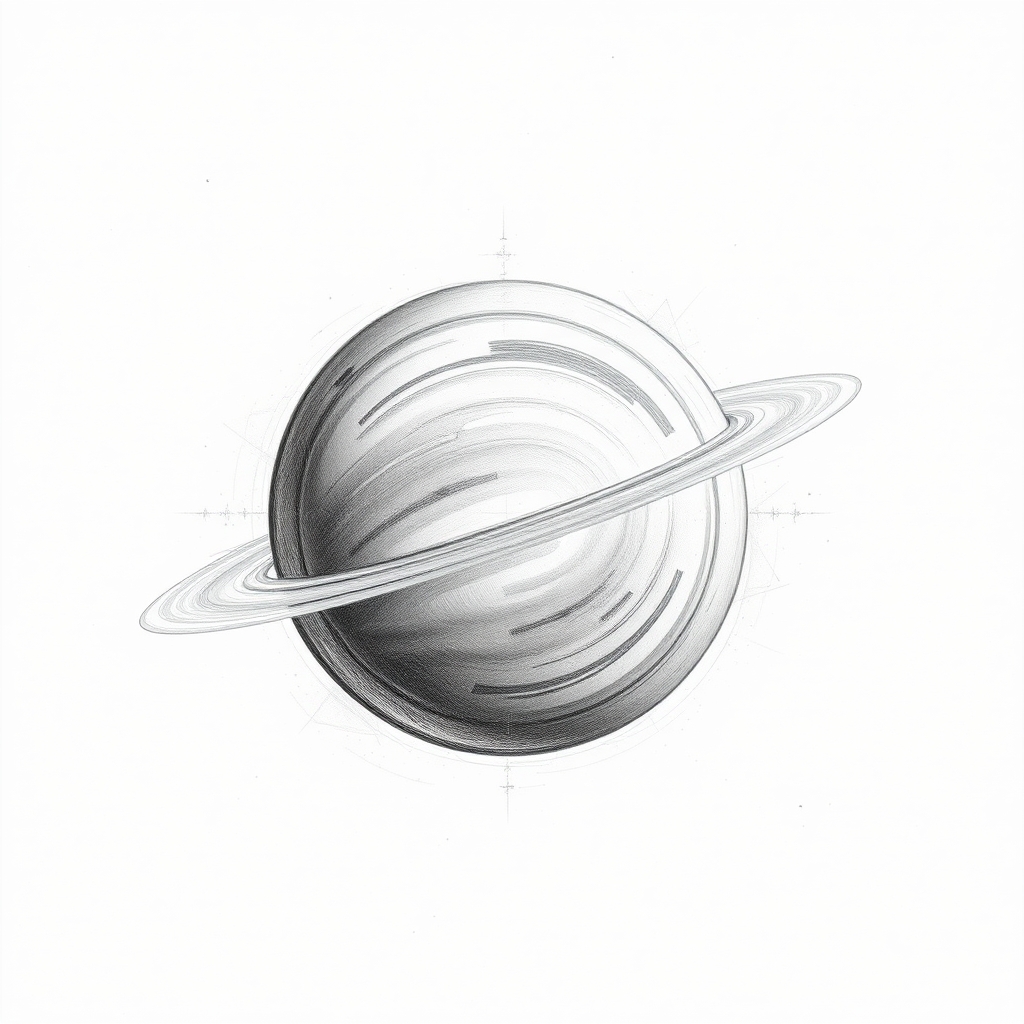
Altair spins fast — really fast. Imagine a star whirling so quickly that its shape is stretched out, a bit like a cosmic top wobbling as it turns. This rapid rotation isn’t just a quirky detail; it actually flattens Altair at the poles and bulges it at the equator, making it an oblate spheroid rather than a perfect sphere. It’s a striking reminder that even stars aren’t immune to the forces of physics in full motion.
Classified as an A-type main-sequence star, Altair shines brightly in the night sky, standing as one of the nearest stars visible to the naked eye at about 16.7 light-years away. Its speed—rotating roughly once every 9 hours—sets it apart from many other stars, whose rotational periods are often measured in days. This dizzying spin influences Altair’s magnetic fields and internal mixing, factors that astronomers think are key to understanding how stars develop and age over millions of years.
What about Altair’s future? There’s still a bit of friendly debate among scientists. Given its mass and makeup, Altair is expected to exhaust its hydrogen fuel in the core and eventually transition into a white dwarf—quietly cooling after burning bright in its prime. But how Altair’s rapid rotation will impact that transformation remains a fascinating question. Will it slow down first, or will its fast spin leave lasting marks on its evolution?
As part of the Summer Triangle asterism along with Vega and Deneb, Altair isn’t just a fast spinner; it’s a vibrant chapter in the story of stellar life cycles. Each time you spot its sparkle overhead on a warm summer night, you’re glimpsing a star caught in a whirl of cosmic choreography, spinning its own tale written in light.
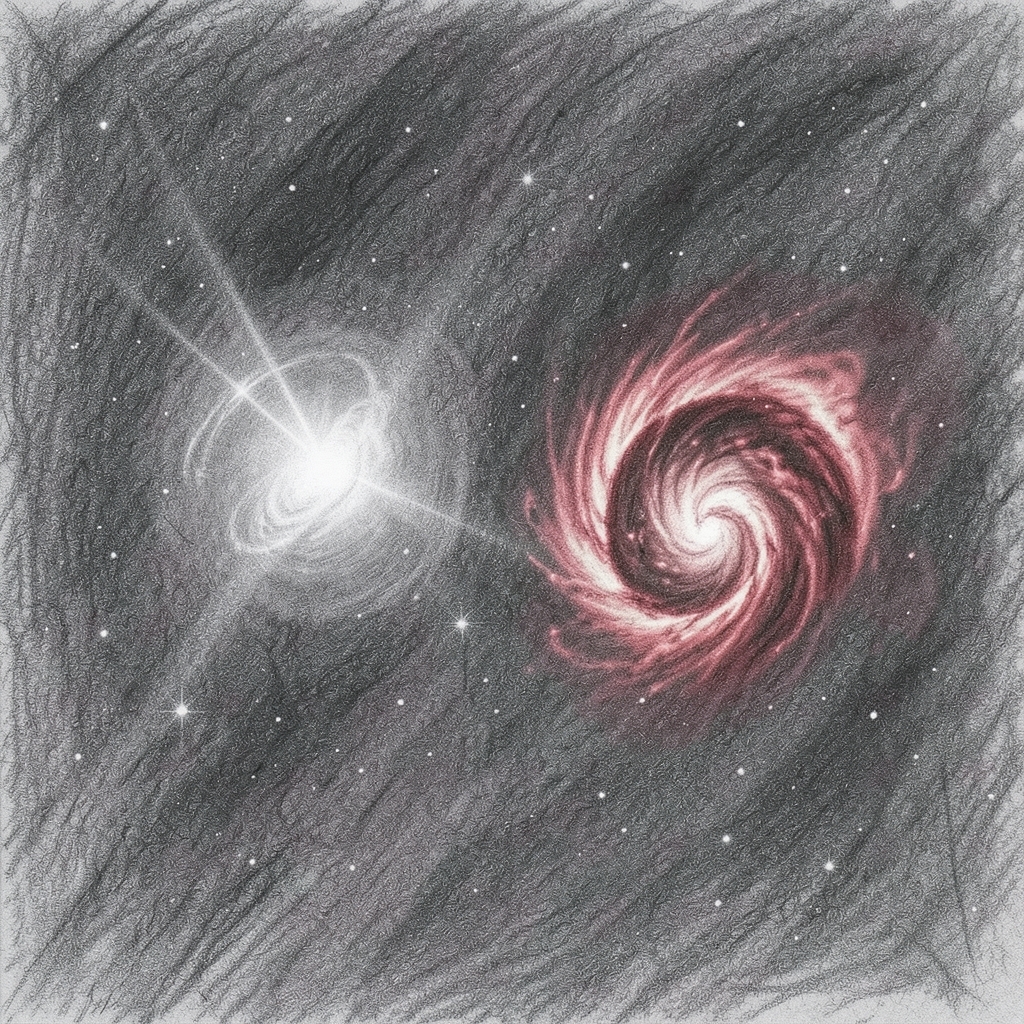
Deneb and Antares shine like giants reigning over their corners of the night sky, each carrying stories etched in light across time.
Deneb, perched as the brightest star in the constellation Cygnus—the Swan—anchors the famous Summer Triangle alongside Vega and Altair. Its brilliance isn’t just for show; Deneb is a luminous supergiant, vast and energetic, shining from some 2,600 light-years away. Imagine a star so colossal and radiant that if it replaced our Sun, its glow would overwhelm our entire sky. Yet, its distance whispers a silent reminder of the scale and grandeur of our galaxy. Through Deneb, astronomers glimpse the later stages of a massive star’s life, adding pieces to the cosmic puzzle of how stars age and transform.
Not far in spirit, Antares commands attention in the constellation Scorpius as its fiery “heart.” Named from the ancient Greek meaning “rival of Mars,” Antares flaunts a deep red hue rivaling the planet’s glow. This red supergiant is a spectral giant, sprawling hundreds of times wider than our Sun, its surface roiling with turbulent convulsions. For millennia, Antares has been more than just a celestial landmark—it held royal rank in Persian astronomy, a guiding star laden with myth and meaning. Its fiery tone echoes stories of passion and power scattered throughout cultures, bridging ancient stargazers with those who chart the heavens today.
Together, Deneb and Antares are not just stars; they are luminous storytellers, tracing the vast threads of cosmic life and human wonder. Looking up at them, we’re invited to ponder the majestic cycles of creation and change written across the velvet night.
As we look up at the night sky, it’s easy to feel small beneath the vast canvas dotted with stars. Yet each of these brilliant points of light tells a story—of intense heat, ancient light traveling across unimaginable distances, and the very stuff that shapes our universe. From the steady glow of our life-giving Sun to the fast-spinning Altair, these stars aren’t just remote suns; they’re chapters in an ongoing cosmic story, each with its own character and mystery.
The Sun anchors our solar system, a constant presence that sustains life and marks the passage of days. Sirius dazzles with brightness, capturing the imagination of countless cultures over millennia, while Polaris has guided travelers safely across unknown seas, a celestial compass etched into human history. Vega, Betelgeuse, Rigel, and the others unfold the drama of stellar life cycles—from youthful vibrance to the looming spectacle of supernovae—reminding us how stars grow, change, and eventually fade.
Even our closest neighbor, Proxima Centauri, invites curiosity about worlds beyond our own, fueling dreams of discovery and the search for new homes in the cosmos. Deneb and Antares, giants of the night sky, stand as majestic beacons steeped in myth and science alike.
Together, these stars enrich our understanding not just of space, but of time, culture, and the delicate dance of existence. So next time you step outside and gaze upward, take a moment to connect with these celestial companions. Their light is ancient, their stories vast, and their presence a reminder that in the grand tapestry of the universe, we’re all woven together—under the same starlit sky, forever searching, learning, and wondering.














-
 Jigsaw Puzzles
Norwegian Stave Church Abstract Jigsaw Puzzle 250 | 300 | 500 Pieces
Price range: kr 348,00 through kr 439,00 Select options This product has multiple variants. The options may be chosen on the product page -
 Jigsaw Puzzles
Zodiac Ink Art Puzzle: The Playful Monkey 250 | 300 | 500 Pieces
Price range: kr 348,00 through kr 439,00 Select options This product has multiple variants. The options may be chosen on the product page -
 Jigsaw Puzzles
Majestic Stag Watercolor Jigsaw Puzzle 250 | 300 | 500 Pieces
Price range: kr 348,00 through kr 439,00 Select options This product has multiple variants. The options may be chosen on the product page