

1. Introduction
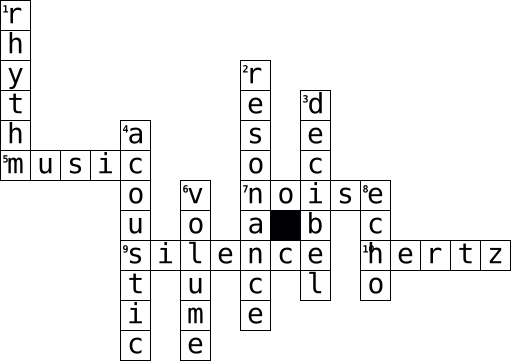
Have you ever paused to really notice the sounds around you? From the soft rustle of leaves to the distant hum of city life, sound is a constant companion. At its core, sound is simply vibrations traveling through the air, delivering waves that our ears interpret as everything from whispers to roars. These waves have different qualities—like frequency, which shapes pitch, and volume, which defines their strength—each coloring our experience in subtle ways.
Why take a moment to understand sound? Because it’s more than background noise. Sound quietly influences how we feel, think, and even heal. It triggers memories, stirs emotions, and can bring calm or chaos. By paying attention to sound’s nature—and also to the spaces between sounds, the silence—we open a door to deeper well-being.
In the journey ahead, we’ll explore echoes and silence, the effects of noise on health, the emotional power of music and rhythm, and how sound shapes the spaces we inhabit. Together, let’s listen with fresh ears and discover how sound and silence play quietly vital roles in our lives.
2. Scientific Concepts of Sound
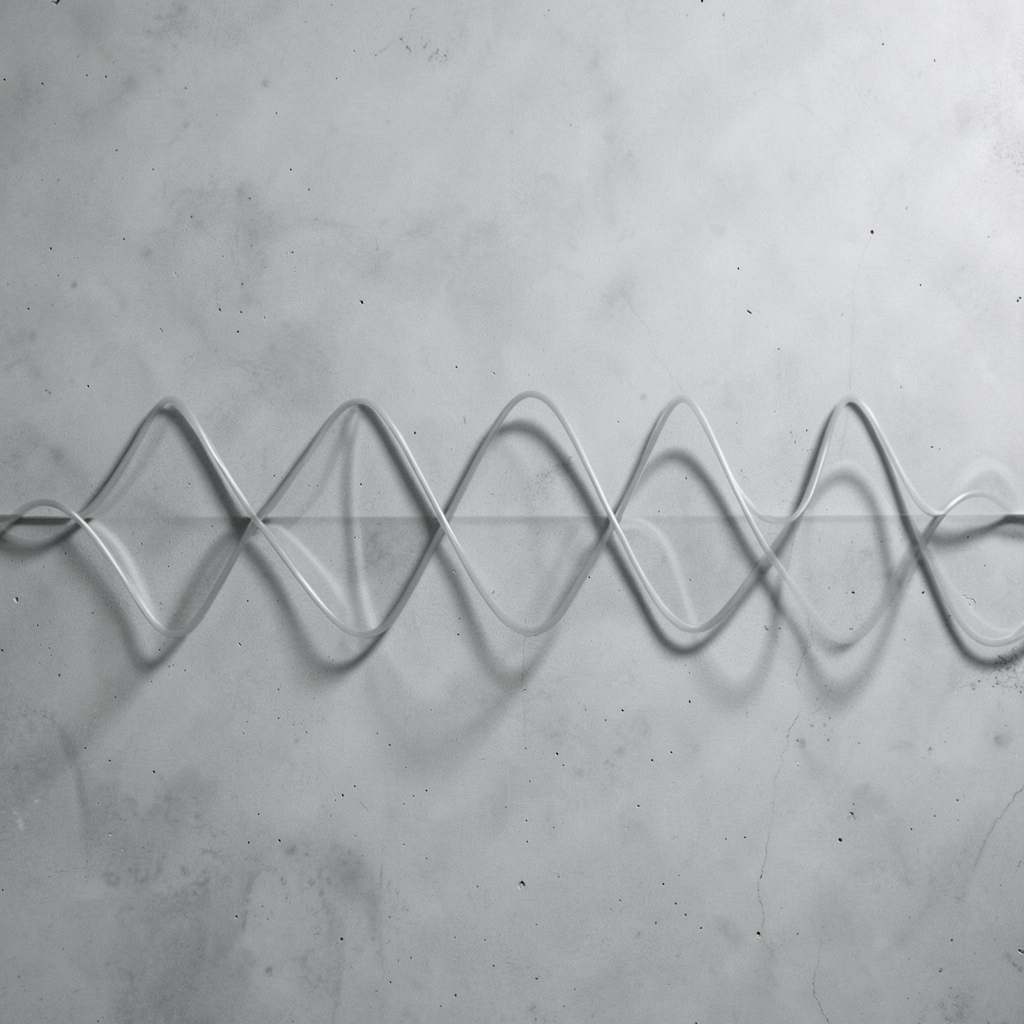
Sound travels in waves—vibrations moving through the air, carrying energy, and reaching our ears as what we recognize as noise, music, or silence. To appreciate how sound shapes our world, it helps to understand a few core ideas: frequency, volume, and resonance.
Frequency, measured in hertz (Hz), tells us how fast those waves vibrate each second. Think of it like the pace of ripples on a pond: faster ripples mean higher pitch, slower ones bring lower tones. A bird’s song flutters in high frequencies, while a drum’s rumble sits deep and low. Interestingly, how sound bounces back as an echo depends a lot on frequency—higher frequencies tend to reflect more sharply, painting clearer echoes in open, hard spaces.
Volume speaks to the strength or intensity of the sound, measured in decibels (dB). The decibel scale is like climbing steps that grow steeper as you rise: every 10 dB jump doesn’t just add a bit—it’s ten times louder. That means a bustling city street at 80 dB feels far quieter compared to a rock concert blasting at 110 dB. Staying around 85 dB or below helps protect our ears, keeping the gentle hums of life from turning into lasting harm.
Then, there’s resonance—a kind of natural harmony. Picture pushing a swing; when your pushes match the swing’s rhythm, it arcs higher effortlessly. In sound, resonance amplifies certain tones, enriching music or filling a room with warmth. Some embrace the soothing power of specific frequencies, like 432 Hz, believed by many to cradle the mind into relaxation, though this remains a gentle whisper rather than a loud truth.
Together, frequency, volume, and resonance shape the soundtrack of our days—sometimes carrying calm, other times calling for attention. Understanding these elements invites us to listen not just with our ears but with presence, noticing how sound weaves through our moments. Take a breath, pause, and consider: how do the waves of sound ripple in your own space?

3. Acoustic Phenomena: Echo and Silence
When you find yourself calling out in a vast canyon or a quiet hallway, you might hear your own voice bounce back—an echo, a simple yet mesmerizing dance of sound waves. Echoes occur when sound waves hit a surface and reflect back to your ears after a brief delay. The nature of the surfaces around you—their hardness, shape, and distance—shapes how that echo unfolds. Smooth, hard surfaces like cliffs or tiled walls send clearer, sharper echoes, while softer or irregular surfaces absorb or scatter sound, muting the reflection. Interestingly, the frequency of the sound matters, too. Higher-pitched sounds tend to reflect more distinctly, creating crisper echoes, while lower frequencies may seem to fade or merge with the original sound (Source: Acoustical Solutions).
But what about silence? Is it ever truly silent? In the quietest room or at the peak of stillness, our ears do not rest; they tune in to subtle vibrations, the faint hum of the body and the world’s whispers. Our brain fills these gaps, crafting an acoustic space that is less absence, more presence. This perception makes silence a unique soundscape—a canvas for awareness and calm. Researchers from Johns Hopkins University explore how hearing “silence” isn’t an emptiness but a background hum that allows us to reset, offering a mental pause woven with gentle quiet (Source: Johns Hopkins University).
Echo and silence, then, are two sides of sound’s gentle play—one a reflection bouncing back, the other a quiet invitation to listen deeply within. Both remind us that sound is not just noise but an active partner in our everyday experience, shaping moments of clarity, connection, and calm.
Take a moment now—close your eyes and notice the space between sounds. In that stillness, what echoes inside you? 🕊️

4. Noise, Volume, and Health Impacts
When everyday sounds rise from background hums to overwhelming clamor, they cross into what we call noise pollution. It’s more than an annoyance; it’s a growing concern for millions worldwide. About 5% of people globally suffer from noise-induced hearing loss—a quiet statistic with loud consequences. Think of busy streets, buzzing factories, or even your trusty headphones turned up too high: these common sound sources can slowly wear down our hearing.
Volume plays a critical role here. Sounds above 85 decibels—roughly the noise of heavy traffic—pose a risk if experienced for long periods. Our ears aren’t built for nonstop high volume. The louder the sound, the faster damage can occur. It’s a delicate balancing act between enjoyment and safety.
Protecting your hearing doesn’t have to be complicated. Simple steps like turning down the volume, taking breaks, or using earplugs in loud places create subtle shields for your ears. Nowadays, many devices help monitor sound levels, nudging you to listen wisely.
Sound isn’t just about what we hear, but how it shapes our perception. Cranking music up might feel immersive, but it can also blur nuances and tire the mind. Preserving your hearing lets you stay connected to the full spectrum of sound, from whispered details to soaring melodies.
In the quiet moments between sounds, your ears rest, recover, and recalibrate. Honoring those silences gives your hearing a chance to breathe—and your mind a moment to settle. Sometimes, the best volume is simply knowing when to listen softly, or not at all.
5. Emotional and Cognitive Effects of Music and Rhythm
Have you ever noticed how a simple melody can quietly shift your mood, or how tapping your foot to a beat feels almost automatic? Music and rhythm don’t just fill the space around us; they ripple gently through our minds and hearts, shaping how we feel and think.
At the core of this experience is resonance—the way certain sounds vibrate not just in the air, but inside us. When music hits just the right note, it can nudge brainwaves into patterns that soothe tension or spark joy. Think of it like sunlight warming your skin—an invisible but tangible comfort. Scientists have found that those resonant frequencies can coax emotions from deep within, weaving memories and feelings together in a quiet dance (Source: Tempo Blog).
Rhythm, too, plays a subtle but powerful role. Our brains are rhythm seekers by nature, syncing with patterns in speech and music. This natural attunement helps us connect—whether in a conversation, a shared song, or even the steady beat of footsteps walking side by side. Rhythm can enhance attention, improve speech perception, and even influence how we process the world around us (Source: MIT Press Reader).
Think about the everyday rhythms we live with—the cadence of our breathing, the ticking of a clock, or the background hum of a busy street. These patterns create a soundscape that shapes our emotional and social experiences, silently grounding us in the flow of life (Source: PMC Article).
In this way, music and rhythm are more than entertainment. They’re gentle guides, inviting us into moments of connection, reflection, and presence. Next time a favorite song comes on, pause for a breath. Feel the resonance, catch the rhythm—and notice how it flows through you, steadying the mind and lightening the heart. 🕊️

6. Practical Applications and Considerations in Acoustics
When we step into a space, the way sound moves around us often goes unnoticed. Yet, behind that gentle hum or crisp clarity lies thoughtful design—an art of shaping echoes and resonance to create comfort or inspire calm. Architects and acoustic experts quietly craft these sonic surroundings, guiding how sound bounces, blends, or softens within walls.
Managing echoes means working with surfaces—hard materials send sound waves bouncing, while softer ones absorb them like a whispered secret fading into stillness. Think of a cathedral’s vast stone halls where echoes linger, versus a cozy room layered with curtains and cushions that hold sound gently close. Designers use frequency charts to know which sounds will thrive or fade, tuning spaces much like musicians tune instruments.
Beyond spaces, sound finds its way into healing. Sound therapy harnesses harmonic frequencies, weaving vibrations that encourage deep relaxation. It’s like a subtle wave washing over the mind, easing tension and inviting presence. While science is still unfolding its full story, many find solace in these gentle resonances, feeling them soften the edges of stress and stir moments of peaceful clarity.
In daily life, these practical uses remind us how sound shapes our experience—from the spaces we inhabit to the moments we seek peace. Taking a quiet breath here, noticing the subtle hum there, we carry with us a deeper awareness: sound is not just heard, but felt and lived. 🕊️

As we gently close this exploration, let’s hold close the threads that weave sound into our daily lives. From the subtle rise and fall of frequency, shaping pitch and mood, to the pulse of volume that can both comfort and challenge our ears, sound is a constant companion. Resonance adds its rich color, deepening our connection to music and spaces alike. Echoes remind us of the dance between environment and wave, while silence invites us into quiet reflection, a rare and precious pause.
Finding harmony means enjoying these elements with care—protecting our hearing while embracing the richness sound brings. Listening mindfully allows us to tune into not just noise, but the moods and moments that give life its texture.
In the chorus of our surroundings, there is an invitation: to be present, to notice where sounds lift us, and where silence restores. May your days carry sound that nourishes, and quiet that comforts—a balanced rhythm for body and mind. Take a breath, listen closely, and let peace settle softly around you. 🕊️
References and Further Reading
To gently deepen your understanding of the delicate interplay between sound, silence, and our well-being, here are thoughtful resources that quietly illuminate the concepts shared:
-
Acoustical Solutions
Explore the science behind echoes, frequencies, and acoustic design with clear insights into how sound behaves in different environments. Their approachable guides help make sense of how waves shape what we hear.
www.acousticalsolutions.com -
Acoustical Surfaces
A soothing resource for those curious about volume, decibels, and soundproofing. They offer practical tips to nurture safe listening habits without overwhelming technical jargon.
www.acousticalsurfaces.com -
Soul Echotherapy
A gentle dive into the calming world of 432 Hz resonance and sound healing. This source breathes life into the soothing potential of harmonic frequencies.
www.soulechotherapy.com -
HeadphonesAddict & NIDCD (National Institute on Deafness and Other Communication Disorders)
Trusted guides to hearing health, these sites quietly remind us how to protect our senses amid today’s sound-rich world, emphasizing awareness of volume levels and safe listening.
www.headphonesaddict.com | www.nidcd.nih.gov -
Johns Hopkins University Research
For those intrigued by the paradox of silence, Johns Hopkins offers illuminating studies that reveal how our brains interpret absence of sound as its own kind of presence.
www.hopkinsmedicine.org -
Tempo Blog
A welcoming space to learn how music’s rhythms and resonance touch emotions and unlock hidden corners of the mind.
www.tempoblog.com -
MIT Press Reader
Thoughtful reflections on rhythm’s subtle dance with brain function and communication, opening a window to the harmony between sound patterns and cognition.
www.mitpressreader.org -
PMC Article (PubMed Central)
Scholarly yet accessible explorations of everyday auditory rhythms shaping our social and emotional lives—reminding us sound is woven into the fabric of connection.
www.ncbi.nlm.nih.gov/pmc
May these quiet companions guide you gently further, inviting mindful presence with every breath and every soundscape you encounter. 🌿🕊️














-
 Jigsaw Puzzles
Lofoten Serenity: Abstract Puzzle 250 | 300 | 500 Pieces
Price range: kr 348,00 through kr 439,00 Select options This product has multiple variants. The options may be chosen on the product page -
 Jigsaw Puzzles
Enchanting Unicorn Watercolor Jigsaw Puzzle 250 | 300 | 500 Brikker
Price range: kr 348,00 through kr 439,00 Select options This product has multiple variants. The options may be chosen on the product page -
 Jigsaw Puzzles
Chinese Dragon Jigsaw Puzzle – Zodiac Series Art 250 | 300 | 500 Pieces
Price range: kr 348,00 through kr 439,00 Select options This product has multiple variants. The options may be chosen on the product page