
Introduction
Have you ever found yourself staring at a crossword puzzle, pen in hand, wondering where to start? That quiet grid of black and white squares might look simple, but it holds a world of challenge and discovery. Crossword puzzles have this special way of pulling us in—not just as a pastime, but as a mental workout that sharpens the mind.
At their core, crosswords are clever games of language and logic. Knowing how these puzzles are built—how clues connect with the grid and how words fit together—can transform a frustrating jumble into a satisfying adventure.
Beyond the fun, solving crosswords offers more than a few moments of distraction. It’s a gentle way to keep the mind nimble, enhance vocabulary, and strengthen problem-solving muscles. Experts often point to their power in improving memory and even delaying cognitive decline.
So, what makes crossword puzzles so captivating? Perhaps it’s the blend of challenge and calm: a puzzle that invites you to slow down, think carefully, and enjoy the small victories of each word filled. Let’s take a look at how understanding their structure and learning a few tricks can open the door to this quietly rewarding world.
Understanding the Standard Crossword Grid Design
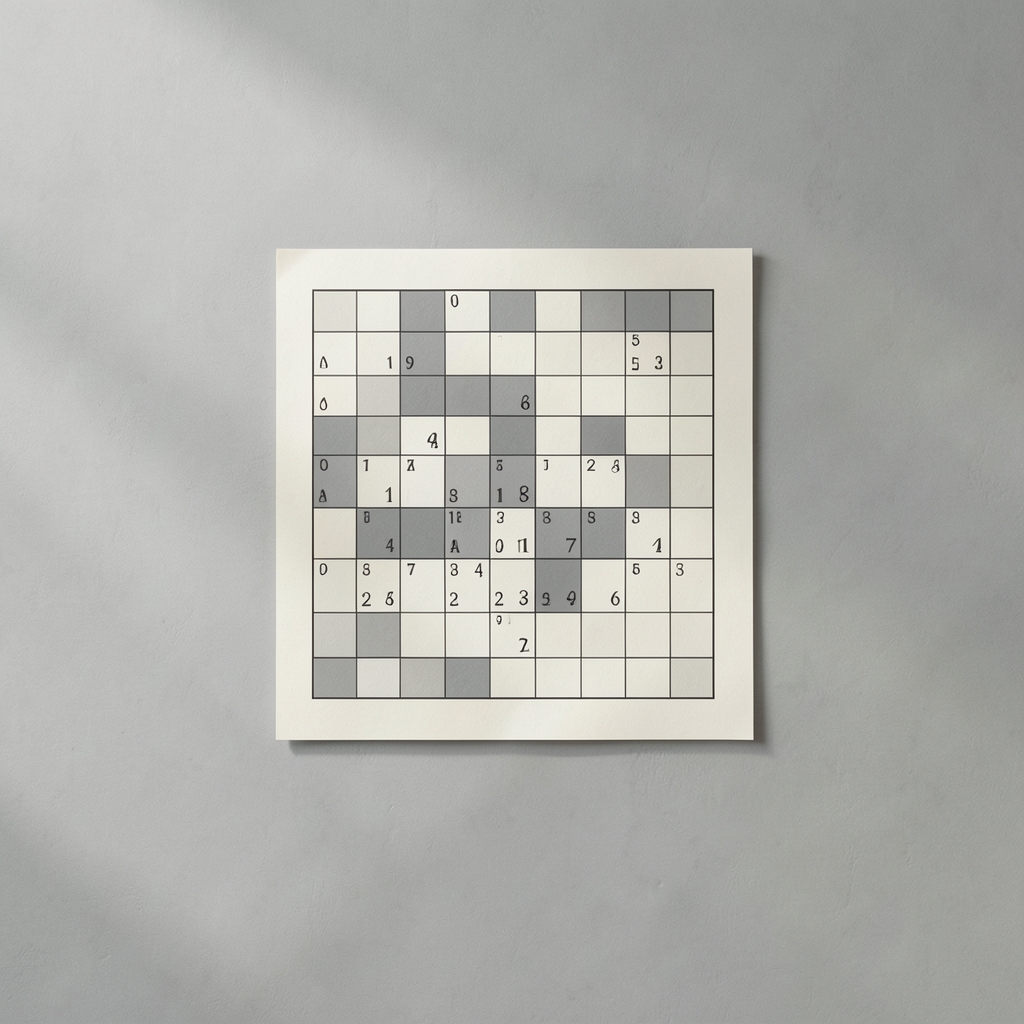
When you first look at a crossword puzzle, it might seem like a simple checkerboard of black and white squares. But that layout is anything but random — it’s carefully crafted to create the challenge ahead.
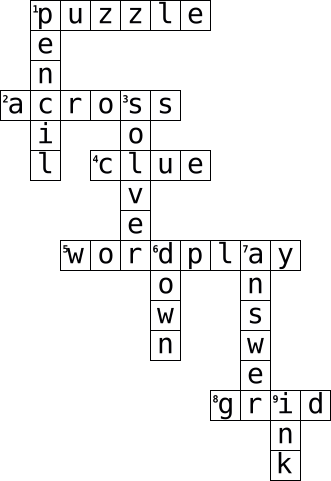
At its core, the grid divides into “across” and “down” words. Each white square isn’t just empty space; it holds part of a word that connects both horizontally and vertically. This overlapping is what makes crosswords satisfying — one answer often helps unlock another, weaving a delicate web of interlinked solutions.
The black squares act as silent guides, marking where words break and giving shape to the puzzle. They carve out entries, steering the solver through a designed path. Think of them like pauses in a melody, making the flow more interesting.
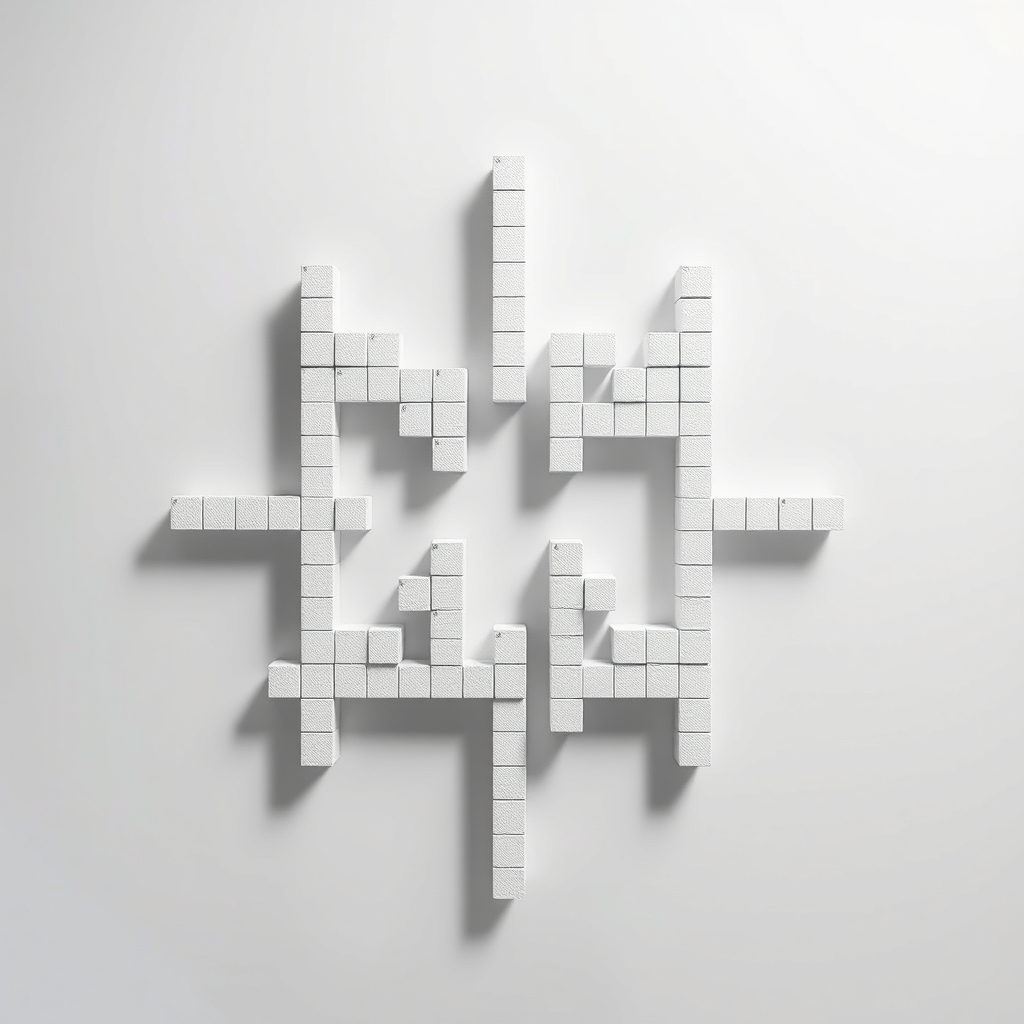
A classic feature of many standard crossword grids is 180-degree rotational symmetry. Simply put, if you flip the puzzle upside down, the pattern of black and white squares remains the same. This symmetry isn’t just for looks — it maintains balance and fairness, making sure no part of the puzzle feels off or lopsided. It’s a quiet nod to the puzzle’s heritage, a tradition that echoes through decades of crosswords.
Recognizing this structure can subtly shift how you approach solving. Once you see the grid as a delicate dance between across and down words, framed by those black squares and balanced by symmetry, the puzzle starts to breathe with clarity — inviting you in, step by step.
Decoding Crossword Clues: The Role of Wordplay
Crossword puzzles don’t just test your vocabulary—they nudge you to think sideways, too. The clues often come dressed in wordplay, which is where the fun and the challenge really kick in. You’ll encounter puns that tease your wit, anagrams that jumble the familiar, homophones that play with sound, and analogies that ask you to bridge ideas. These little twists invite you to look beyond the obvious.
So, how can you spot when a clue’s pulling your leg? Keep an eye out for certain signals—words like “oddly,” “strangely,” or phrases in quotes often hint that the clue’s not straightforward. These markers gently suggest you should read the clue more figuratively than literally. It’s like catching a wink from the puzzle’s creator.
Verb tense, too, carries weight. If a clue is in the past tense, your answer probably should be, too. A mismatch here can trip you up unnecessarily. And when a puzzle has a theme, those themed clues are your compass. Recognizing them early unveils chunks of the grid, easing your path forward.
Think of decoding clues as tuning into a puzzle’s secret language. Once you start to hear its subtle rhythm, solving becomes less about guesswork and more about quiet intuition. Take a moment, breathe in the puzzle’s flow, and gently explore where the wordplay is leading you.
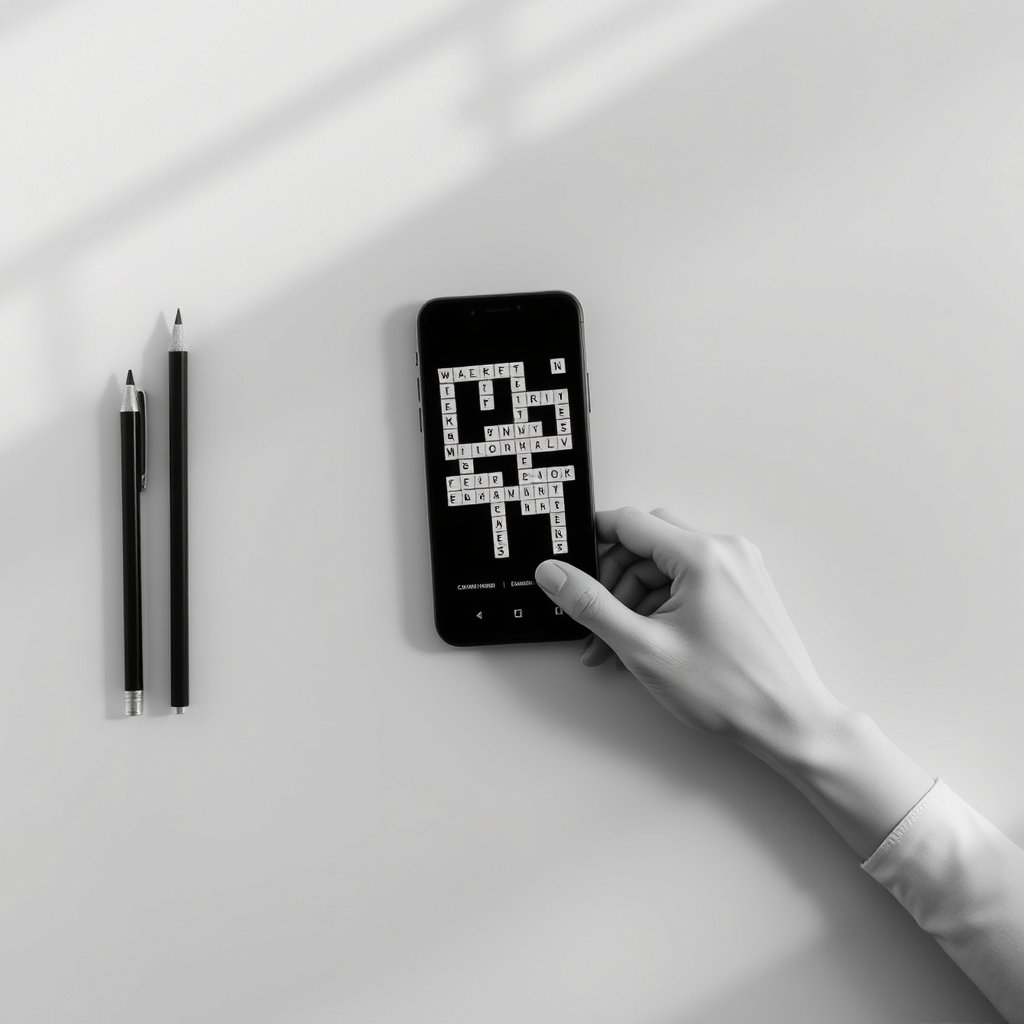
Tools and Techniques for the Solver
When it comes to tackling crossword puzzles, the right tools can make all the difference. But it doesn’t have to be complicated—sometimes, simple choices shape your whole solving experience.
Pencil vs Ink: What’s Your Style?
Many solvers lean on pencils because they offer room to change your mind without making a mess. It’s nice to sketch out an answer, then easily erase if it doesn’t fit—kind of like feeling your way in the dark until your path becomes clear. On the other hand, some enjoy the quiet commitment of ink. Writing in pen asks you to trust your instincts, accepting small mistakes as part of the journey. Whether you prefer tentative steps or bold strokes, honoring your style can keep the puzzle flow smooth and your frustration low.
Online Solvers and Apps: A Gentle Hand When You’re Stuck
There’s no harm in leaning on technology now and then. Apps and solver tools can gently nudge you past tricky clues when your mind feels stuck in a fog. By typing in the clue or plugging in known letters, you open a window to fresh possibilities. But use these helpers mindfully—the goal isn’t to hand over all the answers, but to invite insight when you need it most. Think of these tools as a soft breeze guiding your sail, not a gust that takes over the helm.
Joining Solver Communities: More Than Just Answers
Crossword solving often feels like a solo walk, but stepping into online forums or social groups can turn it into a shared stroll. Places like Reddit or Facebook groups offer a space to toss around tricky clues and swap strategies with fellow puzzle lovers. This gentle exchange can spark new ways to think and open doors to puzzles you might not encounter alone. It’s less about competition and more about the quiet joy found in collective curiosity.
With these simple tools and techniques, you hold a balanced toolkit—ready to explore, reflect, and enjoy the unfolding challenge of the crossword puzzle. Take a breath, trust your rhythm, and let each clue invite you a little deeper into the quiet delight of discovery. 🕊️
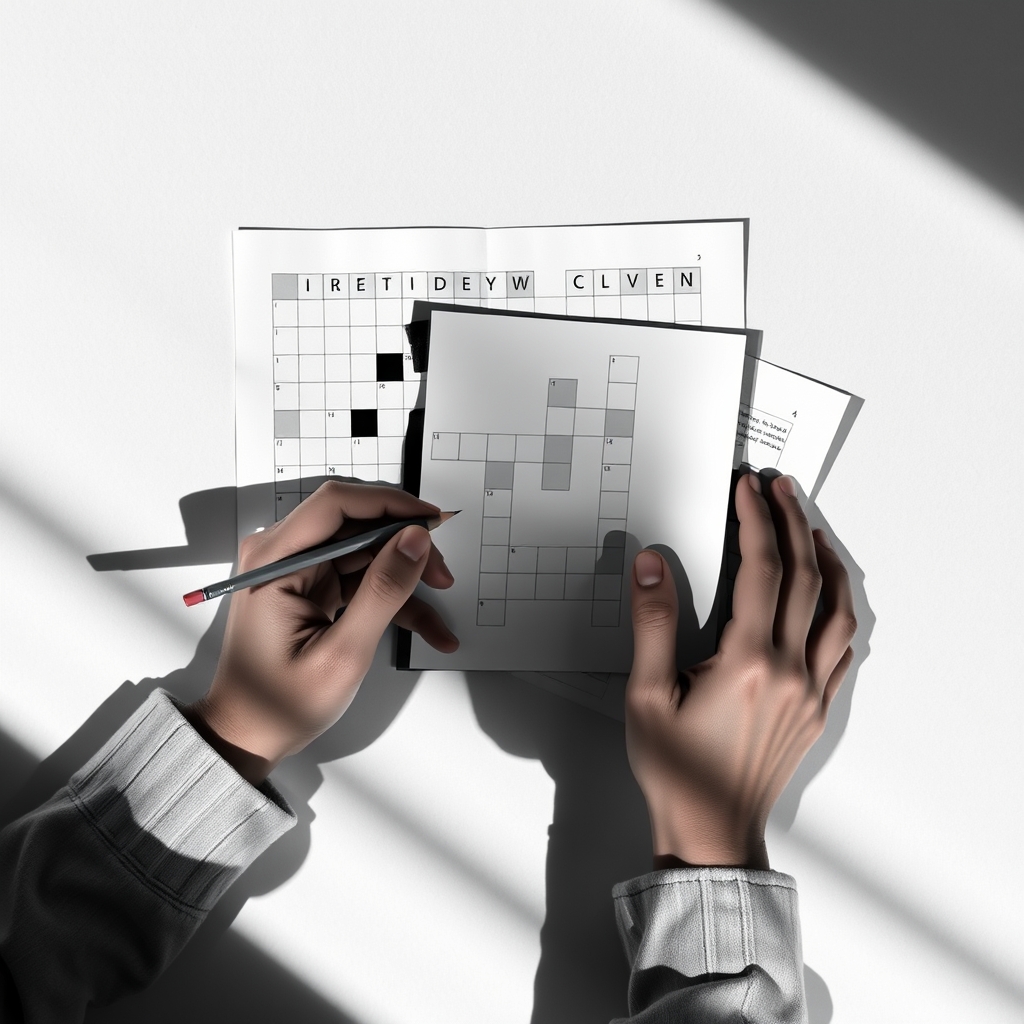
Tips for Faster and More Effective Crossword Solving
Let’s start with the basics: lean into the theme. Many puzzles have a backbone—a central idea or recurring motif. Spotting these theme clues first can unlock a big chunk of the grid right away, turning what looks like a maze into a path. Think of it like finding the key to a locked door; once it’s open, the rest feels easier.
Next, pay attention to the clues’ grammar. Verb tenses and word types aren’t just filler—they’re subtle signposts. A past tense verb in a clue points you toward a past-tense answer. Nouns, verbs, adjectives—they all have their places. Recognizing these can prevent errors that slow you down later.
Wordplay can trip you up, but once you spot the patterns, it becomes another tool in your kit. Anagrams, puns, homophones—these familiar tricks often hide in plain sight. When a clue feels off, suspect wordplay. Approach it with a playful mindset, and piece it together logically or sideways, like solving a quiet riddle.
Finally, keep your approach steady and systematic. Start with the easiest clues; filling in even a few answers gives you crossing words, confirming your guesses or leading you on. Work methodically, hopping between the across and down entries. This rhythm—moving back and forth—creates a flow that gradually fills the empty spaces.
By combining theme focus, careful grammar check, wordplay awareness, and a steady solving rhythm, your puzzle-solving can become not only faster but more fulfilling. It’s a quiet dance between logic and intuition, turning the crossword from a challenge into a moment of calm mastery.
Cognitive Benefits and Why You Should Solve Crosswords
Crossword puzzles do more than just fill time; they quietly supercharge your mind in meaningful ways. Think of them as a gentle workout for your brain, nudging it to stretch and grow with each clue you tackle.
First, your vocabulary gets a gentle boost. Each puzzle invites you to meet words both familiar and new—sometimes disguised in synonyms or subtle word twists. This variety helps you understand language more deeply, sharpening your ability to recognize nuances in everyday conversation and writing.
Next, there’s memory—the muscle behind all this mental effort. Remembering clues, cross-checking answers, and holding possibilities in your mind exercise your working memory like a training ground. Over time, this practice can enhance your focus and patience, qualities that ripple softly through other parts of your life.
Then, there’s the problem-solving spark. Crosswords nurture flexible thinking, encouraging you to spot patterns and embrace creative leaps. Solving a tricky clue isn’t just about right answers; it’s about learning to explore possibilities with patience and grace, which can translate into clearer, more agile thinking elsewhere.
All told, engaging with crossword puzzles is a quiet gift you give your mind—a moment of calm challenge that refreshes and restores without the rush. So next time you pick up a puzzle, pause and notice how it gently tunes your mind, piece by thoughtful piece.
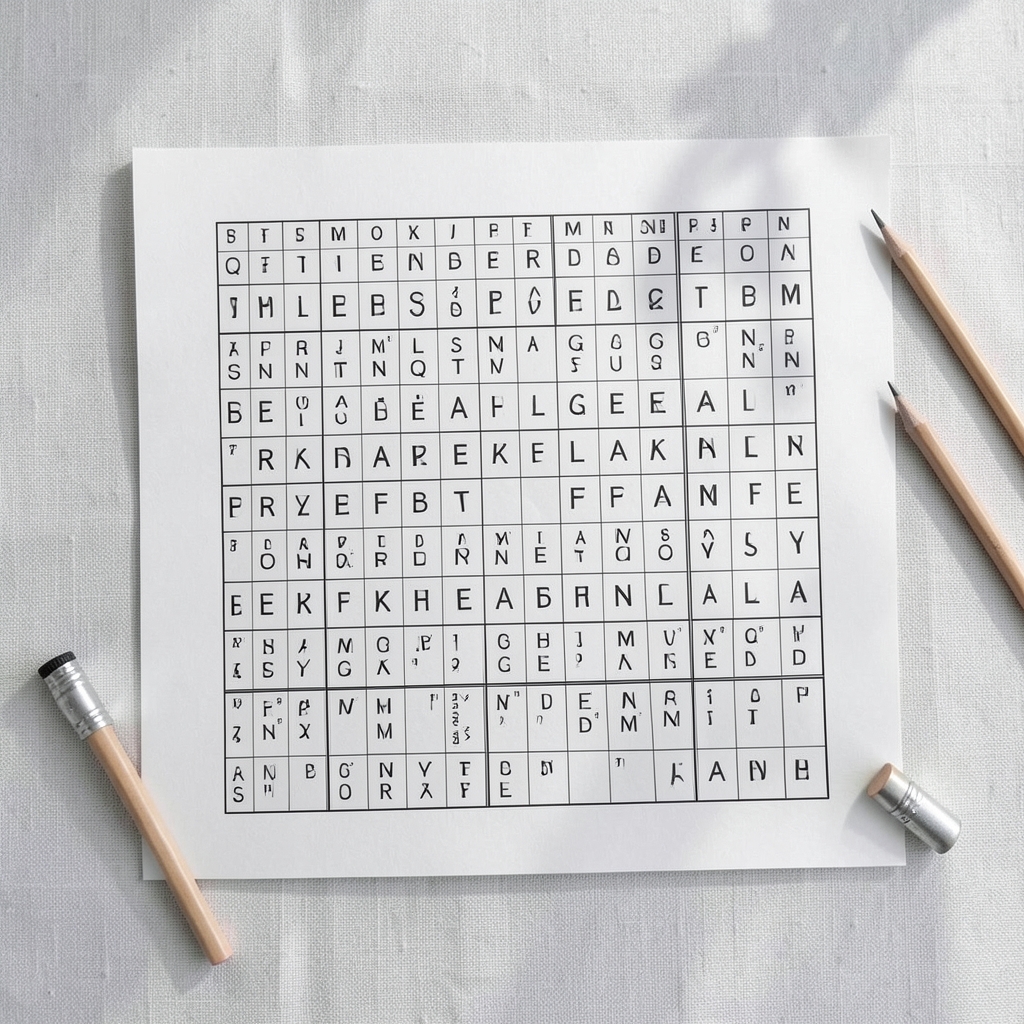
As we close this quiet chapter on mastering crossword puzzles, it’s worth pausing to gather what we’ve explored. A crossword isn’t just a grid of letters—it’s a carefully crafted space where understanding the structure helps you navigate its hidden paths. Recognizing the clever wordplay behind clues invites you to think beyond the obvious, while the choice between pencil and ink becomes a small but meaningful decision in your personal solving journey.
Tools—whether an app on your phone or a lively online community—can gently support your steps without taking over. They remind us that solving is both an individual and shared adventure, unfolding at a pace that feels just right. The rhythm of filling in squares, guided by themes and tenses, is a practice of focus and patience that sharpens your mind quietly, day by day.
Let this be an invitation to approach crossword puzzles not as a race, but as a steady, calming exercise for your brain. Each puzzle offers a moment to pause, reflect, and engage thoughtfully with language. In that gentle challenge lies lasting joy—a small ritual that enriches your daily rhythm with curiosity and calm.
If you feel called to explore further, a gentle step forward might be to visit solver websites or join a forum where questions and strategies flow like a soft current. Or simply keep a favorite crossword nearby, ready for whenever the day invites a mindful moment of discovery.
Breathe in the pace of the puzzle. Let your curiosity move softly through each clue. In that ease, you’ll find more than answers—you’ll find a peaceful sharpening of your mind and spirit. 🕊️










-
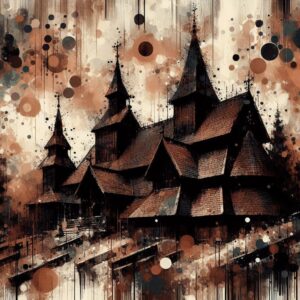 Jigsaw Puzzles
Norwegian Stave Church Abstract Jigsaw Puzzle 250 | 300 | 500 Pieces
Price range: kr 348,00 through kr 439,00 Select options This product has multiple variants. The options may be chosen on the product page -
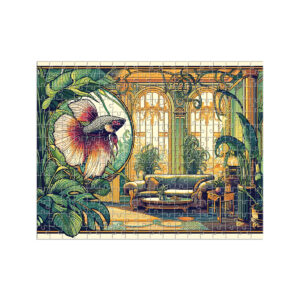 Jigsaw Puzzles
Art Nouveau Jigsaw Puzzle with Betta Fish in Lush Garden Scene 250 | 300 | 500 Pieces
Price range: kr 348,00 through kr 439,00 Select options This product has multiple variants. The options may be chosen on the product page -
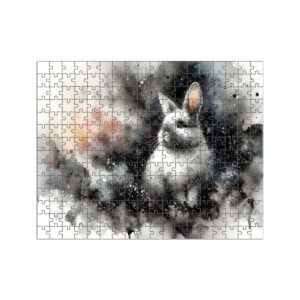 Jigsaw Puzzles
Chinese Zodiac Rabbit Jigsaw Puzzle – Ink Art Series 250 | 300 | 500 Pieces
Price range: kr 348,00 through kr 439,00 Select options This product has multiple variants. The options may be chosen on the product page