
Introduction
Crossword solving isn’t just a pastime—it’s a skill some take seriously, even professionally. Precision matters. So does strategy. You’re not just filling letters; you’re decoding patterns, balancing guesswork with certainty.
This blend of focus and flexibility sets pros apart. They rely on sharp instincts honed over years, but also on tools that evolve alongside the puzzles. Paper and pencil remain anchors, even as apps and online dictionaries become part of the process.
The goal here is simple: master the grid with calm clarity. No fluff, no distractions—just the essentials to help you solve smarter, faster, and with quiet confidence.
Essential Tools for Professional Solvers
When it comes to solving crosswords like a pro, the tools you choose matter more than you might think. At the heart of it all is the humble pencil. Why? Because it lets you explore without fear. Mistakes are part of the process, and pencils erase those missteps effortlessly.
Most professional solvers lean toward mechanical pencils. They offer consistent precision and don’t need sharpening mid-puzzle—a small but essential convenience. The Pentel Twist-Erase III, for example, remains a favorite in 2026. It strikes a balance: comfortable grip, fine lead, and a built-in eraser that’s ready when you need it.
Now, pencil lead can break, especially under pressure. Instead of fumbling, keep a backup lead handy. This simple habit keeps your flow steady. When a break happens, swap it out quickly and keep moving.
Erasers are not just an afterthought. A good eraser works cleanly, leaving the paper intact. Nothing disrupts your focus like messy smudges or torn pages. Quality erasers make your corrections smooth — an overlooked but critical detail.
Then there’s the pen versus pencil debate. Pencil wins for most, thanks to its flexibility. Yet some solvers prefer pens, seeing them as a commitment to every answer, sharpening their focus. Regardless of your choice, what counts is what helps you work best. For most, though, the pencil’s ability to adapt keeps the solving process fluid and forgiving, turning every crossword into a quiet exercise in revision and discovery.
Understanding the Crossword Grid
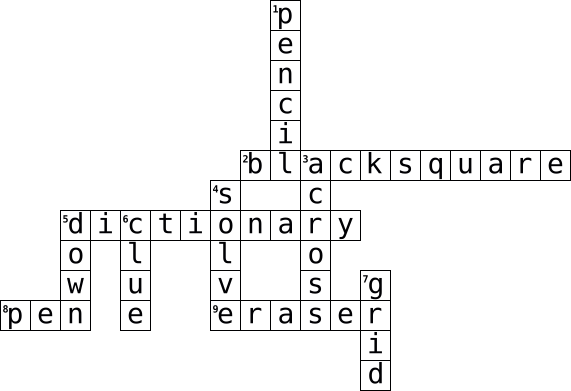
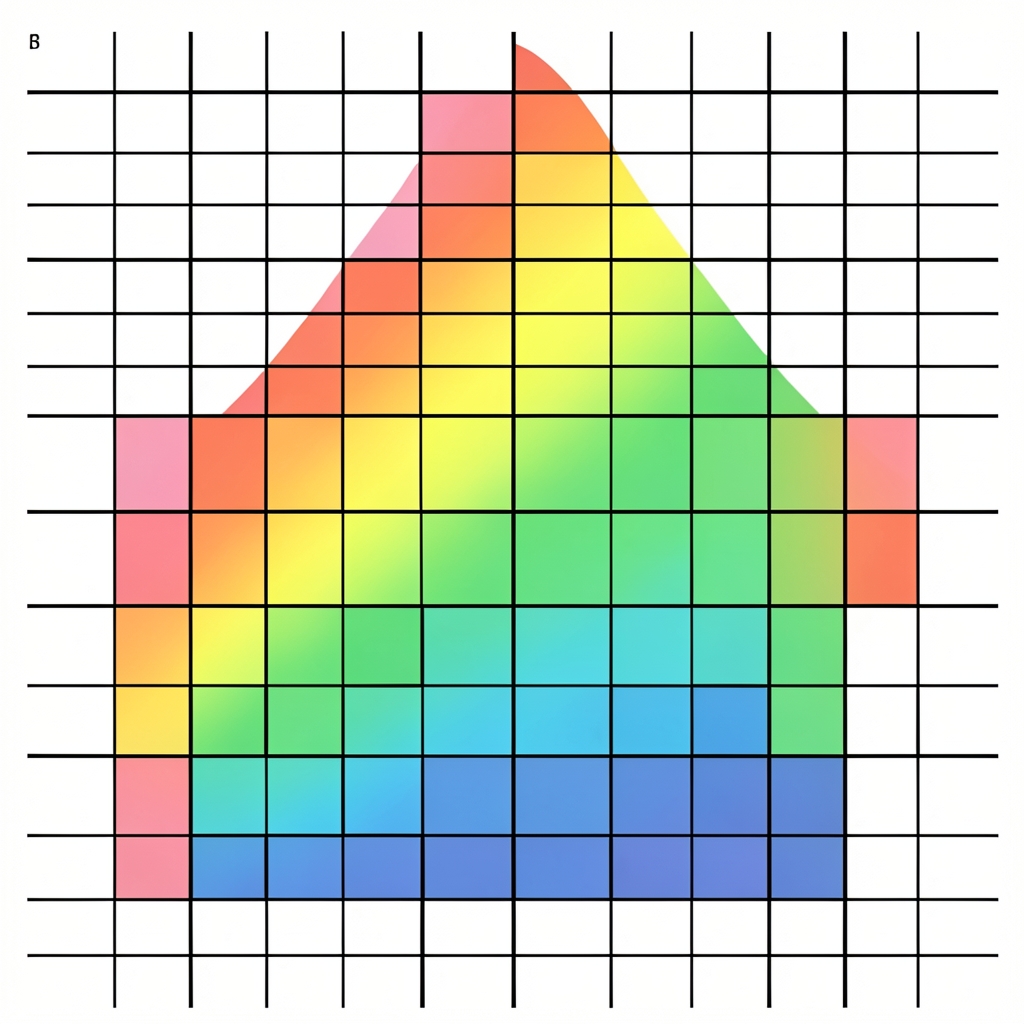
Black squares aren’t there by accident. They’re the backbone of the puzzle’s structure, carefully placed to shape how the words fit and flow. Most constructors aim for symmetry—if there’s a black square in the top left, you’ll often find a matching one in the bottom right. This balance isn’t just for looks; it guides the solver’s eye and sets the puzzle’s rhythm.
Strategic black square placement controls difficulty. More black squares break the grid into shorter words, which can make the puzzle easier but less elegant. Fewer black squares mean longer words, which ramp up the challenge and demand a richer vocabulary. Each black square is a deliberate pause, giving the solver a breather or a tricky twist.
Pay attention to how these black squares carve up the grid. They’re cues for how words connect and where your focus should be. Recognizing this structure helps you anticipate word length and possible letter patterns, sharpening your solving strategy from the start.
Leveraging Dictionaries and Reference Materials
A strong vocabulary is your secret weapon. Even the best solvers hit walls with tricky clues. That’s where dictionaries come in—not just any dictionaries, but ones tailored for crossword enthusiasts.
Traditional crossword dictionaries serve as solid anchors. They focus on common crossword answers, obscure word forms, and unusual spellings. Having one at hand helps you quickly confirm possibilities, especially when a crossing word isn’t cooperating. For example, knowing every acceptable abbreviation or variant of a word can cut down wasted guesses.
Digital resources add a new layer of support without replacing the basics. Apps and online databases let you search by pattern—meaning you can plug in known letters and get suggestions. This speeds up decoding difficult terms without flipping through pages.
But here’s the balance: rely on these tools to guide, not carry you. Keep training your mind by frequently trying to solve puzzles with minimal reference use. That way, your skill grows steadily instead of becoming dependent on quick lookups.
Start with trusted guides like “The Crossword Dictionary” by United States Puzzle Championship winner Timothy Parker. For online support, sites like OneLook or Crossword Solver offer handy pattern searches.
Integrate dictionaries as part of your routine. Pull them out when stumped, then push yourself to recall and apply what you’ve learned. Over time, this measured use strengthens your vocabulary and sharpens your problem-solving instincts—key ingredients for mastering any grid.
Balancing Traditional Skills with Digital Aids
Crossword solving isn’t what it used to be. In 2026, it’s a blend of old and new — paper grids meet smart tech. Digital tools can help decode tricky clues and spot patterns faster. But they’re just that: tools. Not crutches.
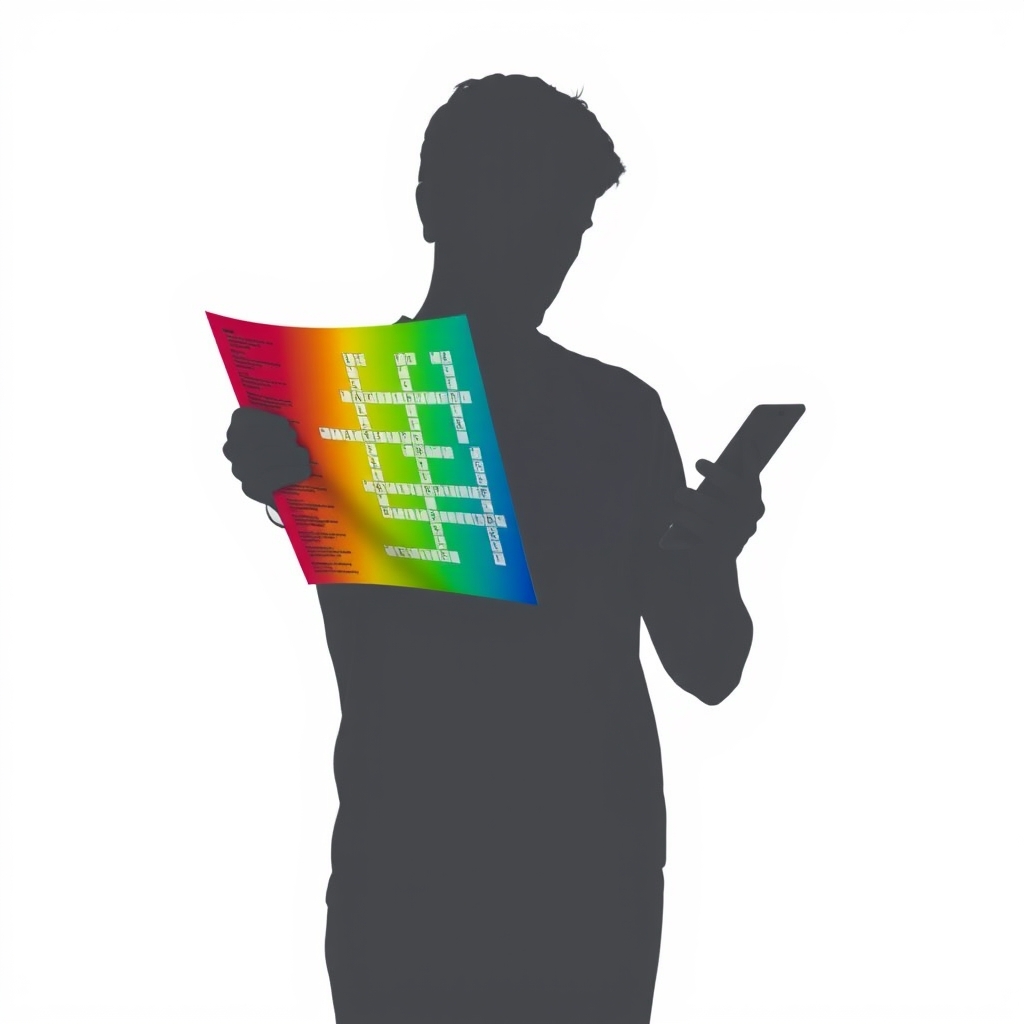
Modern solvers often toggle between a printed puzzle and an app. The app might offer hint systems or highlight possible word fits. This speeds up solving and can make tough puzzles less frustrating. Still, grounding yourself in traditional skills is key. Knowing how to work the grid by instinct, rely on your vocabulary, and trust your pencil strokes keeps your solving sharp.
Use digital aids intentionally. For example, turn to a pattern recognition app only when a clue stalls you, not all the time. Avoid the temptation to jump straight to hints. The satisfaction, and skill, comes from wrestling a puzzle without shortcuts.
The balance lies in respect. Respect the craft, respect your brain, and respect the tools. Blend tech with tradition thoughtfully — and you’ll master the grid without losing what makes solving a meaningful challenge.

Expert Tips and Techniques for Mastery
Get comfortable with your pencil and eraser—they’re your best allies. Start with a light pencil stroke. This keeps your options open, making it easier to adjust answers without a mess. Use your eraser wisely; it’s not just for mistakes but for exploring possibilities. When a clue stumps you, jot down tentative answers lightly and circle back after filling in easier ones. This approach saves time and reduces frustration.
Competitive solving is as much about speed as accuracy. Don’t rush blindly. Instead, develop a rhythm—scan clues for low-hanging fruit first, then tackle the tougher ones. If you’re stuck, switch directions: sometimes solving a few down clues unlocks across answers. Keep your workspace clear and your mind focused. Even a five-minute distraction can break your flow.
Many pros swear by their favorite tools. Some prefer softer pencil leads for darker lines, others choose a finer point for precision. Don’t hesitate to experiment until you find what suits you. Beyond tools, stay curious. When a new word or theme stumps you, look it up and remember it for next time. This builds your personal crossword vocabulary over time.
Lastly, balance is key. Embrace digital aids like apps for practice or pattern recognition but resist leaning on them too much. The real skill lies in your ability to think through puzzles unaided. Invest in quality pencils, nurture your vocabulary, and practice regularly. Mastery comes quietly, one thoughtful solve at a time.







-
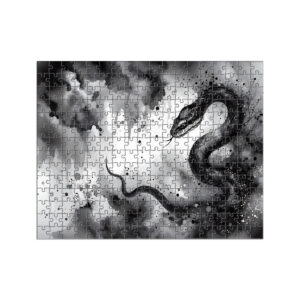 Jigsaw Puzzles
Chinese Zodiac Serpent Watercolor Jigsaw Puzzle 250 | 300 | 500 Pieces
Price range: kr 348,00 through kr 439,00 Select options This product has multiple variants. The options may be chosen on the product page -
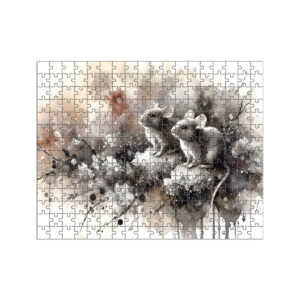 Jigsaw Puzzles
Twelve Zodiac Mice Ink Wash Jigsaw Puzzle 250 | 300 | 500 Pieces
Price range: kr 348,00 through kr 439,00 Select options This product has multiple variants. The options may be chosen on the product page -
 Jigsaw Puzzles
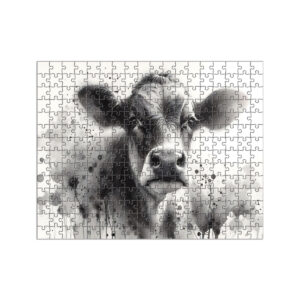
Twelve Zodiac Cow Ink Wash Jigsaw Puzzle 250 | 300 | 500 Pieces
Price range: kr 348,00 through kr 439,00 Select options This product has multiple variants. The options may be chosen on the product page