

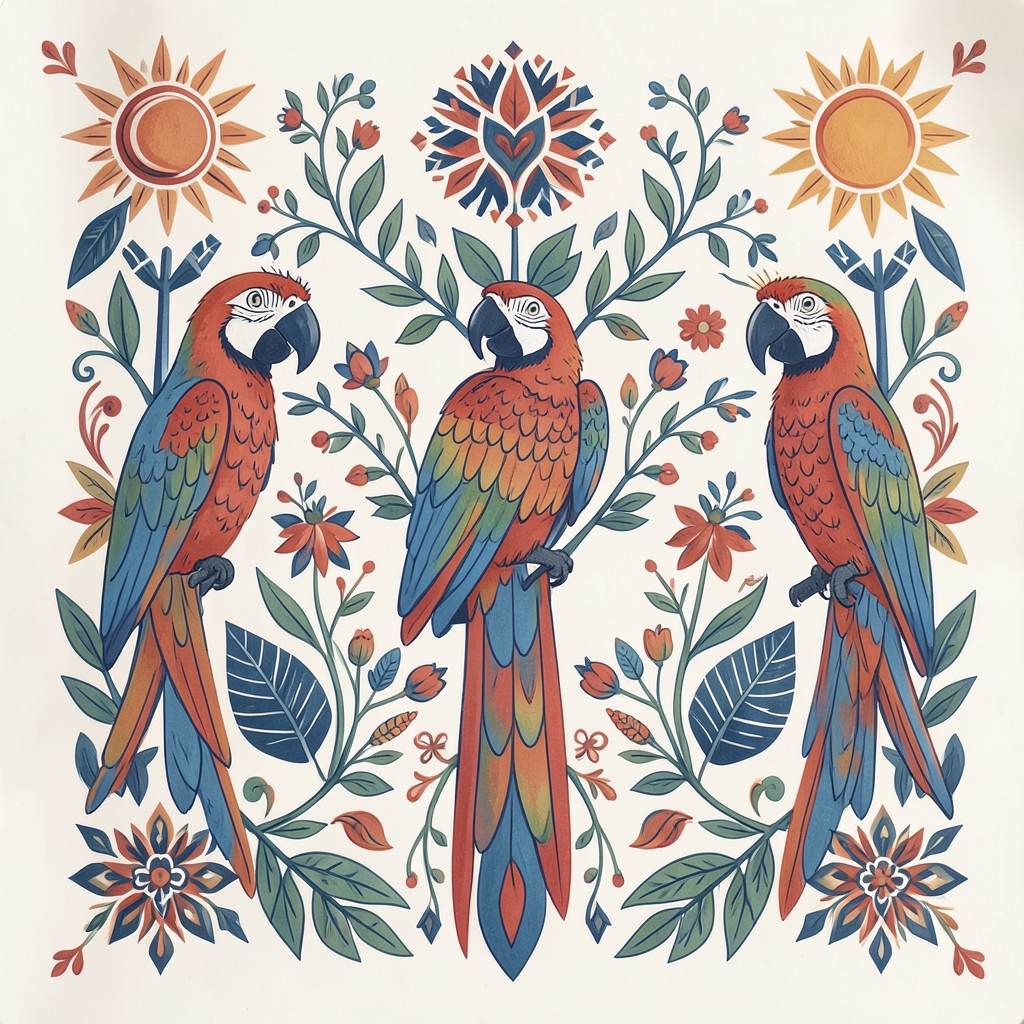
There’s something quietly captivating about parrots—their bright feathers catching the sunlight, their curious eyes always watching, always learning. At their heart, parrots are more than just colorful birds; they’re clever, social creatures woven deeply into the fabric of nature and human stories alike.
Parrots belong to the order Psittaciformes, a diverse family of birds known for strong, curved beaks and zygodactyl feet—two toes facing forward, two backward—which help them grip branches and handle food with surprising dexterity. These traits may seem small, but they’re the tools that let parrots explore their world with both grace and grit.
From the rainforests of South America to the dry outback of Australia, parrots fill woodlands and skies with their chatter, mimicry, and unmistakable presence. They’re as much a part of the natural landscape as rustling leaves or the hum of bees. And if you listen closely, their calls often carry echoes of ancient conversations—stories passed down through generations in tribal tales, folklore, and the shared moments of human and bird.
In human culture, parrots have been companions and symbols for centuries. Their ability to mimic speech has both amused and amazed, sparking wonder and deep curiosity about animal intelligence. Beyond the pet store, parrots remind us of a simpler time—the quiet rhythms of rural life, the joy in watching a wild bird’s dance, and the comfort of connection to the natural world.
But not all parrots are the same. Their family branches wide and wild, with over 390 species boasting an astonishing array of sizes, colors, and quirks. From the giant, bold macaws to the tiny but fierce budgerigar, each species carries its own unique traits, stories, and clever tricks.
This article invites you to step into that vibrant world and meet ten remarkable parrots. We’ll uncover the curious habits, dazzling appearances, and surprising intelligence that make these birds more than just feathered friends—they’re living stories of survival, partnership, and timeless wild magic. So settle in, take a slow breath, and let’s discover the wonderful secrets of parrots together.
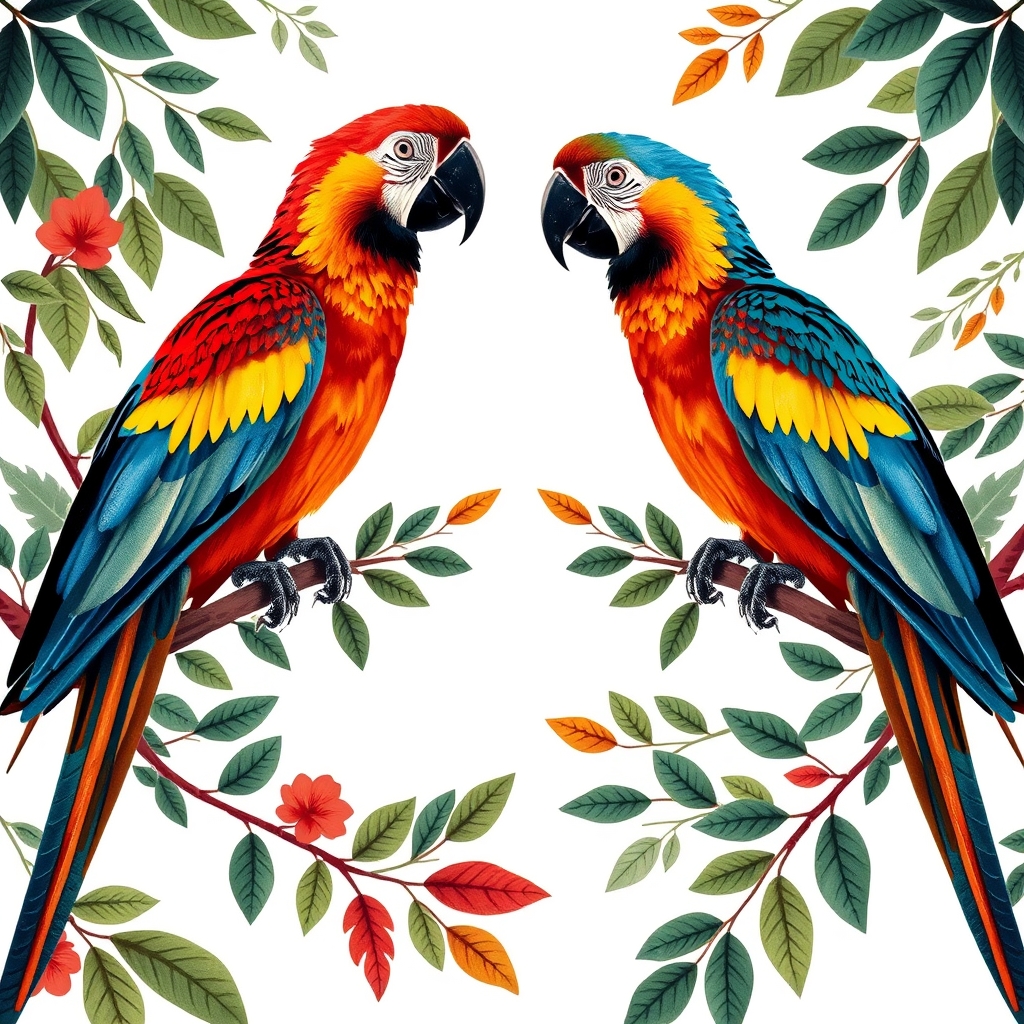
1. Macaw: The Giant and Colorful Parrot
Picture a splash of the rainforest caught in feathers: that’s the macaw. These grand birds stretch up to three feet from the curve of their strong beaks to the tips of their long tails, wearing coats of red, blue, green, and gold that seem almost too bright to be real. Their presence is impossible to miss, whether soaring above the canopy or chatting in lively flocks beneath the trees.
Macaws aren’t just about showy looks—they carry wisdom in their wings. Some can live as long as a lifetime spent beside a good friend, sometimes close to 90 years if the skies and care allow. Their intelligence is remarkable, too. In the wild, they navigate complex social bonds with calls and gestures that hint at deep connections. In captivity, they surprise us with puzzles solved and tricks learned, proving that their bright minds match their colorful plumage.
Holding a macaw story feels like holding a piece of the jungle’s heart. Their voices echo centuries of forest secrets, reminding us to listen a little closer to the wild world. For those curious to dive deeper, Vallarta Adventures offers a treasure trove of insights on these magnificent birds.
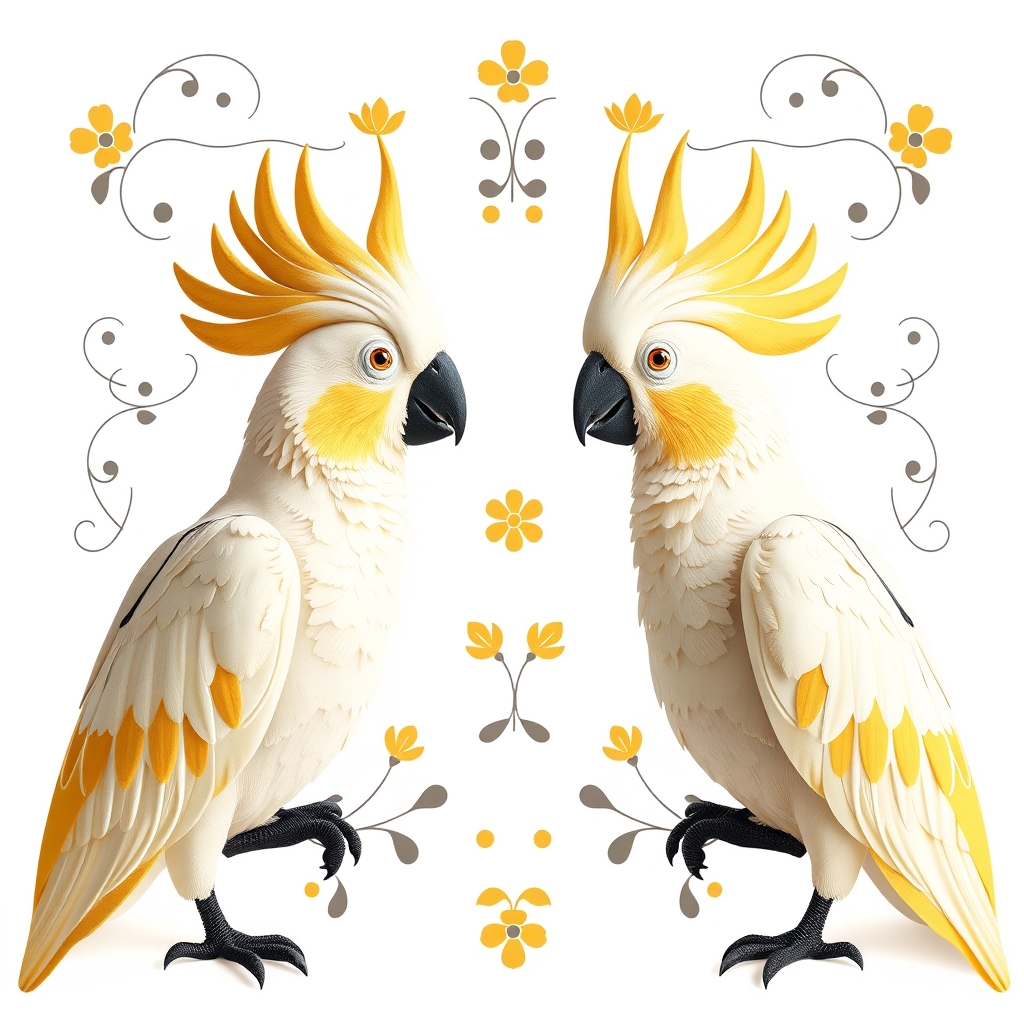
2. Cockatoo: The Intelligent and Unique Performer
There’s something about a cockatoo that pulls you in right away—maybe it’s the way their feathery crests rise and fall like a gentle wave, or how their expressive eyes seem to catch every little thing. These lively birds have a knack for surprising us with their clever antics and affectionate nature.
Take their unique behaviors, for instance. Some cockatoos have been known to recognize and even “read” basic words, not just mimic sounds like a parrot might, but actually connect those sounds to meaning. It’s like they’re little language students, picking up on the rhythms and shapes of human speech in ways that make you pause and smile. They’re also famously social, forming strong bonds not only with other cockatoos but sometimes with entirely different animals—dogs, cats, even humans. Their curiosity and boldness often lead to unexpected friendships where feathers and fur mingle seamlessly.
Their cognitive and social traits run deep. Cockatoos are genuine emotional beings—playful, sometimes mischievous, but always eager for interaction. They can imitate complex vocalizations and appear to understand when a play session is on the cards or when it’s time for cuddles. Observing them, you get the sense that they’re fully tuned in to the feelings of those around them, a rare glimpse of emotional intelligence wrapped in bright plumage.
Research backs this up, too. Studies, like the one from Northeastern University, have shown that cockatoos don’t just chatter—they communicate with intention, displaying problem-solving skills that rival some primates. It’s a wild and wonderful reminder that these birds carry a spark of something much bigger than just the joy of flight or the beauty of their colors.
If you ever find yourself sharing a quiet moment with a cockatoo, listening to its soft whistles or watching those expressive eyes, you’re in the company of one of nature’s most delightful performers—witty, warm, and endlessly surprising.
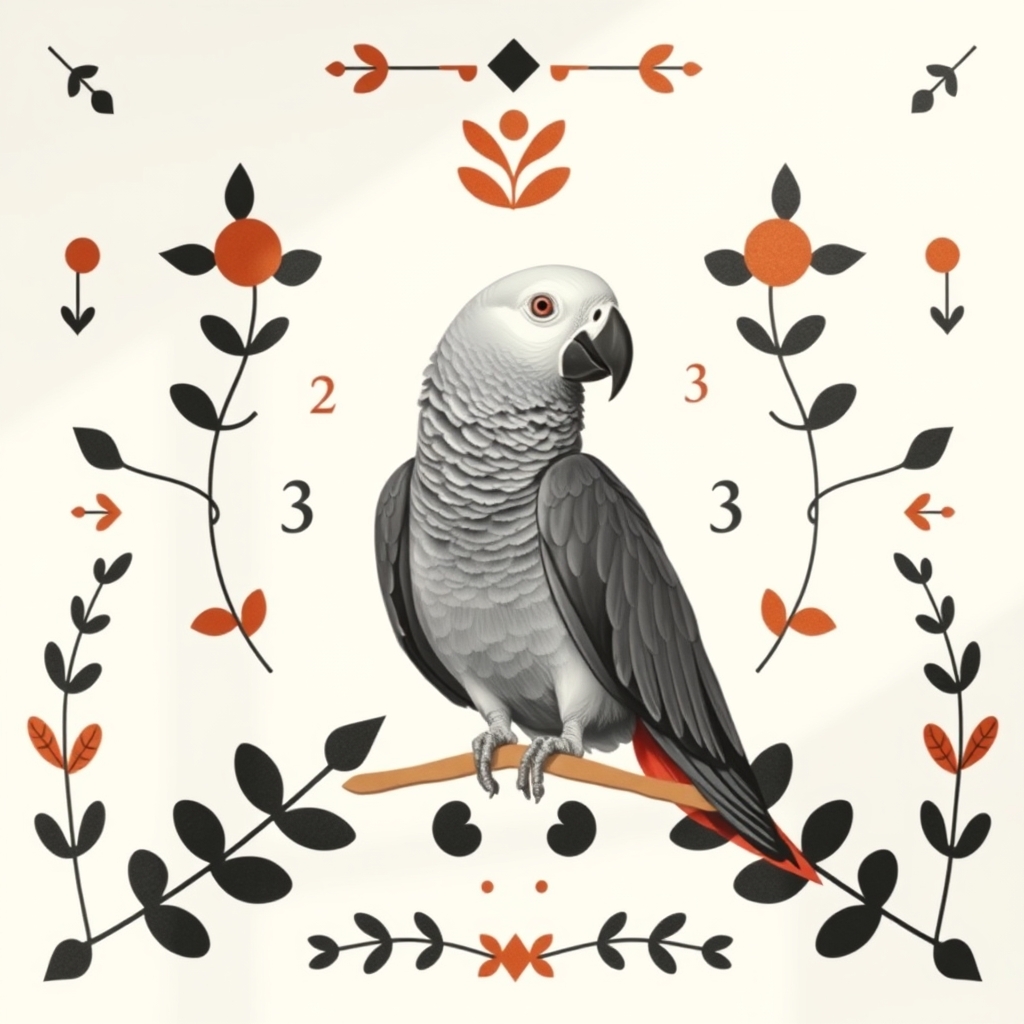
3. African Grey: The Genius of the Parrots
If brains were feathers, the African Grey would surely wear the brightest plume. Known far and wide as the Einstein of the parrot world, these birds boast intelligence that’s nothing short of remarkable—on par with a five- or six-year-old child. But don’t let their quiet, ash-gray appearance fool you; beneath that modest exterior lies a mind bustling with curiosity and problem-solving skill.
Watching an African Grey tackle puzzles is like witnessing a thoughtful neighbor mulling over a tricky project on a crisp afternoon. They can count, recognize shapes, and even grasp abstract concepts—a rare feat in the animal kingdom. Their cognitive prowess isn’t just talk; studies reveal their ability to categorize objects and use words with surprising context, not just mimicry.
Communication is where these birds truly shine. Their mimicry is more than parroting back sounds—they understand what they’re saying. Imagine having a friend who not only repeats what you say but also joins the conversation with relevant responses. That’s the daily dance with an African Grey. Biologists have spent years peeling back the layers of their language skills, fascinated by how these feathered geniuses bridge the gap between instinct and intellect.
In the quiet companionship of an African Grey, there’s a gentle reminder that intelligence comes in many forms, and sometimes it arrives wrapped in feathers with a knowing eye and a clever squawk.
For a deeper dive into their remarkable minds, you might enjoy the insights shared by biologists at Forbes: Meet the Bird That Can Count Out Loud.
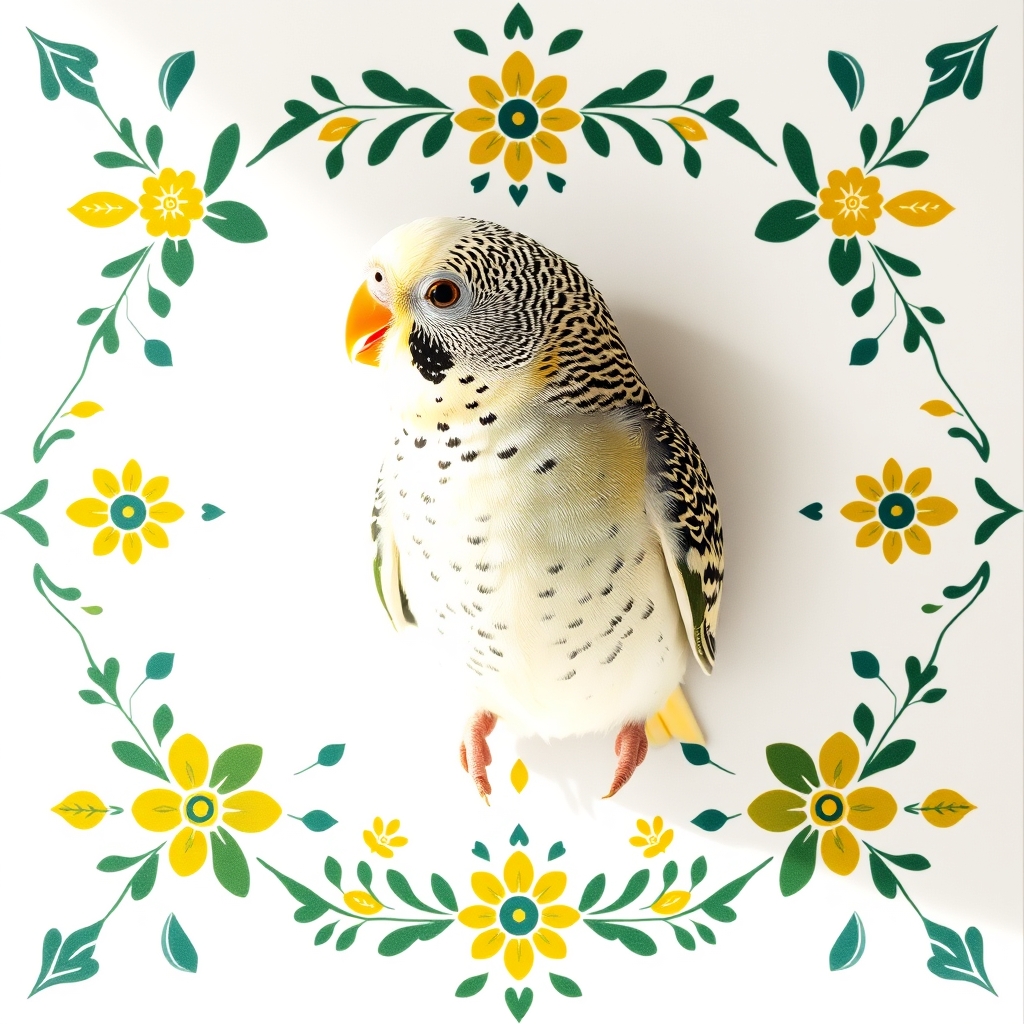
4. Budgerigar: The Small but Mighty Parrot
There’s something quietly charming about the budgerigar, or “budgie” as folks fondly call it — a parrot that fits snugly in the palm of your hand but carries a whole world inside. These little birds, not much longer than your finger, flaunt a palette of bright greens, blues, yellows, and whites that catch the sunlight just right, reminding you of fresh spring meadows under open skies.
Budgies have been companions to humans for generations, their popularity spreading from the airy bushlands of Australia to homes across the globe. Their small size makes them perfect for cozy spaces, yet they bring a lively spark, chirping and flitting about with a spirited energy that’s contagious.
Social creatures at heart, budgerigars thrive in flocks, sharing songs and sounds like neighbors swapping stories over a garden fence. They have a knack for picking up simple words and phrases, their mimicry a gentle echo of human voices. Watching a budgie master a new sound is like seeing a child learn their first words — full of wonder and warmth.
Beyond their chatter and bright feathers, budgies have played a vital role in aviculture, shaping how we understand and care for parrots worldwide. They remind us that even the smallest voices can carry great joy, and that tenderness often comes in petite, fluttering packages. So next time you hear that cheerful trill, pause a moment — it’s nature’s humble invitation to smile and connect.
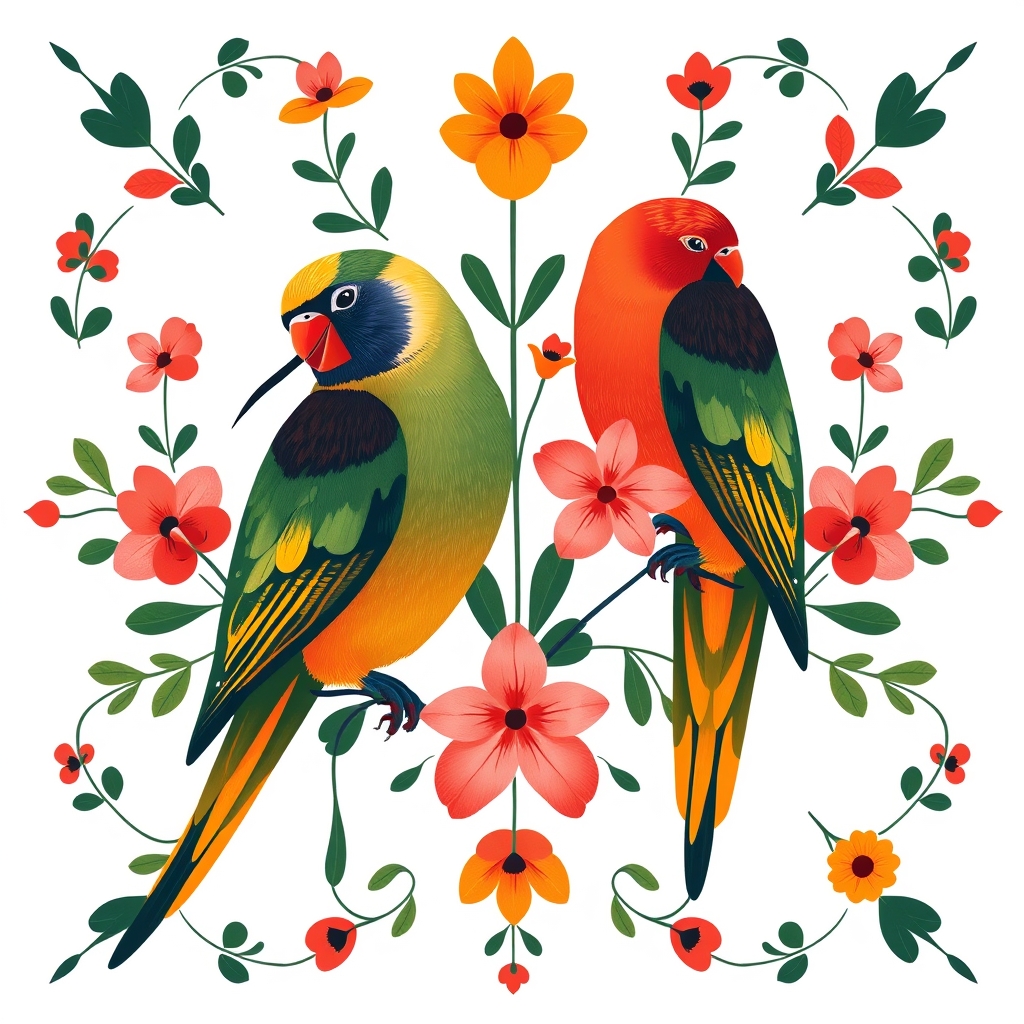
5. Lorikeet: The Vibrant Nectar Lover
There’s something about a lorikeet that feels like a splash of sunshine on a spring morning. These little birds zip through flowering trees, their feathers a brushstroke of green, blue, and red, alive with energy and purpose. Nestled in the woodlands and rainforests of Australia and parts of Southeast Asia, lorikeets have found their sweet spot—literally—in the nectar and pollen they feast upon.
Unlike many parrots who prefer seeds or nuts, lorikeets have a specially adapted tongue tipped with tiny, brush-like filaments that help them sip nectar from blossoms. It’s as if nature gave them a tiny paintbrush, perfect for gathering the sugary reward hidden deep inside each flower. This little tool not only fills their bellies but also makes them crucial players in their ecosystems, spreading pollen as they flit from bloom to bloom, keeping the cycle of life humming along.
Lorikeets don’t just keep to themselves either. They’re social creatures, often seen flocking in noisy, joyful groups. Their calls have a bright, musical quality—more like laughter than a bird’s cry—that fills the air and invites others to join the party. Watching a flock of lorikeets move together is like seeing a living tapestry in motion, each bird a flicker of color against the green backdrop.
It’s this blend of practicality and beauty, the way lorikeets have carved their niche in both nature’s rhythm and the visual landscape, that makes them such a marvel. They remind us that sometimes, the sweetest life is found in the simplest things—a flower’s nectar, a sunny perch, and the company of friends. For anyone lucky enough to catch a glimpse of these gems, it’s a reminder to slow down, breathe in the colors, and savor the small wonders buzzing all around us.
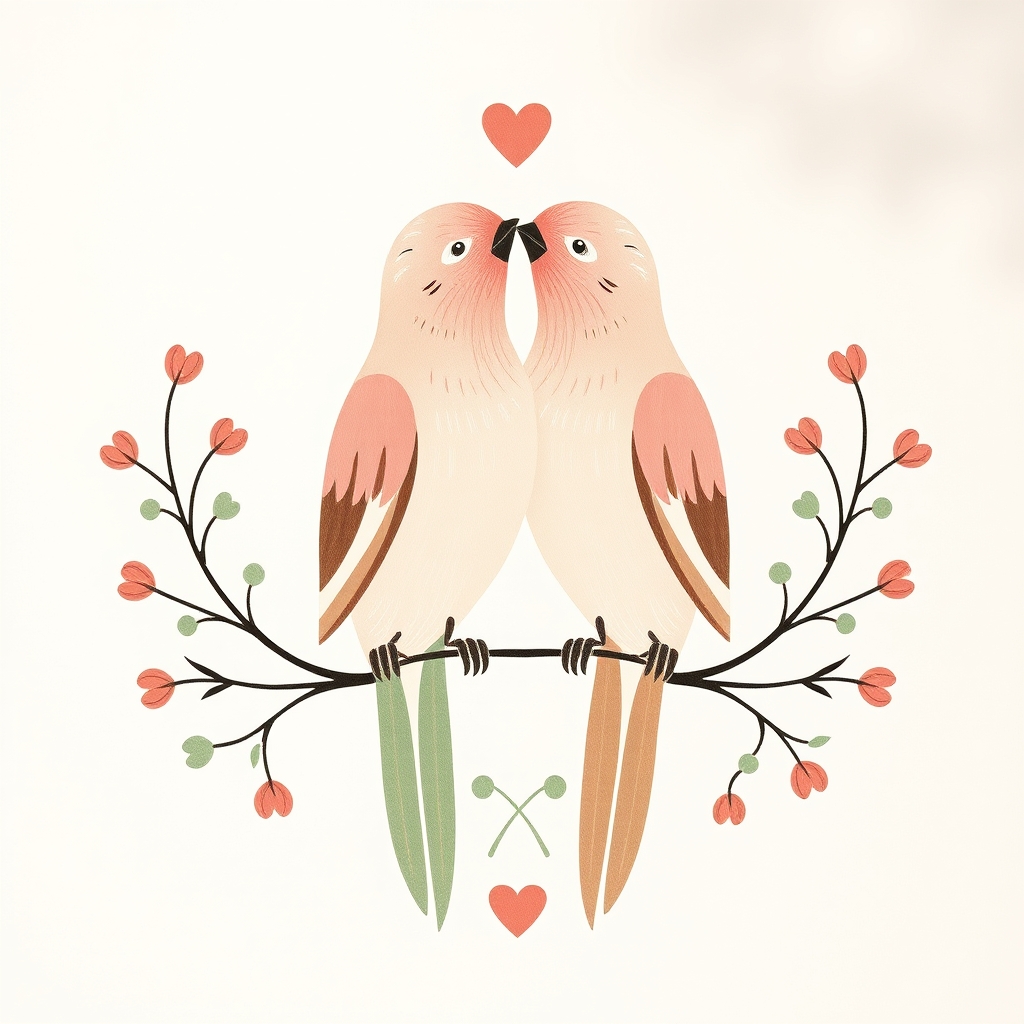
6. Lovebird: The Symbol of Devotion
There’s something quietly stirring about watching lovebirds, those small, bright-feathered bundles of affection who seem to carry the very spirit of devotion on their wings. These little parrots are rare gems in the bird world because they mate for life—a bond that runs deeper than just companionship. Picture two birds nestled close, sharing gentle preening sessions, their soft beaks working like tiny hands smoothing feathers, a tender language of trust and care.
Lovebirds are native to the dry savannas and wooded edges of Africa, places where the sun-baked earth meets stretches of green—a humble, unpretentious home. Over time, some populations found their way to the deserts of Arizona, adapting and thriving with that same resilient spirit. It’s a reminder that lovebirds carry with them a legacy of strength in togetherness, no matter where life plants them.
What makes their bond truly special isn’t just the match-it-for-life idea but the everyday rituals they perform. Mutual grooming, feeding one another, and synchronized movements all tell a story of partnership—a dance of quiet commitment you almost want to slow down and learn from. Behavioral studies have shown that disturbances to these pairs cause real stress, proof that lovebirds aren’t just symbols—they live their devotion.
If you ever catch the soft chirps and curious head tilts exchanged between a pair, it’s like witnessing a conversation hundreds of years old, one that whispers about loyalty, companionship, and nature’s way of teaching us what it means to stick together through thick and thin.
For those who marvel at these birds, there’s more than just their colorful feathers to admire. Lovebirds invite us into a humble classroom of closeness and care, urging us to slow down, notice the tiny acts of kindness that build lasting bonds, and maybe, just maybe, carry a bit of that devotion into our own lives.
Read more about their enchanting relationships here: The Standard Lovebirds Article.
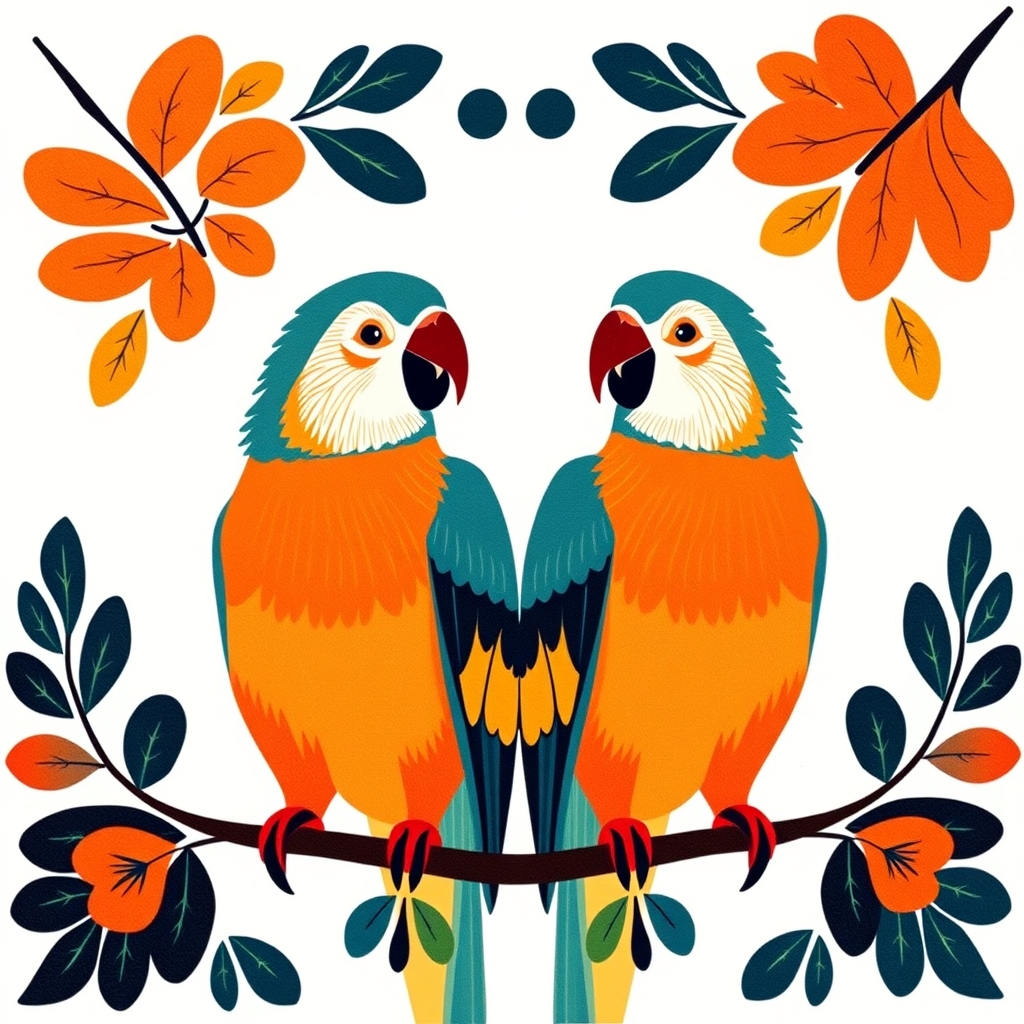
7. Amazon Parrot: The Therapy Companion
There’s something quietly magical about the way Amazon parrots connect with people. Picture this: a sunlit room, soft chatter, and the cheerful squawks of an Amazon parrot joining the conversation like an old friend pulling up a chair. These birds aren’t just colorful companions; they’re natural therapists in feathers.
Amazon parrots have a knack for forming strong bonds with their human friends. They’re lively, engaging, and seem to understand the unspoken moods in a room—the way a good neighbor senses when you need company. Their loud, clear vocalizations and impressive mimicry skills add a layer of joy and interaction that feels deeply personal. Imagine the delight in hearing your parrot echo your laugh or repeat a favorite phrase just when you need a little lift.
What truly sets Amazon parrots apart is their role in animal-assisted therapy. In nursing homes, hospitals, and therapy centers, these spirited creatures offer comfort and connection that transcend words. Their presence invites calm, stirs smiles, and gently encourages participation, making them wonderful partners in healing and companionship. Watching an Amazon parrot engage in therapy sessions is like witnessing a little ray of sunshine—full of warmth, intelligence, and heart.
So when you hear an Amazon parrot’s lively chatter, know that you’re hearing more than sounds—you’re experiencing a heartfelt dialogue between species, one that reminds us how deeply connected life can be. Their colorful feathers might draw the eye, but it’s their soulful nature that truly makes them irreplaceable friends.
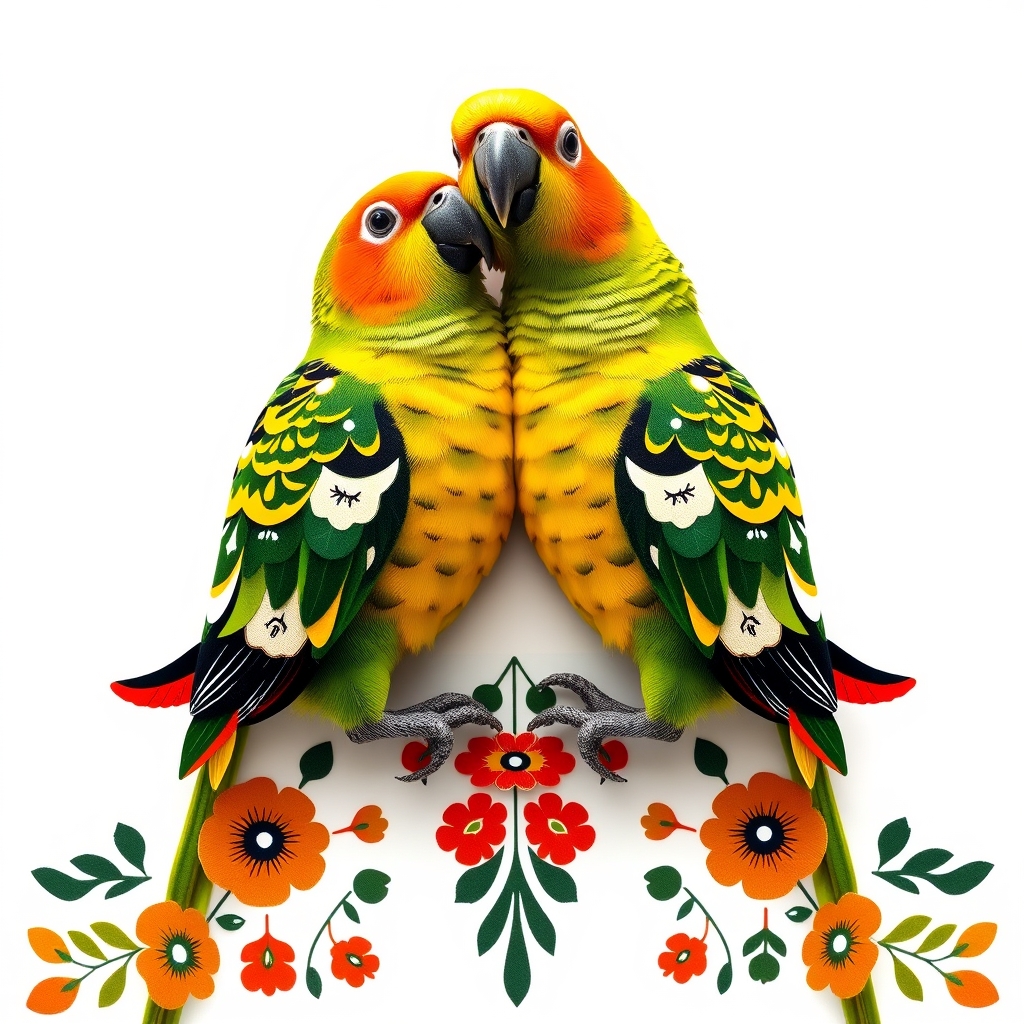
8. Conure: The Playful and Social Parrot
Imagine a sunny afternoon on a front porch, where laughter bubbles up from a small, brightly colored parrot darting between outstretched fingers and cozy nooks. That’s the spirit of the conure—a lively, affectionate companion that brings a splash of joy wherever it goes.
Conures are medium-sized parrots, often cloaked in feathers as vibrant as a summer garden. Whether it’s the fiery red of a sun conure or the deep greens with flashes of blue on a green cheek conure, their colors seem to hum with energy. But it’s not just their plumage that catches the eye—it’s their personality. These birds are spirited socialites, thriving in lively company. They don’t just want to be near you; they crave connection, often forming strong bonds that feel less like pet and owner and more like friendship forged on sunny afternoons.
Their playful streak is legendary. Conures delight in chasing small toys, playing gentle games of peekaboo, and mimicking sounds with mischievous flair. They have an uncanny knack for knowing when you need a laugh or a little feathered company. It’s this affectionate temper that has made them popular not just as pets but increasingly as gentle therapy birds. Together with Amazon parrots, conures have found their way into healing spaces, where their cheerful nature helps ease stress and bring smiles.
Beyond their social charm, conures carry wisdom wrapped in feathers—they remind us that companionship, joy, and a little playful mischief are gifts worth savoring, whether in a sunlit aviary or a quiet corner of your home. So next time you hear a burst of joyful chirps and the flutter of bright wings, chances are, a conure is nearby, inviting you to slow down, join the fun, and enjoy the simple magic of a friend who speaks your language—loud, clear, and full of heart.
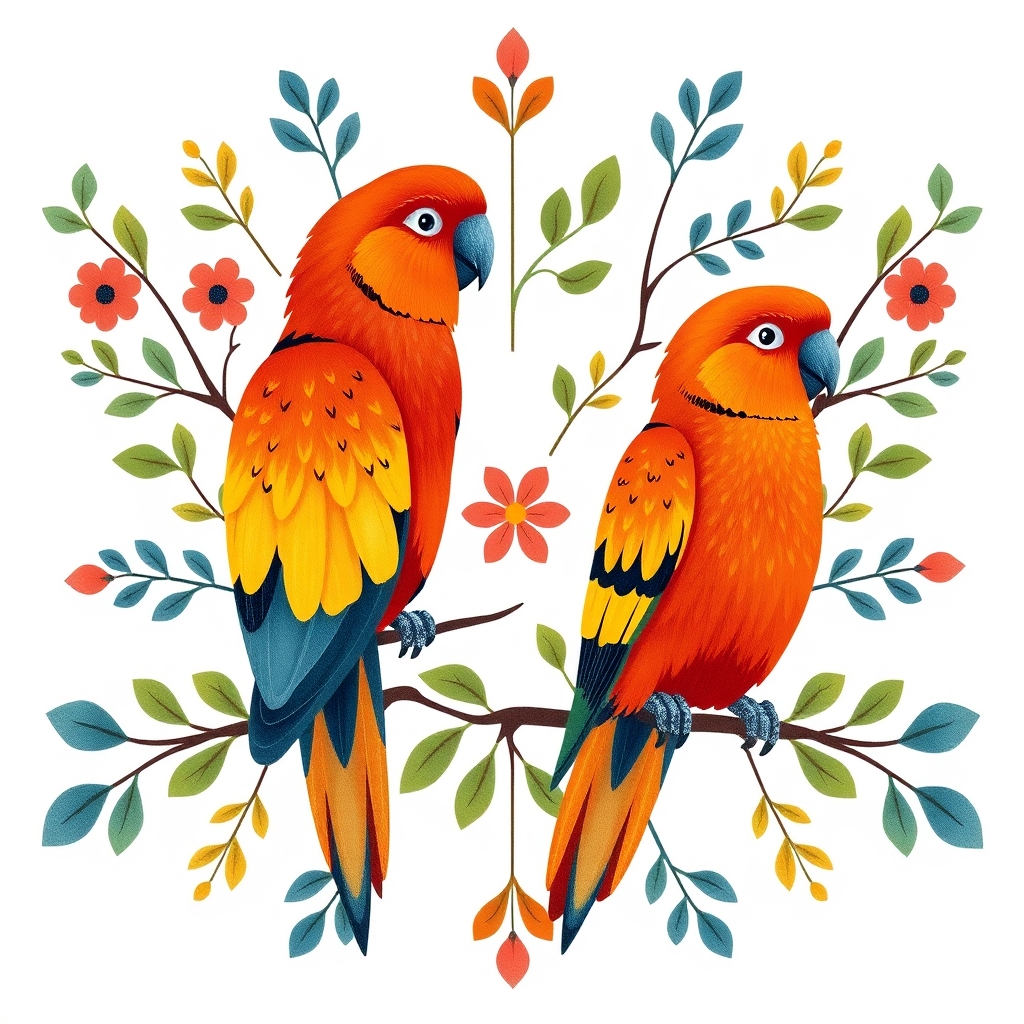
9. Rosella: The Colorful Native Australian Parrot
Imagine a splash of color fluttering through the eucalyptus-dusted air—rosellas are nature’s own hand-painted wonders. Their feathers glow in shades of crimson, yellow, blue, and green, each hue telling a story of the Australian landscape they call home. These medium-sized parrots carry the cheerful spirit of the Outback, brightening woodlands, gardens, and parks with their lively presence.
Rosellas thrive across various regions of Australia, from the temperate forests of the southeast to the drier woodlands inland. Their adaptability is a quiet testament to the resilience woven into their feathers. When morning sunlight filters through gum trees, you might catch sight of a rosella nibbling on seeds or playfully chasing a companion in the underbrush. Their calls carry a sweet, melodic chatter—less raucous than the bold cries of the Kea but with a friendly familiarity that echoes through the trees.
Speaking of Keas, rosellas often invite comparisons for their social habits and vocal styles. While the Kea is the mischievous mountain parrot famed for problem-solving and cheeky intelligence, rosellas lean into gentle sociability, usually found in small groups that share an easy camaraderie. Their conversations are lighter, softer, punctuated by sharp whistles and chatters that drift like a folk song on the wind.
The contrast between rosella and Kea reminds us how varied parrot personalities can be, even within the same continent. Rosellas embody a simpler kind of charm—a bird you might hear before you see, and when you do, it feels like a brushstroke of nature’s calm artistry in your day. They teach us the joy of slowing down to notice the small, colorful things—an afternoon spent on a porch, watching sunlight play on feathers, feeling the pulse of the land in every call.
In the quiet beauty of rosellas, there’s a gentle reminder: sometimes, the brightest colors come with the softest voices, and the simplest friendships in the wild are rich with meaning.
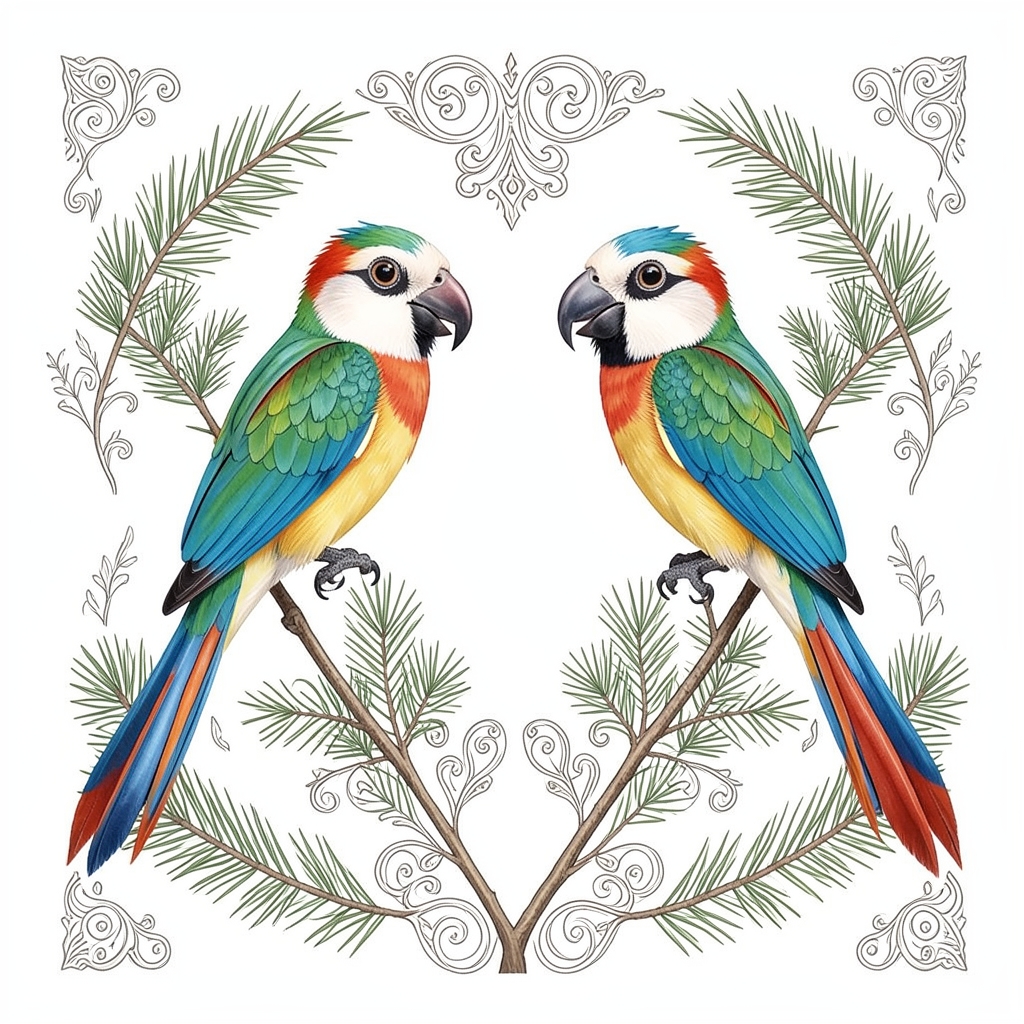
10. Kea: The Intelligent Mountain Parrot
If you ever find yourself wandering through New Zealand’s alpine forests, keep an ear out for the curious calls of the kea. These clever mountain parrots are no ordinary birds—they’re the sort of creatures that make you pause and marvel at the raw smarts nature can brew. Known for their wit and playful spirit, kea have earned a reputation as the neighborhood problem-solvers of the bird world.
Think of a kea as a feathered engineer, always testing the limits of its environment. Whether it’s figuring out tricky puzzles or improvising ways to get a snack, these parrots showcase a kind of intelligence that’s both impressive and endearing. Researchers have observed kea manipulating objects, working together, and even using their complex calls to communicate subtle social cues. In the rugged terrain they call home, adaptability isn’t just a skill—it’s survival.
Their vocal chatter isn’t just background noise either. It’s a rich language, full of different calls that help them navigate the dangers and opportunities of mountain life. Scientists studying these birds have uncovered a surprisingly advanced form of communication, showing how kea arrive at solutions with a mix of creativity and teamwork.
There’s a warm charm in watching them at play—bold, mischievous, and endlessly curious. They remind us that intelligence doesn’t always come in quiet packages; sometimes it’s found in the raucous laughter perched high among the pines, inviting us to appreciate the subtle genius tucked away in the wild places. If you ever cross paths with a kea, you’re meeting more than a bird; you’re encountering one of nature’s little mountain sages, just waiting to share a bit of its spirited wisdom.
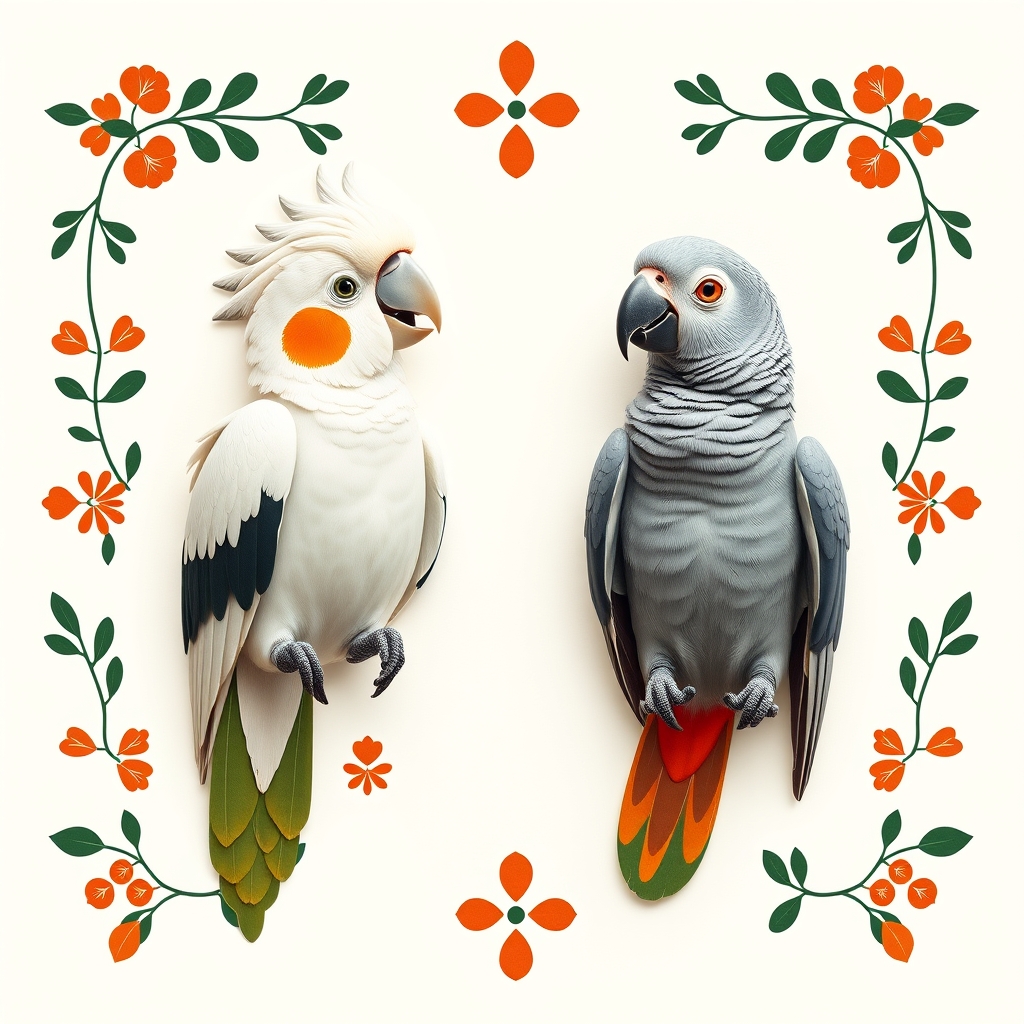
As we’ve wandered through the lively world of parrots—from the thunderous calls of the macaw to the clever chatter of the kea—it’s clear these birds are far more than just colorful feathers and squawks. Each species carries a story woven with unique intelligence, deep social bonds, and behaviors that remind us how rich and varied life can be.
These feathered companions show us the beauty of adaptability, whether it’s the cockatoo’s playful mimicry or the African grey’s astonishing grasp of numbers and words. In their vibrant plumage and lively chatter, they carry echoes of ancient forests and sunlit meadows, reminding us how connected we are to the natural world.
Understanding parrots isn’t just about marveling at their talents—it’s about recognizing the urgent need to protect their homes and celebrate their presence in our lives. From backyard birdwatchers to those lucky enough to share a quiet moment with a pet parrot, every bit of curiosity and care helps these remarkable birds thrive.
So take a breath, listen for their calls, and maybe think about how you can add a touch of their wild wisdom to your own day. Whether that means learning more, supporting conservation, or simply slowing down to appreciate the small wonders outside your window, parrots invite us all to share in their timeless dance of life and learning.














-
 Jigsaw Puzzles
Oslo Opera House Abstract Jigsaw Puzzle 250 | 300 | 500 Pieces
Price range: kr 348,00 through kr 439,00 Select options This product has multiple variants. The options may be chosen on the product page -
 Jigsaw Puzzles
Zodiac Watercolor Rooster Puzzle: Artful Elegance 250 | 300 | 500 Pieces
Price range: kr 348,00 through kr 439,00 Select options This product has multiple variants. The options may be chosen on the product page -
 Jigsaw Puzzles
Art Nouveau Jigsaw Puzzle with Playful Dog in Scenic Landscape 250 | 300 | 500 Pieces
Price range: kr 348,00 through kr 439,00 Select options This product has multiple variants. The options may be chosen on the product page