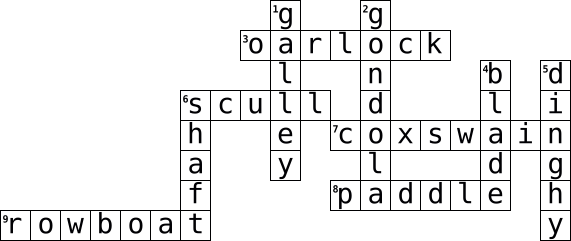
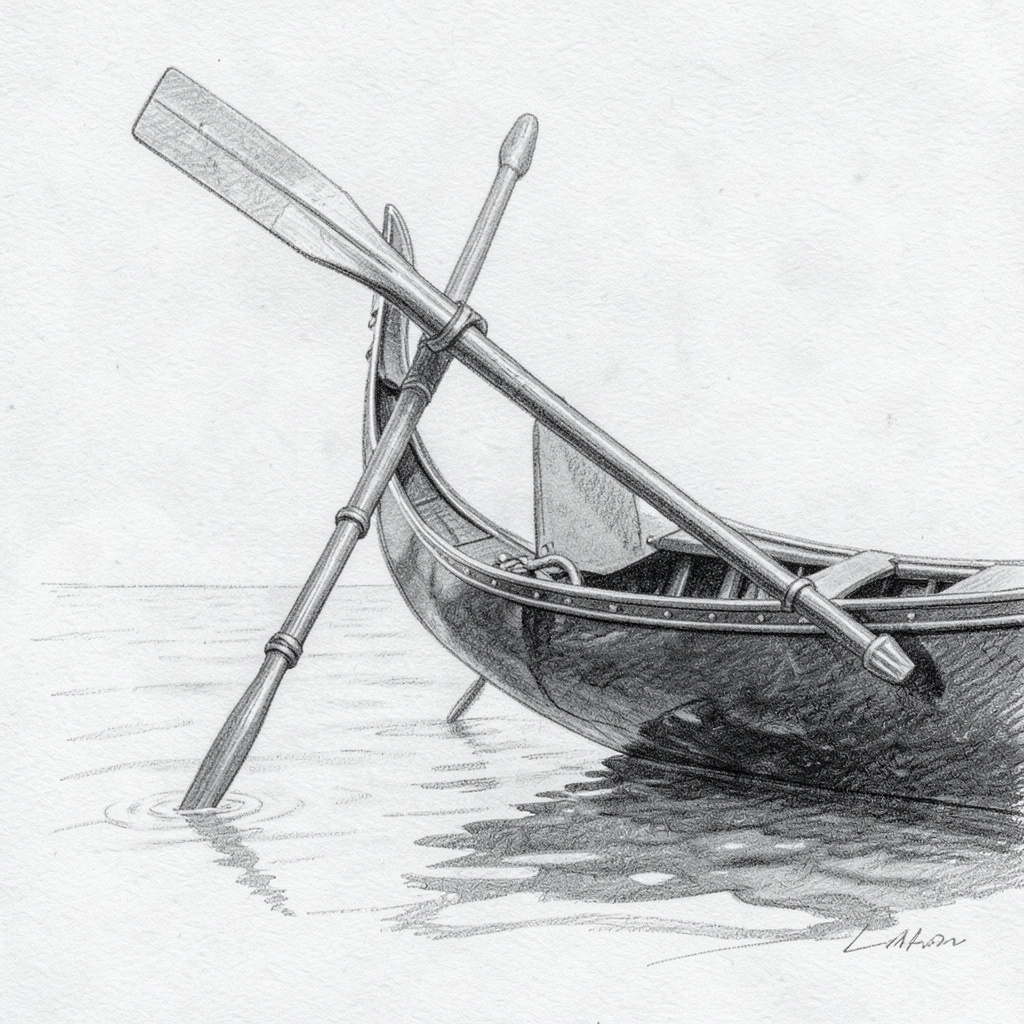
Imagine standing at the edge of a serene canal in Venice, watching a gondolier glide effortlessly through shimmering waters, long oar dipping rhythmically to the side. That slender wooden blade is no mere stick; it’s the heart of movement, a simple yet profound tool that’s shaped human connection with watercraft across centuries. The oar, in its essence, is a lever—an extension of the rower’s arm that transforms human effort into forward motion. Unlike a paddle, which is held freely and used primarily for steering or direct propulsion, an oar pivots against a fixed point called an oarlock, enabling more powerful and controlled strokes.
Oars have powered countless vessels—from the sleek Venetian gondolas threading labyrinthine waterways, to the muscular galleys that once sliced through Mediterranean seas. Understanding the form and function of the oar is key not only to grasping its mechanical role but also to appreciating the cultural stories it carries. Historically, the design of an oar wasn’t just about efficiency; it reflected local materials, craftsmanship traditions, and even social structures—who rowed, who steered, who commanded.
Today, oars bridge past and present, merging age-old techniques with cutting-edge materials like carbon fiber, making rowing lighter and more precise. Yet, beneath every new innovation lies that enduring human touch—the rhythm of the rower’s body, the splash of blade on water, and the timeless harmony between man, oar, and vessel. This article invites you to trace that journey, to feel the grain of wood under fingers and the pull of the water, and rediscover an ancient art that remains vibrantly alive today.
Oars vs. Paddles: Key Differences Explained
At first glance, oars and paddles might seem like simple, interchangeable tools for steering a boat through water. But look closer, and you’ll see two very different approaches to moving watercraft—and two different dances between human and water.
The big mechanical difference? Oars are anchored. They rest in oarlocks fixed to the boat’s side, acting as a pivot point. When you row, you pull the oar’s blade through the water from the boat’s stern, moving yourself forward—even though you’re facing backward. Paddles, by contrast, float free in your hands. When you paddle, you push the water away in front of you, driving your craft forward as you face ahead.
This fixed pivot point in rowing changes everything about how the motion works. Rowers use their legs and back in a fluid, rhythmic push, leaning into the oarlock’s leverage. It feels like the boat and rower are engaged in a shared effort—each stroke a balanced, efficient transfer of human power into forward motion. Paddling, more free-form and hand-driven, is often about quick bursts of power and maneuvering, especially in narrower or shallower waters.
Because of these mechanical quirks, different boats make different choices. Gondolas and racing shells rely on oars to maximize power and control, with their locked position allowing precise, steady propulsion. Kayaks and canoes, meanwhile, stick to paddles—lighter and easier when navigating twists and turns close to shore.
The takeaway? The difference between oars and paddles isn’t just about shapes or names. It’s about how humans and water engage—a subtle art of leverage, direction, and intention that’s been honed over centuries, shaping whole cultures of rowing and paddling around the world.
Historical and Cultural Influences on Oar Design
Step aboard a Venetian gondola and you’ll immediately sense something quietly remarkable: the oar, guided by a single rower standing at the stern, doesn’t just propel the boat but seems to dance with it. What makes this possible—and so uniquely Venetian—is the gondola’s asymmetrical hull. Unlike most boats designed for balance, gondolas lean slightly to one side, carefully crafted to offset the force of that single oar rowing on the right. It’s an elegant solution born of centuries’ worth of trial, error, and masterful craftsmanship.
The gondolier’s oar itself speaks of tradition. It’s long and slender, balanced perfectly to glide through Venice’s narrow canals with minimal splash. Carved from carefully selected woods and polished smooth, these oars aren’t just tools—they’re a continuation of a living heritage, passed from hand to hand like family stories whispered beneath the city’s bridges. Unlike the noisy bustle of tourist boats, gondolas move almost silently, inviting passengers to soak in the atmosphere—the lapping water, the distant hum of a choir, the scent of aged stone.
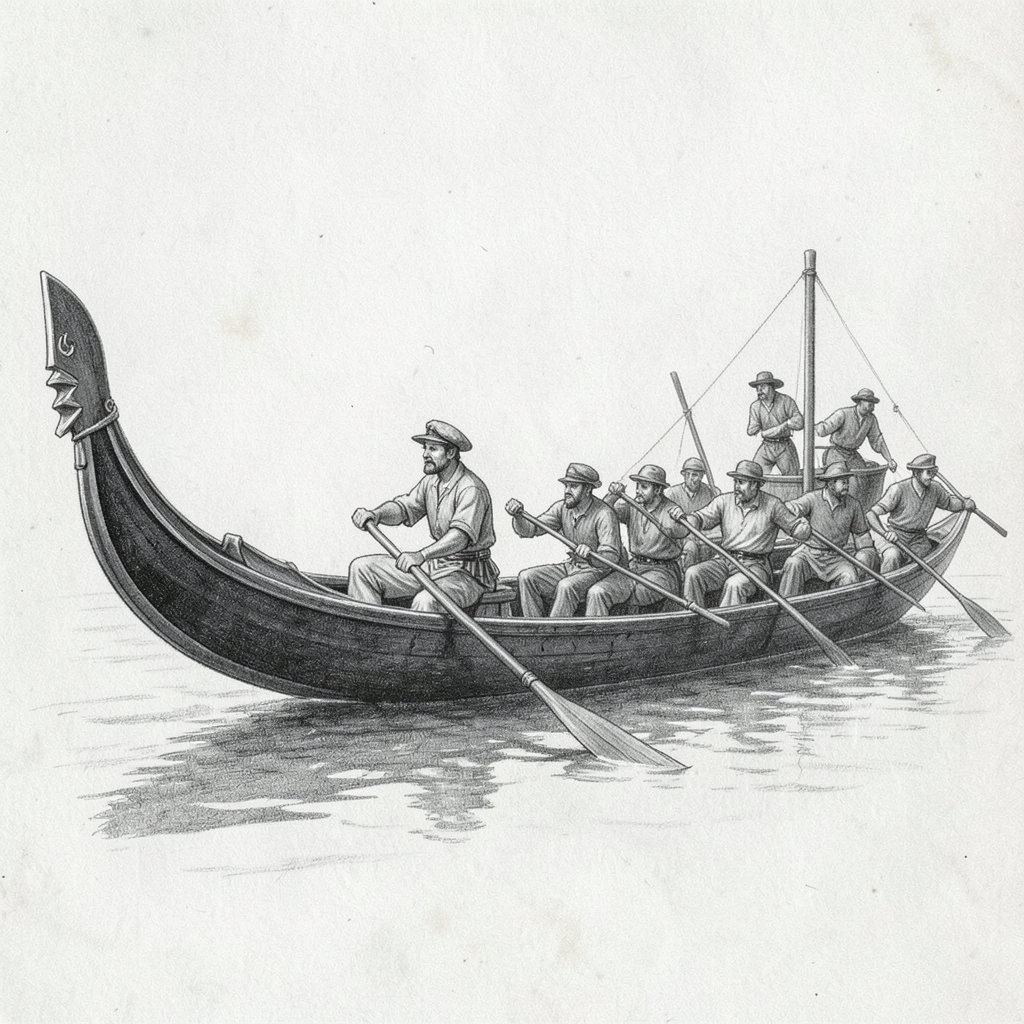
Traveling back in time even further, the massive galleys of the ancient world reveal a different story of oar design and use. Here, rowers worked in close ranks, each handling a single oar, but the real heart of the operation was the coxswain—the eyes, ears, and voice of the crew. Positioned strategically, the coxswain set the rhythm, motivated the rowers, and steered their synchronized power through churning waters. The oar layout in these vessels wasn’t just functional; it was a system of human coordination, almost like music played across waves.
From the quiet waterways of Venice to the thunderous oar strokes of ancient galleys, oar design isn’t just about moving a boat—it’s a reflection of culture, environment, and the people who shaped these watercraft through centuries. Each curve, each oarlock, each blade tells a story of adaptation and artistry, reminding us that behind every stroke is a connection between human hands, history, and water.
Materials and Blade Shapes: From Traditional to Modern Oars
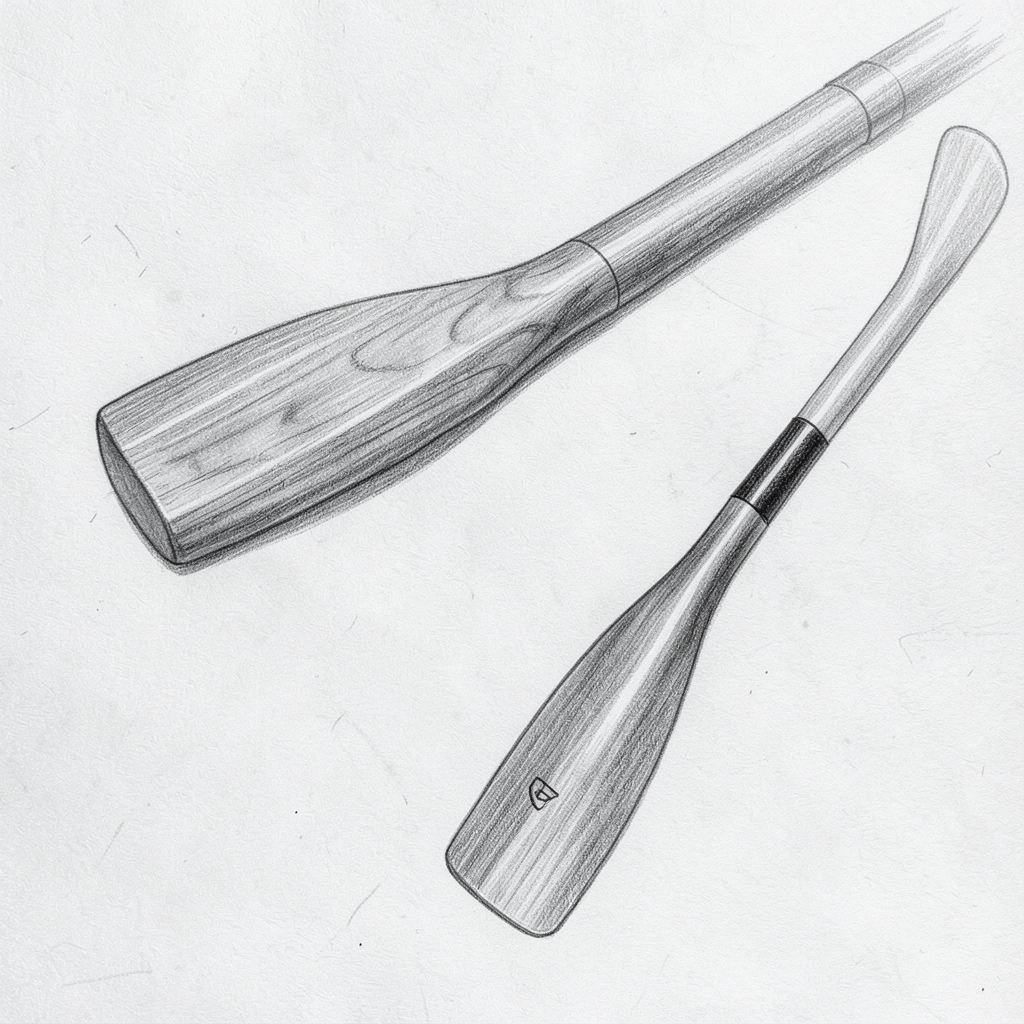
Step back a few centuries, and you’ll find oars shaped by the touch and temper of wood. Early oar makers worked with what was around—usually sturdy, flexible hardwoods like ash or oak. These woods struck a balance: tough enough to handle the water’s push, yet light enough to keep rowers from tiring too quickly. Each oar was hand-carved, smoothed, and often customized, a testament to local craftsmanship and the intimate knowledge of how wood behaves when pressed between hand, water, and boat.
As boats evolved, so did oars. The shift wasn’t just about style — it was about survival, speed, and efficiency on water highways and battlefields alike. Oar blades, once simple flat paddles, transformed into shapes that sliced through water with less resistance, harnessing lift to propel vessels forward with less effort. The blade’s profile, width, and angle were tuned like notes in a song, responding to the rhythms of waves and wind.
Fast forward to today: an exciting fusion of tradition and technology. Modern oar shafts often use engineered laminated fir or ultra-light carbon fiber. Laminated fir combines the resilience and warmth of wood with improved strength, while carbon fiber brings incredible stiffness without the extra weight—ideal for competitive rowers chasing every ounce of speed and precision. The blades mirror this evolution, sculpted with hydrodynamic curves that balance lift and drag, often coated with finishes to maintain a smooth surface that cuts cleanly through water.
Yet, it’s not just about shiny materials. The details matter. Proper oarlock sizing, for example, ensures that the oar sits and moves with just the right resistance—too loose, and you lose control; too tight, and energy wastes in friction. Maintenance, too, is crucial. A well-cared-for oar doesn’t just perform better; it lasts longer, staying true to the spirit of those first hand-carved pieces that set rowers on their journeys long ago.
In this blend of old and new, oars remain a bridge—between human effort and the water’s embrace, between ancient craftspeople and today’s engineers, between the timeless joy of rowing and the modern quest for mastery.
Specialized Oar Components and Their Functions
When you think of rowing, the oar might seem like a simple stick with a blade at the end. But look a little closer, and you’ll find a finely tuned partnership of parts—each shaping how power transfers from your arms to the water. Let’s break down the essential components that make rowing more than just splashing around.
Oarlocks: The Pivot Point
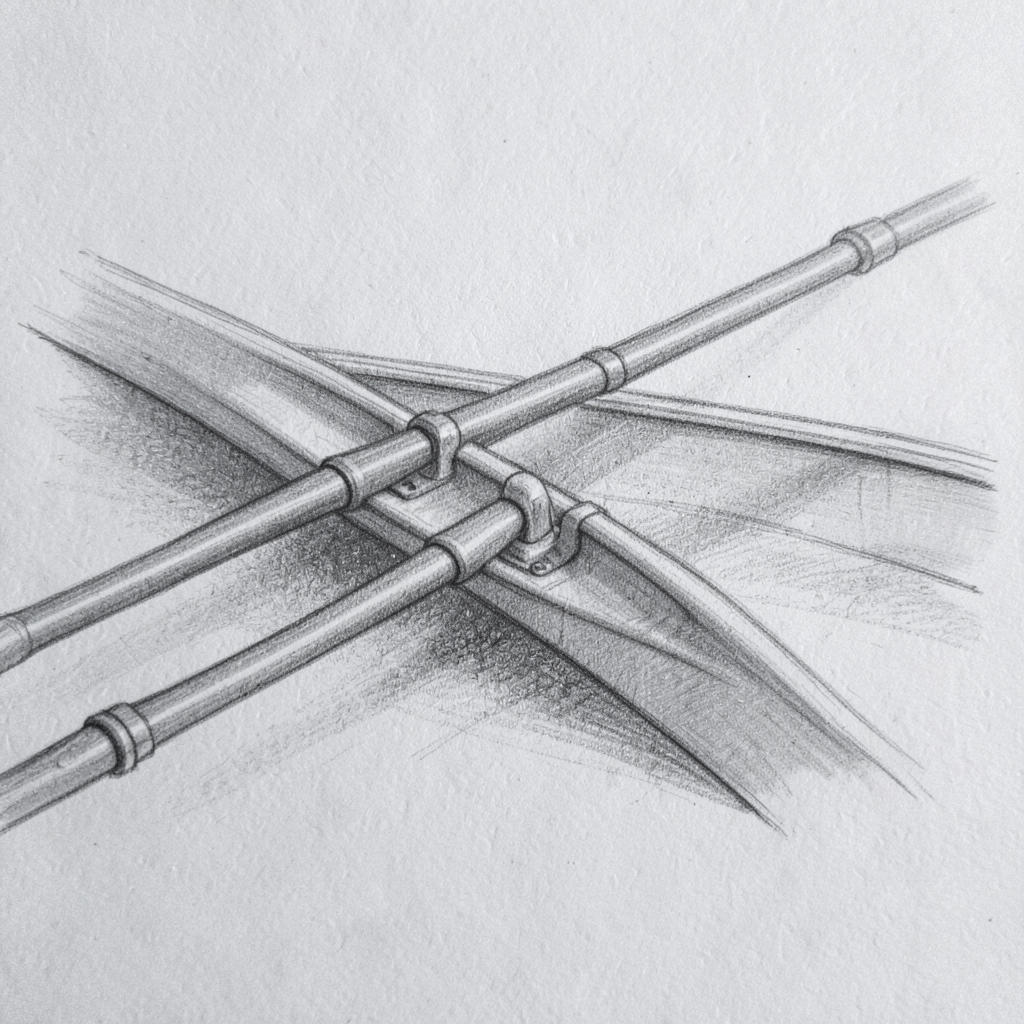
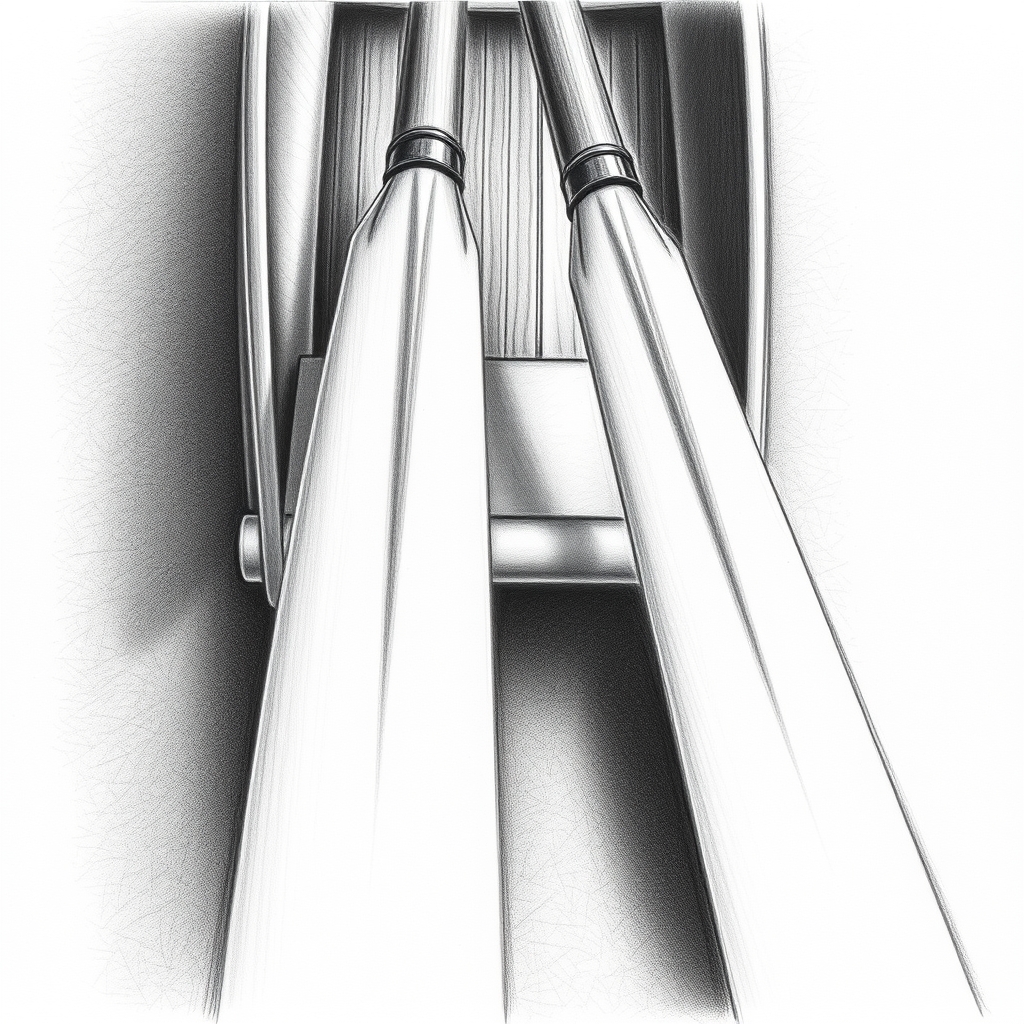
Oarlocks are those small U- or D-shaped fixtures mounted on the boat’s sides, holding the oar in place while letting it rock back and forth. Contrary to what you might hear, oarlocks themselves don’t magically boost your speed. Instead, they create a stable fulcrum, letting rowers put maximum force into each stroke without losing control. If they’re too loose or too tight, your rhythm suffers, and every stroke feels clunky. Proper sizing and regular tuning keep the oar’s motion smooth—think of oarlocks as the quiet workhorses keeping the rowing symphony in sync.
Blades: Shape Meets Water
The blade is where muscle meets water. Shapes vary widely—from traditional long, narrow “Macon” blades to the wider “hatchet” style popular in racing. What all good blades share is a smooth surface that slices cleanly through the water, catching it just right to propel the boat forward. A rough or warped blade wastes energy, churning water instead of pushing against it. Designing these blades is a dance between lift and drag—high lift strokes push the boat powerfully, while minimizing drag keeps movement effortless and efficient.
Shafts: Strength, Flexibility, and Feel
The shaft—the long handle of the oar—plays a subtle but vital role. Traditionally carved from wood, modern oars now often use lightweight materials like carbon fiber, balancing strength with just enough flex. Too stiff, and every stroke feels jarring; too flexible, and you lose power. The shaft is your tactile connection between body and blade, and its feel influences everything from timing to comfort. In short, the right shaft adjusts to your stroke, helping your body work smarter, not harder.
Together, these components form a system crafted over millennia, blending simple mechanics with subtle design choices. In mastering them, rowers don’t just move boats—they become part of a timeless dialogue between human effort and water’s rhythm.
Unique Features of Specific Watercraft and Their Oars
When we look closely at the relationship between watercraft and their oars, it becomes clear that design is never random—it’s a dance between form, function, and culture. Each vessel tells a story through its oars, reflecting centuries of adaptation and tradition.
Venetian Gondolas
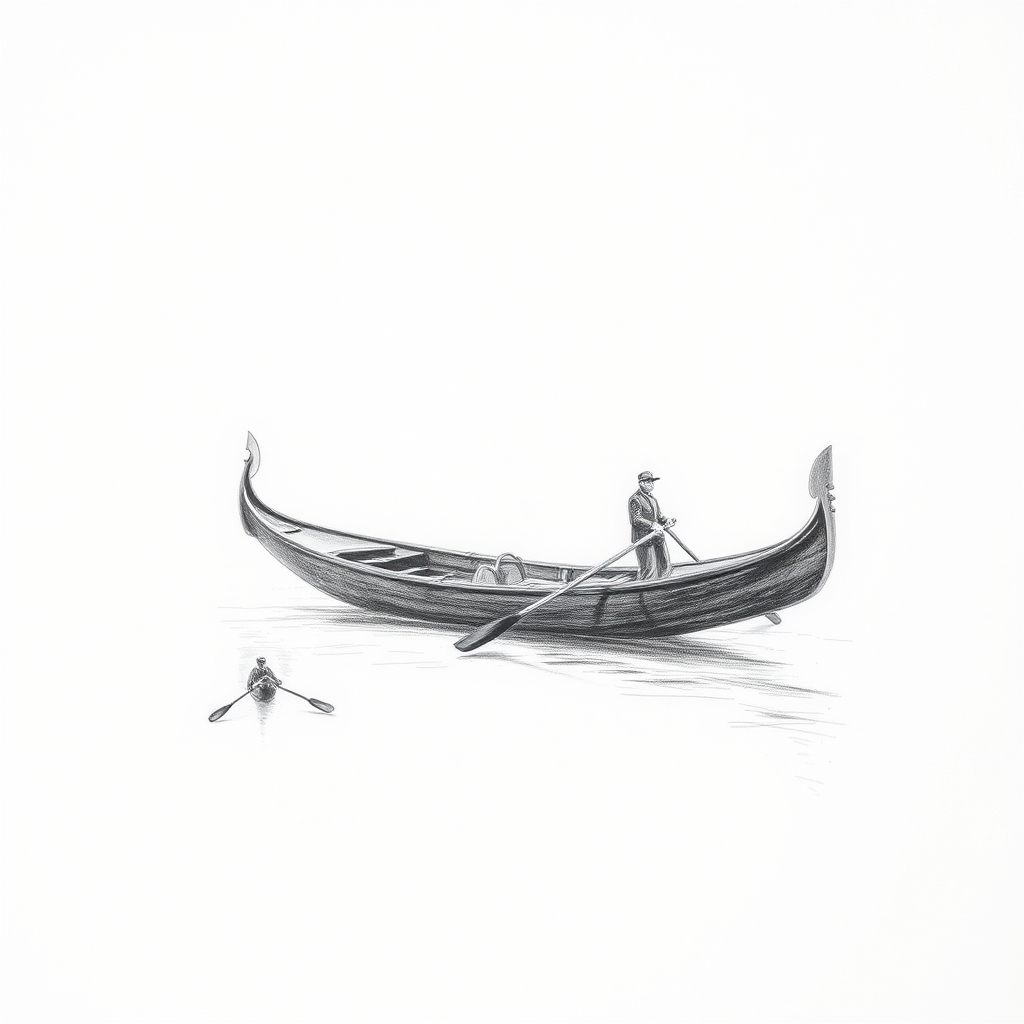
Step aboard a Venetian gondola, and you immediately notice something different: a single, broad oar resting not in the center but on one side. This isn’t just for show—the gondola’s asymmetric hull is masterfully crafted to balance the force of that lone oar, rowed from the right side by a skilled gondolier. The technique here is elegant and practical, allowing a smooth, quiet glide through Venice’s narrow canals.
The oar itself is a work of tradition—made from carefully selected wood, polished for years of gentle waterborne storytelling. The gondolier’s stroke is slow and deliberate, less about speed and more about preserving an experience that feels almost timeless. There’s no rush here; it’s the preservation of a living heritage, a subtle art passed down with quiet reverence.
Rowboats and Dinghies
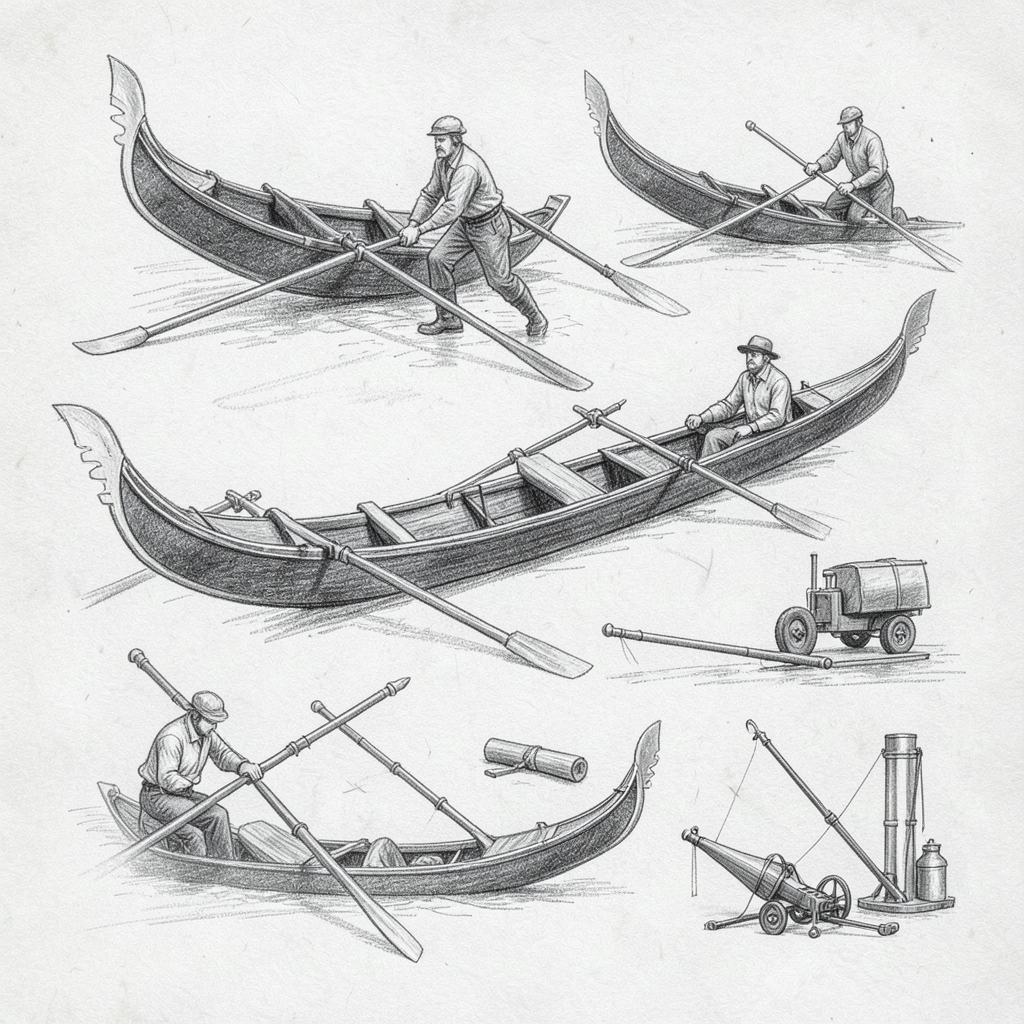
Shift to a typical rowboat or dinghy, and the story changes. Here, pairs of oars come into play, each held firmly in oarlocks fixed to the sides. The symmetry allows for balance and power, with rowers pushing backward to propel their craft forward. Blade shapes vary—from flat, broad oars for leisurely lake outings to slender, curved blades designed for racing.
These boats and their oars are versatile, carrying the athlete and the casual paddler alike. Their straightforward design invites participation, making rowing both a sport and a way to connect with water at a personal pace. Whether cutting quietly across a misty morning pond or powering through a competitive regatta, these oars respond to intent and skill.
Galleys and Sculls
In the realm of galleys and sculls, oars take on a more regimented, specialized form. Ancient galleys were powered by dozens of oars arranged methodically along the vessel’s sides, each rower’s motion synchronized with discipline and rhythm. The coxswain was the heartbeat of this coordination—steering, motivating, and maintaining cadence.
Modern sculls, though much smaller, echo this heritage with sleek, lightweight oars optimized for speed and efficiency. Each blade and shaft is fine-tuned to reduce drag and maximize power transfer, creating a harmonious extension of the rower’s body. The partnership between athlete and oar here is as much about precision as it is about power, a testament to centuries of refinement.
In these vessels and their oars, we find not just tools, but stories—of craftsmanship, culture, and human connection to water. To hold an oar is to grip a link between past and present, motion and meaning.
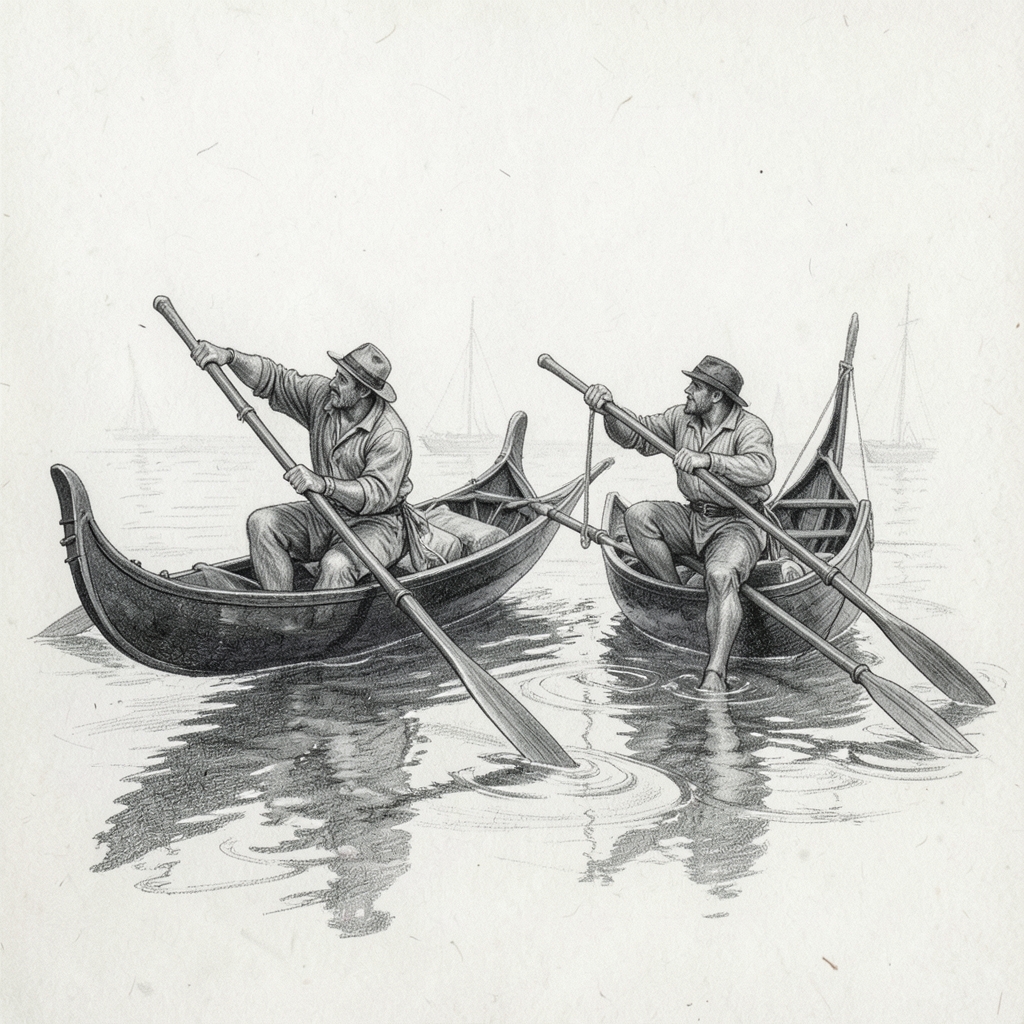
As we pull back from the long sweep of history and the swirl of craftsmanship, one thing becomes clear: the oar is much more than a simple tool—it’s a bridge between human intention and water’s endless flow. From the shadowed canals of Venice, where a single gondolier gracefully guides his boat with one carefully shaped oar, to the powerful rhythm of a galley’s crew pushing through the waves, the oar carries stories of innovation, culture, and connection.
Its evolution tells us about people adapting to their environments, balancing form and function with artistry and tradition. Today’s high-tech materials—carbon fiber shafts, hydrodynamic blades—stand on centuries of knowledge, making rowing not just efficient but a deeply tactile experience. Whether you’re on a quiet lake or racing across the ocean, mastering the oar is about respect as much as technique: learning to listen to the water’s whisper, feeling the rhythm in your muscles, and honoring the generations who turned simple wood into a tool of motion and meaning.
So next time you grip an oar, pause for a moment. You’re holding a piece of history, a tool that’s traveled from shore to shore, culture to culture—carrying dreams, labor, and leisure alike. In that steady pull and release, the past and present meet, inviting you to become part of a timeless dance with the water.
References and Further Reading
To dive deeper into the fascinating world of oars and their stories, these carefully chosen sources blend rich history with practical insight—perfect for curious minds eager to explore the art and science behind every stroke.
-
Gondolas, Poppets, and Oars
A vivid exploration of Venetian craftsmanship and traditions that shape the iconic gondola experience. This piece invites you to imagine the quiet elegance of Venice’s waterways, where every oar stroke carries centuries of heritage.
Read more -
Venetian Gondola Experience 2026
Step into the present with this candid glimpse into gondola life today, blending timeless technique with modern appreciation. A visual tale that captures the warmth and artistry of gondoliers in action.
Explore here -
Role of Coxswain in Galley Rowing
Meet the heartbeat of ancient rowing crews—the coxswain, whose voice and rhythm shaped battles and races alike. This story brings to life the intense coordination and human spirit behind galley rowing.
Discover the history -
Competition Sculls and Blade Design
For those intrigued by how blade shapes and smooth finishes translate into speed and control, this guide blends technical know-how with the feel of competitive rowing.
Learn more -
Oarlocks and Their Function
Debunk myths and uncover the science of oarlocks—those small but mighty components that subtly influence your stroke efficiency and comfort. Ideal reading for anyone looking to fine-tune their rowing technique.
Read up -
Understanding Oars vs. Paddles
What really sets an oar apart from a paddle? This accessible read breaks down the key differences in form and function, perfect for beginners wanting to grasp the essentials of watercraft propulsion.
Explore here -
Modern Oar Materials
From rugged laminated fir to sleek carbon fiber, this resource highlights how innovation shapes today’s oars—crafted for durability, lightness, and that perfect glide through water.
Find out more
Each link offers a doorway to stories and knowledge that extend the rhythm of our oar’s journey—past, present, and future—inviting you to feel the connection between human hands, crafted wood, and the timeless dance of water.














-
 Jigsaw Puzzles
Zodiac Series Tiger Ink Puzzle – Black and White Art 250 | 300 | 500 Pieces
Price range: kr 348,00 through kr 439,00 Select options This product has multiple variants. The options may be chosen on the product page -
 Jigsaw Puzzles
Twelve Zodiac Mice Ink Wash Jigsaw Puzzle 250 | 300 | 500 Pieces
Price range: kr 348,00 through kr 439,00 Select options This product has multiple variants. The options may be chosen on the product page -
 Jigsaw Puzzles
Charming Hamster Art Nouveau Jigsaw Puzzle 250 | 300 | 500 Pieces
Price range: kr 348,00 through kr 439,00 Select options This product has multiple variants. The options may be chosen on the product page