

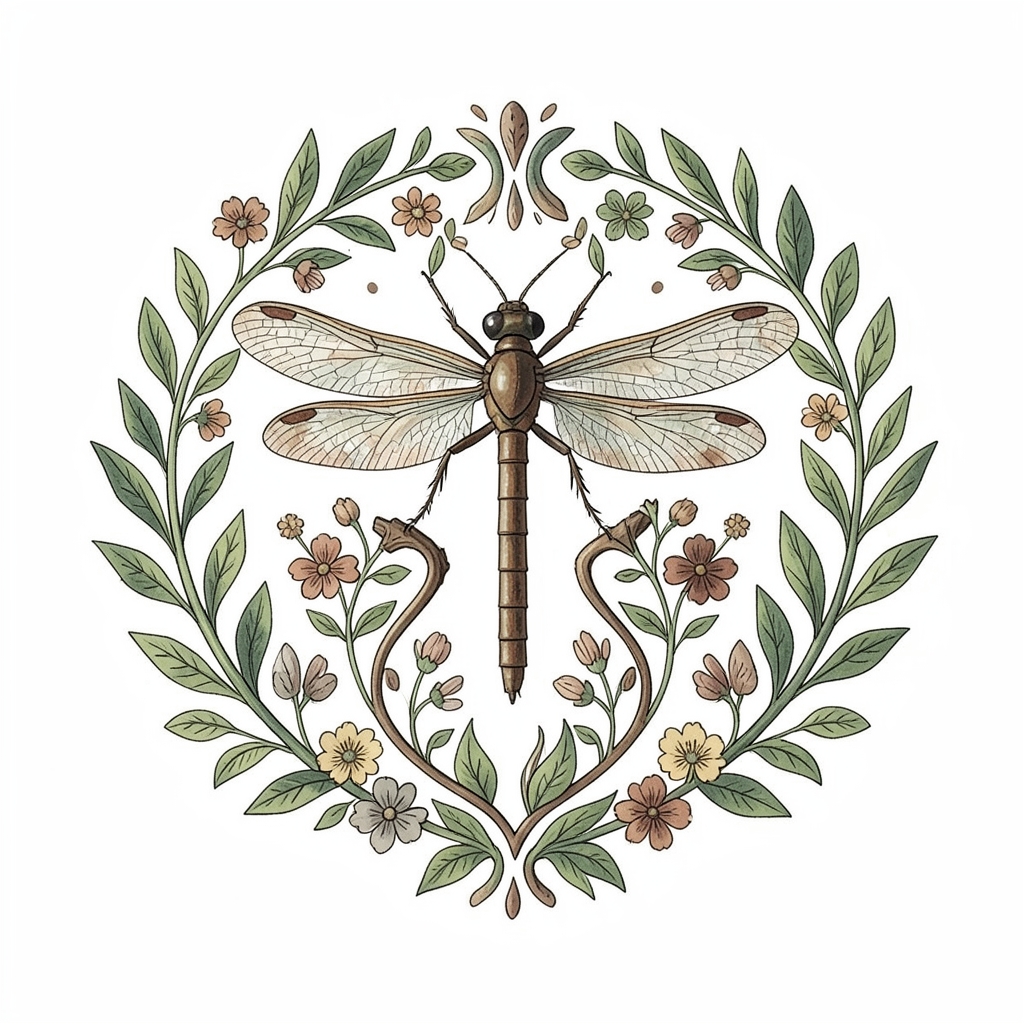
There’s a simple beauty in the word “nymph”—not the mythical creature, but the young form of certain insects that haven’t quite grown into their full wings or adult colors. A nymph is that in-between stage, somewhere after hatching from the egg but before the final adult shape takes hold. Unlike caterpillars that tuck themselves away to transform completely, nymphs wander about looking like smaller, wingless versions of their mature selves. They represent a phase called incomplete metamorphosis, where the change is more gradual and open to the world.
You’ll find nymphs across a variety of insects: dragonflies skimming along pond edges, grasshoppers leaping through meadows, cicadas humming underground, even the bedbugs stealthily hiding in home crevices. These youngsters are not just awkward intermediates; they carry the essence of their species’ survival and adaptation in some of the most fascinating ways.
Why care about nymphs? Well, they’re more than just tiny versions of adults. They tell us tales about habitats and health — a dragonfly nymph lurking in a creek speaks of clean water; a swarming locust nymph signals changes in the fields. Studying them is like tuning into a quiet conversation between the seasons, the soil, and the creatures that live alongside us. From the mysterious depths of freshwater pools to the corners of your attic, nymphs offer a glimpse into a hidden world where life grows quietly but surely.
So, as you wander outside or glance closely at a windowsill, remember: nymphs hold stories worth slowing down for. They remind us that growing up doesn’t happen all at once, but step by step, leaf by leaf, with a rhythm all their own.
The Biology and Lifecycle of Nymphs
If you’ve ever watched a dragonfly skim over a pond or noticed a bedbug scuttle away at night, you’ve glimpsed the end result of a journey that started long before. That journey begins in the nymph stage, the young life of certain insects where the magic of growth quietly unfolds.
Incomplete metamorphosis sets nymphs apart. Unlike butterflies or beetles that go through dramatic changes—egg, larva, pupa, then adult—incomplete metamorphosis skips the pupal stage altogether. The young emerge from eggs as nymphs, smaller versions of adults, missing only the fully developed wings and reproductive parts. Think of it as nature’s way of easing insects into adulthood without the full cloak-and-dagger transformation.
Each nymph goes through several molts, shedding its outer shell like an old coat that’s too tight. These stages, called instars, mark growth spurts where the little insect takes on more adult features as it prepares to spread wings or fly off into new adventures. Between molts, the nymph looks a bit like an earnest apprentice—learning the ropes and toughening up for adult life.
Survival is stitched into every aspect of a nymph’s design. Aquatic nymphs, like dragonflies, come equipped with gills and sturdy legs to navigate murky underwater realms, while their terrestrial cousins often sport hardened exoskeletons to withstand sun and scavengers. Timing matters, too; many nymphs pace their development with seasons, emerging just when conditions are ripe for finding food, mates, or safety.
In this quiet, steady growth, nymphs offer an honest glimpse into nature’s rhythm—a reminder that becoming something greater takes time, patience, and a little bit of grit. Next time you find one clinging to a leaf or zipping beneath the surface of a stream, pause and consider the story it’s living, one molt at a time.
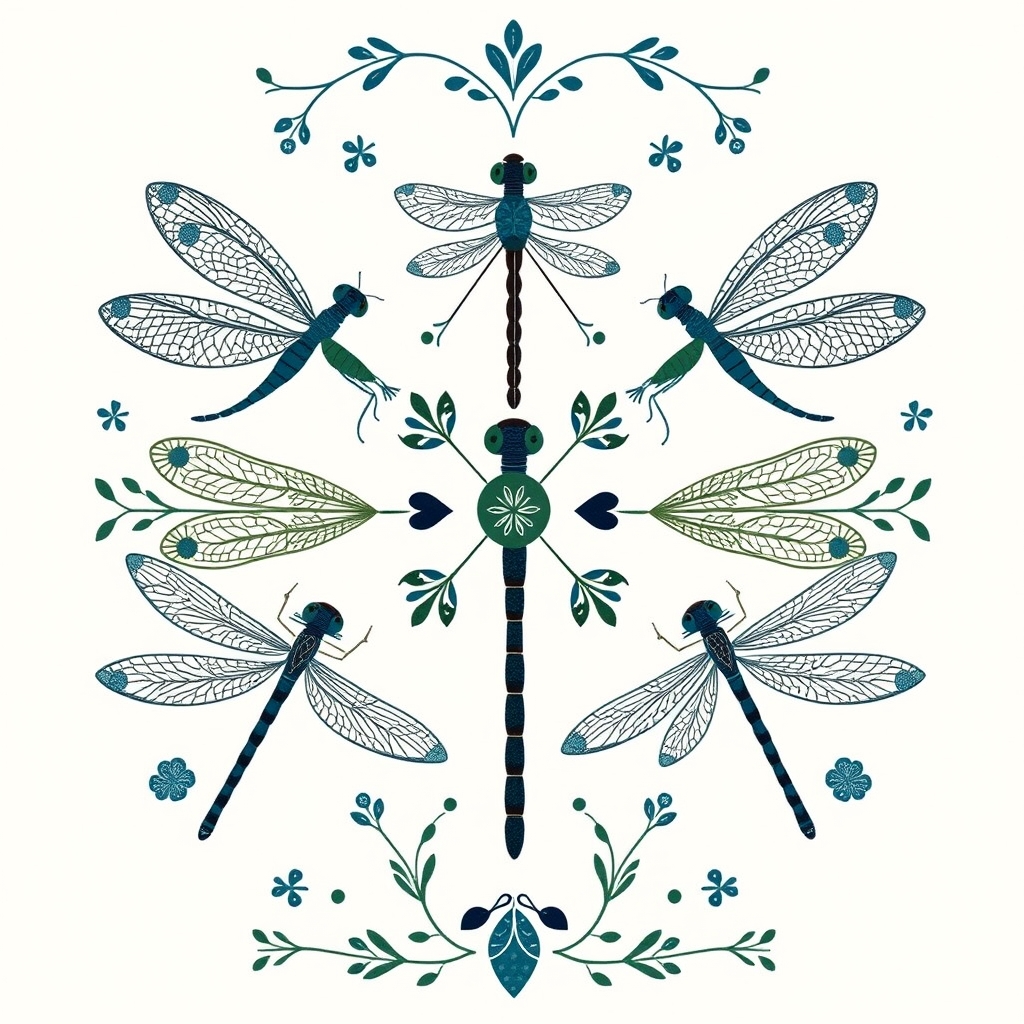
Aquatic Nymphs: Dragonflies, Mayflies, Damselflies, and Stoneflies
Step down to the water’s edge on any quiet pond or stream, and you might glimpse one of nature’s hidden dramas unfolding beneath the surface. That’s where aquatic nymphs—those young, unfinished insects—make their homes. These nymphs are not just waiting around; they’re busy players in watery worlds, shaping life and health in ways you might not expect.
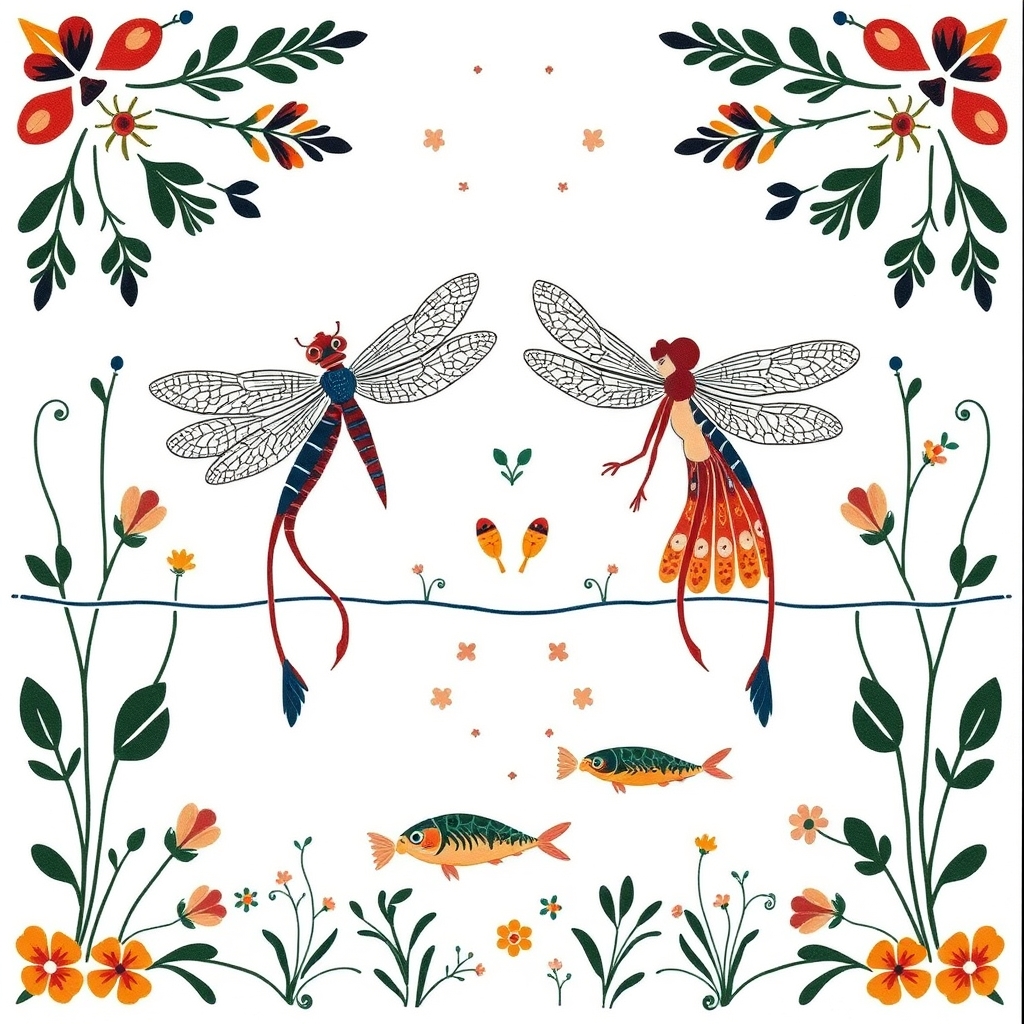
Dragonfly Nymphs spend anywhere from a few months to several years in the dark, cool depths before they ever take to the air with their shimmering wings. They’re fierce hunters underwater, snapping up tadpoles, small fish, and other insects with surprising speed and precision. Their presence is a quiet promise of clean, oxygen-rich water, a sign that the pond or stream is well cared for. When they finally emerge, those clumsy, armored nymphs transform into the graceful dragonflies you see darting across fields, keeping the skies buzzing with life.
Mayfly Nymphs live in the steady currents of freshwater streams, often clinging to rocks or submerged plants. They can spend months, even years, growing and moulting through many stages, yet their adult life is fleeting—sometimes just a single day. Despite that, they’re a vital link in the chain, providing rich meals for fish and birds alike. Like dragonflies, mayflies are sensitive to pollution, their presence or absence telling volumes about water quality. When the air fills with mayfly hatchings, it’s a celebration of a well-balanced ecosystem.
Damselfly Nymphs share many of the same watery homes but don’t get the same attention as their dragonfly cousins. They’re slimmer, often more delicate, but just as quick beneath the water’s surface. Their hunting style and subtle movements play a quiet role in keeping freshwater habitats balanced, preying on mosquito larvae and other tiny critters that would otherwise overwhelm the system.
Stonefly Nymphs are the true canaries in the coal mine of streams and rivers. They require cold, clean water, and they shun pollution. Where stoneflies thrive, you know the water’s fresh and flowing strong. Beyond their role as water quality sentinels, these nymphs help break down leaf litter and contribute to nutrient cycling, keeping the ecosystem’s wheels turning steadily.
Together, these aquatic nymphs remind us that beneath calm water lies a busy, bustling world. They teach us to listen not just to what we see, but what thrives quietly out of sight—spurring a deeper respect for the simple, steadfast rhythms of life at the water’s edge.
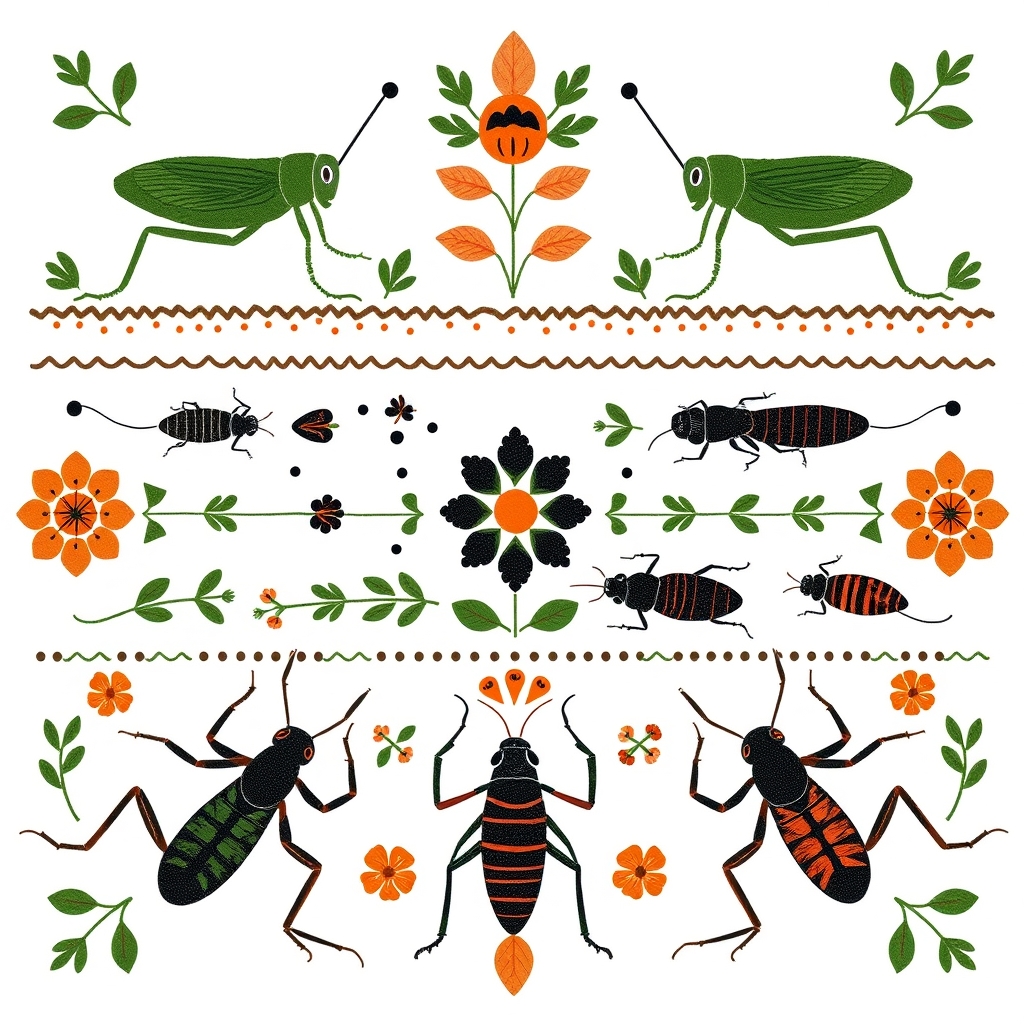
Terrestrial and Semi-Terrestrial Nymphs
There’s something quietly fascinating about watching a grasshopper nymph nibble its way through a patch of clover on a warm summer afternoon. These young hoppers are busy little creatures, chewing through leaves with a surprisingly hearty appetite. In fact, grasshopper nymphs can consume a large amount of plant material each day, shaping the landscape one bite at a time. This voracious feeding plays a role beyond just filling their bellies—it influences the health and growth of vegetation around them.
Locust nymphs take this story a step further. When conditions favor, these hoppers gather in vast swarms that can stretch across fields and plains, transforming from solitary nibblers into a powerful force of nature. Their collective munching can turn green fields to bare earth, reminding us how small beginnings have the potential to make a big impact. It’s a seemingly wild dance between instinct and environment, one that has ripple effects on the ecosystem and human agriculture alike.
Cricket nymphs, meanwhile, tune into a different rhythm. Rather than feasting on fresh leaves, they often help break down dying plant matter, quietly recycling nutrients back into the soil. Their steady work supports the circle of life beneath our feet, making them unsung heroes of the garden and forest floor.
Then there are cockroach nymphs—resilient survivors with talents honed by countless generations. These little critters can go without food for weeks, relying on stored energy, though a sip of water is essential to keep them going. They adapt to a variety of environments, from damp woods to the nooks and crannies of human homes. While often unwelcome guests, their tenacity reveals a clever design to thrive anywhere resources appear.
Together, these terrestrial and semi-terrestrial nymphs remind us that every stage of life, no matter how small or overlooked, carries a purpose. They chew, crawl, and grow, quietly weaving their stories into the fabric of the natural world. So next time you spot a little hopper or cricket on your porch, take a moment to watch. There’s a whole slow story unfolding in those tiny movements—a story both simple and profound.
Cicada and Bedbug Nymphs: Unique Lifecycle Strategies
Cicada Nymphs
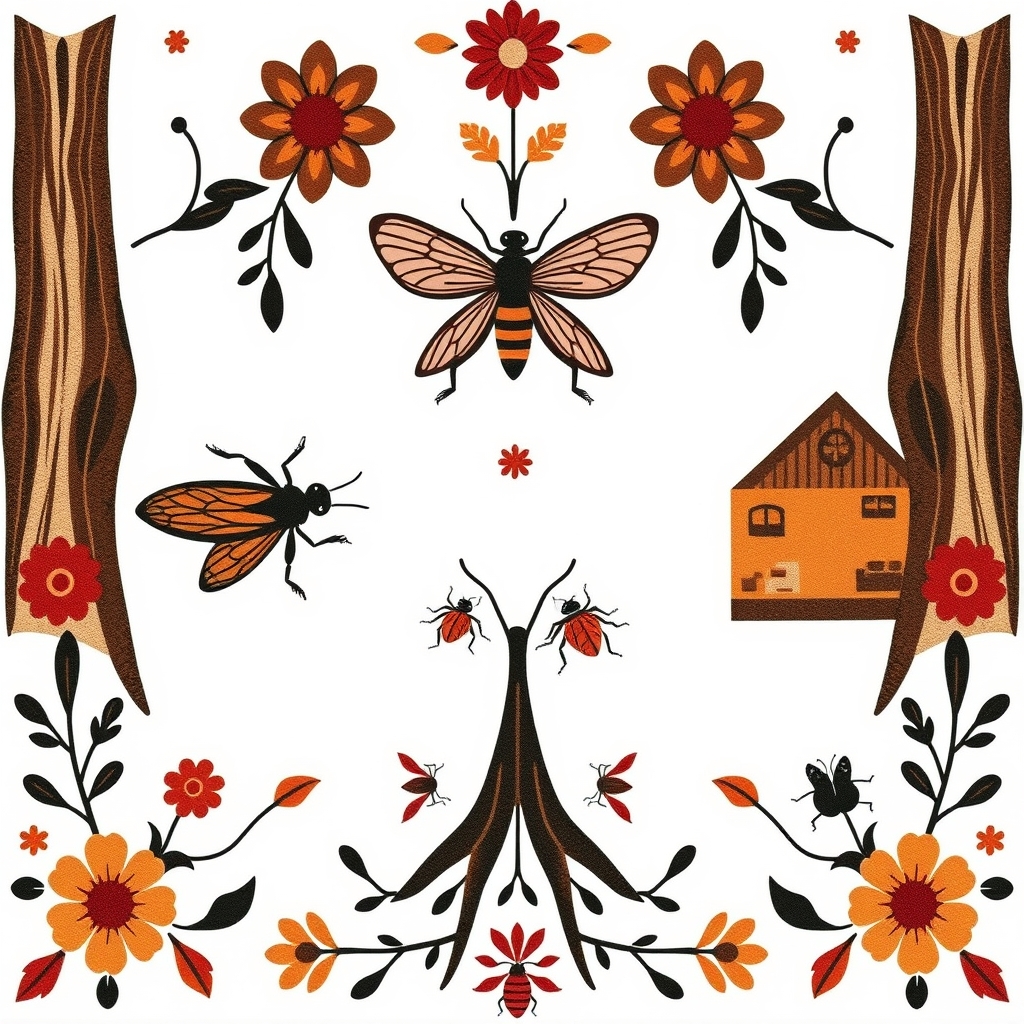
Imagine the quiet hum beneath an old oak tree, where unseen tunnels wind through rich soil. That’s where cicada nymphs spend most of their days, sometimes for years on end. These underground apprentices feed steadily on tree roots, slowly growing, molting, and preparing for their grand aboveground debut. Their digging does more than just feed them—it aerates the soil, letting water and air nourish the roots in a way only nature’s laborers can. When the time comes, these nymphs emerge in unison, shedding their skins and filling the air with that familiar, buzzy song that marks summer’s height. Their long wait underground and sudden transformation remind us that patience and timing are nature’s quiet wisdom written beneath our feet.
Bedbug Nymphs
Now, step inside a more intimate setting—bedbug nymphs hatch quickly, eager and hungry. These tiny, nearly invisible creatures make human homes their playgrounds, nibbling and growing through several stages before reaching adulthood. Their swift development and appetite make infestations tricky to manage, as each nymph stages its own little battle for survival. Unlike the patient cicadas, bedbug nymphs thrive in the shadows, often hidden in the folds of mattresses or behind baseboards. While they carry an unwelcome reputation, understanding their lifecycle helps us tackle them with knowledge rather than fear. After all, even the smallest nymph lives by the same rules of survival and adaptation, quietly weaving its story within the places we call home.
There’s something quietly powerful about nymphs, these often-overlooked youngsters of the insect world. They don’t just shuffle through their stages to adulthood—they play indispensable roles in the ecosystems they call home. Think of them as nature’s barometers, their presence or absence whispering stories about the health of water and soil.
Take aquatic nymphs like dragonflies and mayflies. When these nymphs thrive in streams and ponds, it’s a signal that the waters are clean and well-balanced. Conversely, a sudden drop in their numbers can hint at pollution or habitat disruption long before it becomes visible to us. This makes them trusted bioindicators—living clues that help scientists and naturalists gauge environmental quality without fancy instruments.
But nymphs don’t merely signal—they actively shape their worlds. As both predators and prey, they hold crucial spots in food webs. Dragonfly nymphs silently control populations of mosquito larvae, while mayfly nymphs provide a steady feast for fish and birds. On land, grasshopper and cricket nymphs break down plant material, speeding up nutrient recycling that feeds the soil beneath our feet.
Their actions also ripple beyond feeding habits. Cicada nymphs, spending years underground nibbling on roots, help aerate the soil, encouraging water flow and root growth. That slow, steady work nurtures the very plants that shade us and fill our fields.
But these delicate balances face threats. Pollution, habitat loss, and climate shifts can unsettle nymph populations, creating ripple effects throughout entire ecosystems. When nymphs struggle, it’s often a sign the land and water are struggling too.
So next time you bend down by a pond or walk through a meadow, pause a moment for the nymphs—those small lives busy at work beneath and around us. They carry the pulse of the earth’s quiet health, reminding us that even the smallest creatures hold a place in the grand, intricate dance of life.
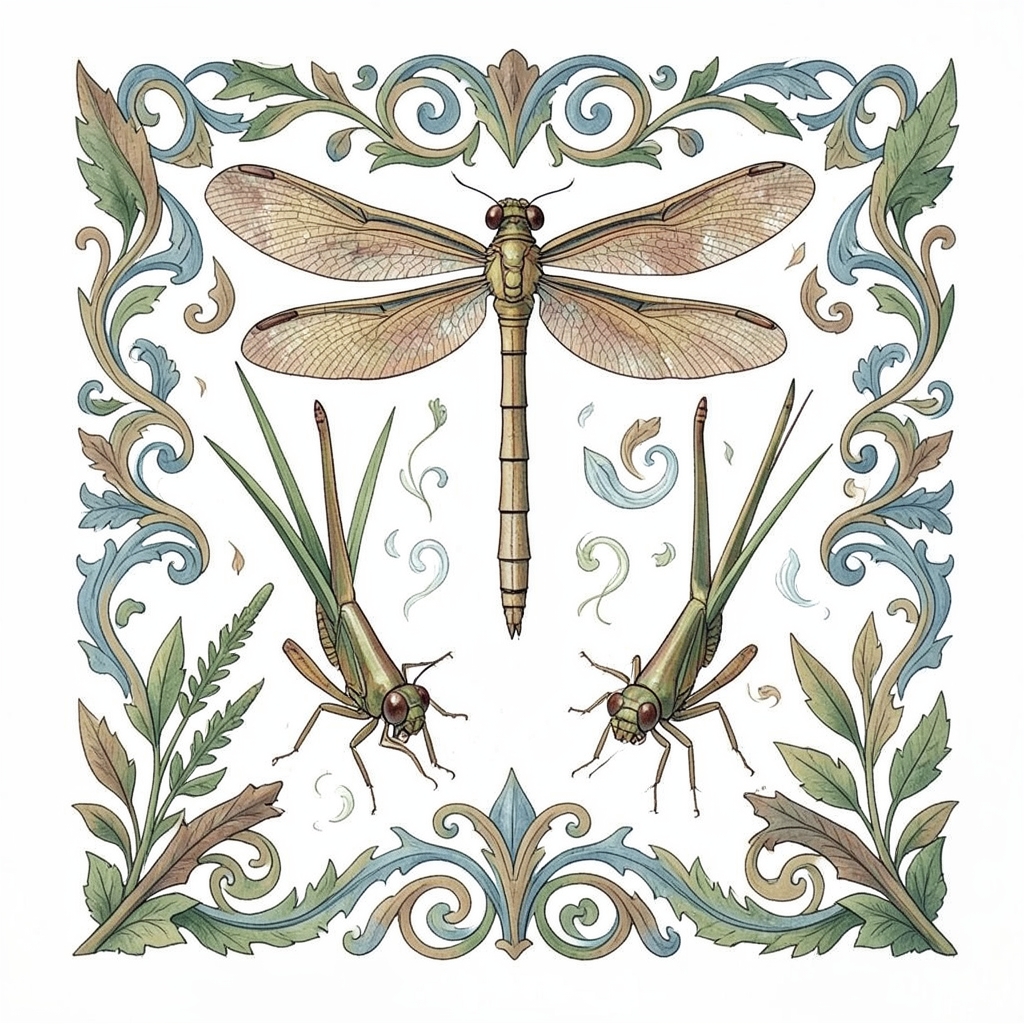
As our journey through the world of nymphs winds down, it’s worth pausing to appreciate just how varied and vital these young insects truly are. From the shadowy depths where dragonfly nymphs lie in wait, to the quiet corners of a garden where grasshopper nymphs nibble away, each stage tells a story of survival, adaptation, and connection to the land and water around them.
Understanding these immature forms isn’t just about satisfying curiosity. It’s about recognizing the rhythms of nature that keep ecosystems balanced—nymphs serve as barometers of environmental health, players in the food web, and even helpers in nutrient cycling. When a mayfly nymph struggles because the water is polluted, or a cicada nymph takes its time underground, these are signals we can’t afford to miss.
Whether you’re tending a patch of earth, managing a farm, or simply drawn to the quiet magic of a forest floor, paying attention to nymphs invites a deeper connection to the cycles that sustain life. There’s a simple joy in watching them grow and knowing you’re witnessing an age-old dance of change and renewal.
If this newfound glance into their world has sparked your interest, there’s a whole trove of information waiting. Local nature centers, entomology guides, and community groups can offer hands-on experiences and further reading to keep that spark glowing. After all, sometimes the smallest creatures have the biggest stories to tell—stories worth slowing down for, season after season.














-
 Jigsaw Puzzles
Majestic Moose in Forest Watercolor Jigsaw Puzzle 250 | 300 | 500 Brikker
Price range: kr 348,00 through kr 439,00 Select options This product has multiple variants. The options may be chosen on the product page -
 Jigsaw Puzzles
Art Nouveau Puzzle – White Rabbit in a Whimsical Garden 250 | 300 | 500 Pieces
Price range: kr 348,00 through kr 439,00 Select options This product has multiple variants. The options may be chosen on the product page -
 Jigsaw Puzzles
Zodiac Series Tiger Ink Puzzle – Black and White Art 250 | 300 | 500 Pieces
Price range: kr 348,00 through kr 439,00 Select options This product has multiple variants. The options may be chosen on the product page