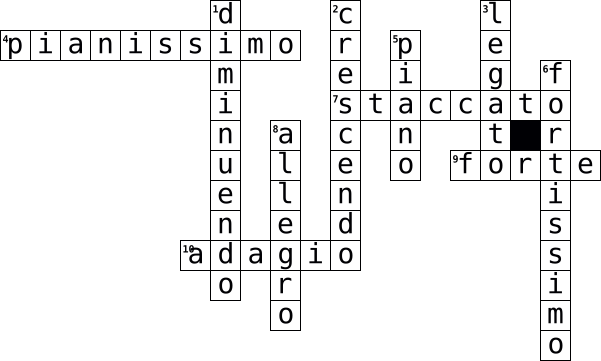


Introduction
Musical terms are the language musicians use to bring a composer’s intentions to life. Think of them as concise instructions—guiding tempo, dynamics, and articulation—that shape the character of a piece. Without these signposts, the music would be little more than notes on a page, lacking nuance and direction.
This article aims to demystify key musical terms often encountered in scores and discussions. We’ll explore what these words mean, how they influence the sound, and why they matter. Along the way, expect clear examples and a few insights that may surprise you. Because understanding these terms isn’t just for performers—it deepens how we all appreciate music’s subtle messaging.
Allegro
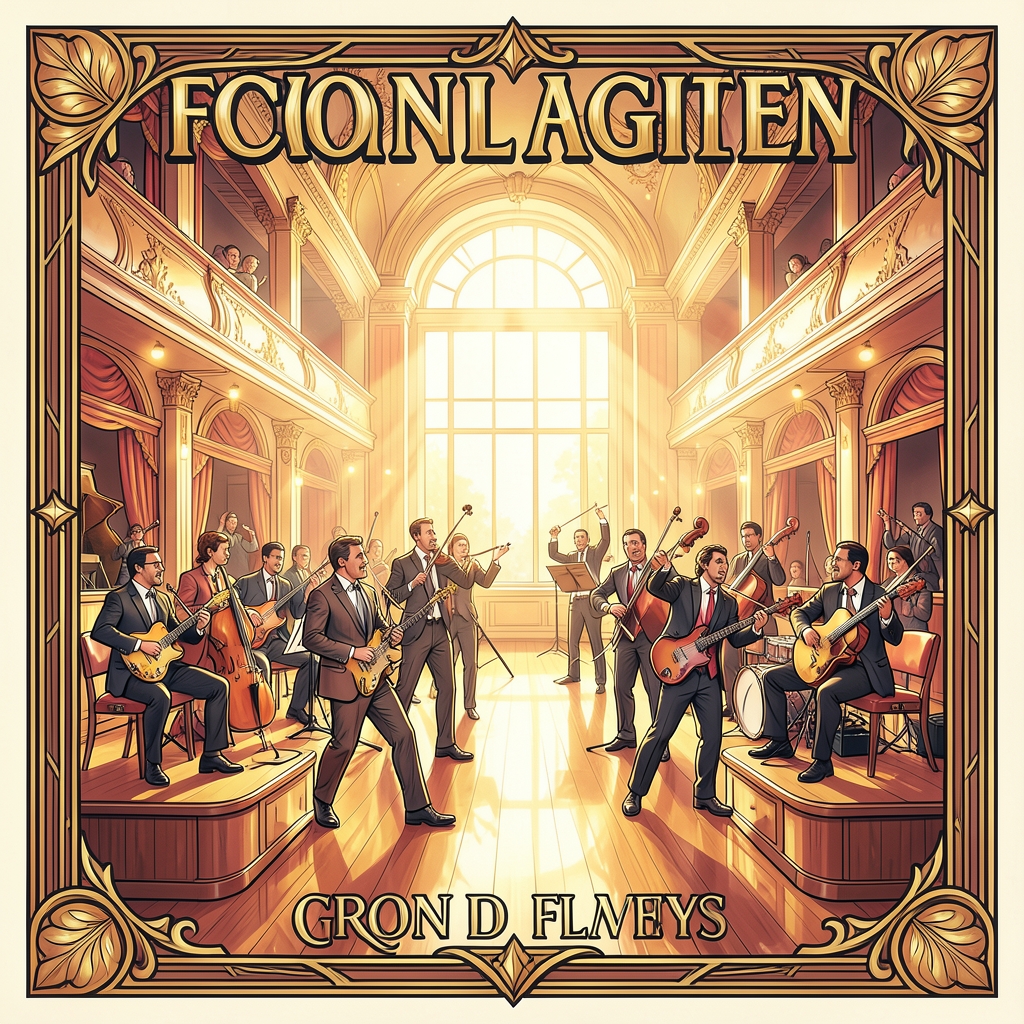
Allegro, simply put, means fast, quick, and bright. In terms of tempo, it typically runs between 120 and 168 beats per minute—think of a pace that feels lively but not rushed. When you hear “allegro” on a score, the composer invites the musician to bring energy and joy to the music, a spirited motion that enlivens the piece without sacrificing clarity.
This term often surfaces in upbeat sections, setting an animated, buoyant tone. Picture a bustling café scene or the effervescent chatter of a lively gathering—that is the essence allegro captures through sound. Consider Mozart’s symphonies or Vivaldi’s concertos, where allegro movements ripple with vitality, urging both players and listeners alike to embrace the moment’s spirited pulse.
Allegro is not just speed; it’s a mood—bright, cheerful, and full of life. Next time you encounter it, imagine the music as a conversation eager to engage, quick-witted and radiant.
Adagio
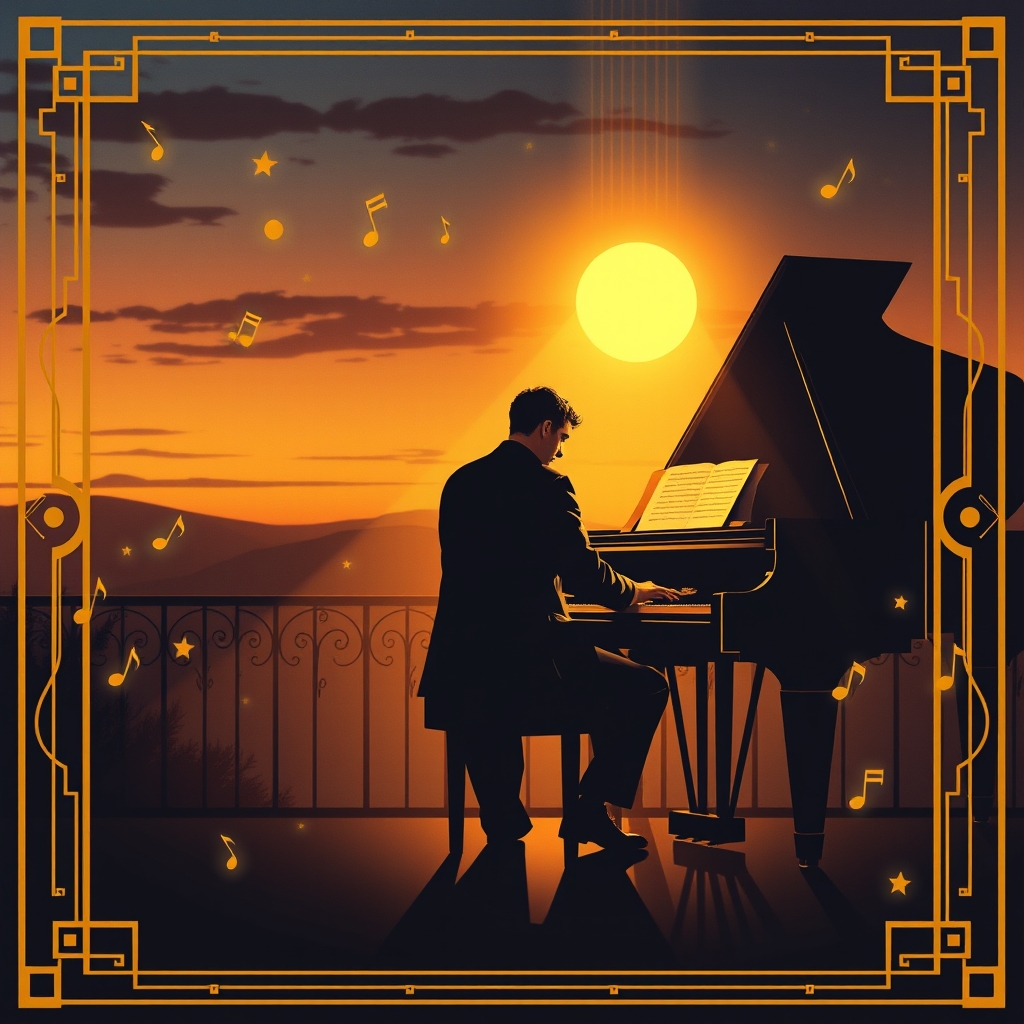
Adagio simply means “slow and stately.” It moves more deliberately than andante, inviting both performer and listener to linger in the moment. This tempo sets a calm, expressive pace that breathes with emotion rather than rushing ahead.
In practice, adagio passages evoke reflection and tenderness. They are the soulful heartbeats of a composition—spaces where melodies unfold with grace and subtle intensity. You might hear it in the opening movement of Beethoven’s “Moonlight” Sonata or the second movement of Barber’s “Adagio for Strings,” where each note feels weighted with feeling.
Adagio invites us to slow down, to listen deeply. It’s music that whispers rather than shouts, offering room for contemplation and heartfelt expression. In that pause, both musician and audience share an intimate dialogue shaped by time, touch, and tone.
Crescendo
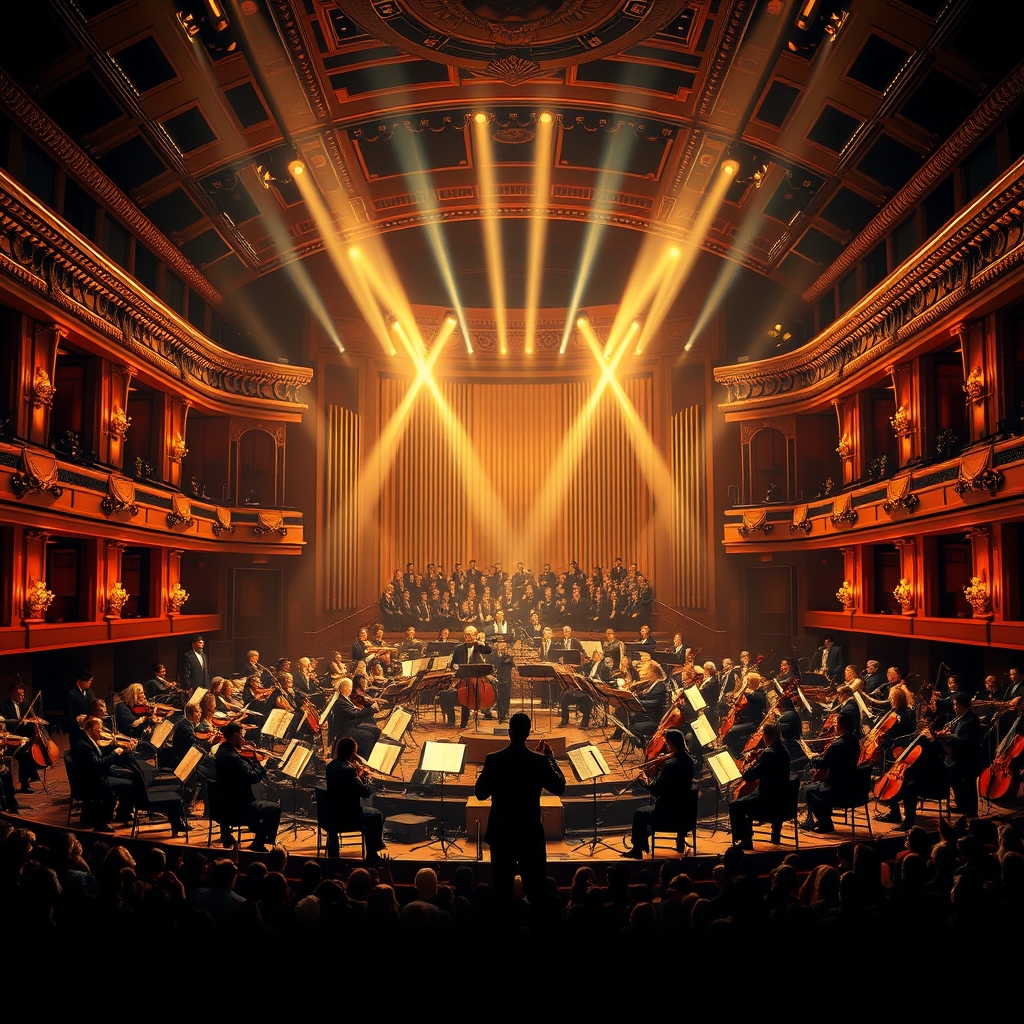
A crescendo is simply a gradual increase in volume. Imagine a whisper slowly swelling into a resonant call—it’s that intuitive climb in sound that captures attention and stirs emotion. Rather than a sudden burst, the crescendo allows music to build naturally, lending pieces a sense of unfolding drama.
This technique is vital for creating tension and release within a composition. It’s the musical equivalent of dawn breaking, light inching its way over a horizon, or a story gathering momentum toward its climax. By guiding listeners through rising dynamics, composers can shape emotional landscapes that feel immersive and alive.
Perhaps the most iconic example lies in Beethoven’s Fifth Symphony, where a crescendo bridges movements—the volume rising purposefully, pulling the audience forward with palpable intensity. This stirring build-up transforms anticipation into catharsis, a masterclass in dynamic storytelling without words.
In essence, the crescendo is a key that unlocks music’s emotional rise, inviting you to lean in and savor the journey as sound swells beautifully before your ears.
Diminuendo
Diminuendo means a gradual decrease in volume—a subtle fading away rather than an abrupt silence. Imagine a musical phrase gently sinking into the distance, like the last light of dusk softening the edges of a day. This decrease in sound can evoke calmness, resolution, or the tender closing of a passage.
Used thoughtfully, diminuendo invites listeners to lean in, catching the delicate hush that follows. It’s the musical equivalent of a whispered farewell, drawing attention through quiet rather than force.
A common misconception suggests that crescendo (growing louder) and diminuendo (growing softer) can occur simultaneously on the same note. In truth, this is impossible—sound cannot swell and diminish at once. Rather, these terms serve as clear guides to shaping a musical narrative, each commanding its own space in time.
Diminuendo is not just a technical directive; it’s a nuanced tool for storytelling, adding grace and dimension to music’s expressive palette.

Articulation: Staccato vs Legato
Imagine two conversations: one sharp and clipped, the other smooth and flowing. In music, this contrast comes alive through articulation—how notes are played or sung. Staccato and legato stand as pillars of this expressive craft, shaping mood and texture with simple intention.
Staccato means playing notes shortly and detached, like pearls dropped one by one onto velvet. Each note is crisp, distinct, punctuating phrases with a playful or urgent character. Think of the nimble steps of a dancer or the tapping of raindrops on a window. The effect is energetic, sometimes cheeky, adding spark and precision.
In contrast, legato calls for notes to be connected seamlessly, as if a single thread binds them together. Smooth and lyrical, legato phrases glide like a gentle river, coaxing the listener into a contemplative or romantic space. It invites you to breathe in the music as one sustained sigh, rather than a series of quick breaths.
While staccato cuts space between notes, creating emphasis and lightness, legato blurs those edges, offering warmth and continuity. Each changes the emotional temperature of a melody: staccato can excite or surprise; legato soothes and sweeps you away.
What makes these articulations fascinating is how they transform the very fabric of sound with the slightest change in touch or bowing. Even the simplest tune may feel entirely different when played staccato versus legato. It is a testament to music’s eloquence—that the same notes, arranged differently in time and space, speak in wholly distinct tongues.
In mastery, musicians weave between these styles, sculpting the invisible shapes of mood and meaning. So, next time you listen, ask yourself: are the notes stepping lightly apart or melting tenderly into one another? This subtle choice is where the soul of musical storytelling quietly resides.
Dynamics: Forte vs Piano
In music, dynamics shape the emotional landscape, and few terms are as fundamental as forte and piano. Simply put, forte means loud, while piano means soft. These directions guide musicians to play with varying volumes, infusing a piece with contrast and feeling.
Forte commands presence—think of it as the moment when music asserts itself boldly, projecting power and emphasis. It brings to mind the steady pulse of a marching band or the triumphant fanfare of a herald announcing a grand event. On the other hand, piano calls for intimacy and delicacy, inviting the listener into a tender whisper, a secret shared in hushed tones.
What distinguishes forte from piano isn’t just a vague sense of loudness or softness. In classical music notation, dynamics are often quantified by gradations. Forte sits comfortably above the mid-range volume, giving music strength without overwhelming the ear, whereas piano softens the tone enough to foster introspection or subtlety.
How much louder is forte compared to piano? While exact decibel differences depend on the instrument and setting, musicians perceive a notable shift—enough to alter the mood entirely. This dynamic dialogue fosters a nuanced performance, allowing compositions to breathe and pulse with life.
Next time you listen, notice how the shift from piano to forte subtly rewrites the story, stirring emotions from whisper to proclamation. It’s a delicate balance, the conversational dance of sound and silence that gives music its expressive grace.

Dynamics: Fortissimo vs Pianissimo
Fortissimo and pianissimo mark the poles of musical volume—one commanding, the other whispering. Fortissimo (ff) means “very loud,” pushing sound to bold, dramatic heights. It’s the moment a symphony roars to life, where emotions surge with undeniable power. In contrast, pianissimo (pp) signals “very soft,” inviting the listener into quiet, intimate spaces. These passages breathe delicacy and vulnerability, as if the music leans in to share a secret.
Why do composers employ such extremes? The answer lies in contrast—a fundamental tool to shape emotion and tension. Fortissimo can jolt the senses, offering climaxes that captivate, while pianissimo compels focus and reflection. Together, they contour the musical landscape, creating peaks and valleys that engage the soul.
Consider how these dynamics elevate storytelling: a sudden fortissimo might announce triumph or fury, while a tender pianissimo passage could evoke nostalgia or repose. Understanding these terms enriches listening—transforming passive sound into an expressive journey. Herein lies the subtle power of volume extremes, where silence and sound dance in eloquent balance.
Summary and Additional Resources
We’ve journeyed through some essential musical terms, each shaping how a piece breathes and speaks: Allegro’s spirited pace, Adagio’s gentle grace, Crescendo’s rising tide, and Diminuendo’s quiet retreat. We’ve also explored articulation—the crisp snap of Staccato versus the smooth flow of Legato—and dynamics, from the boldness of Forte to the subtle hush of Piano, reaching the extremes with Fortissimo’s thunder and Pianissimo’s whisper.
These terms are more than mere labels; they are the language of emotion and intention in music. Next time you listen to a symphony or even a simple melody, try to spot them weaving their magic. What mood does the tempo set? How does the dynamic shift affect your feeling? Such moments deepen your connection with the music’s soul.
For those eager to dive further, these thoughtfully curated resources offer clarity and context:
- Dive into Allegro’s lively spirit at Hello Music Theory.
- Experience Beethoven’s masterful Crescendo on Classic FM’s site.
- Clarify dynamic nuances between Piano and Forte via AskDifference.
- Understand contrasting extremes with Fortissimo and Pianissimo.
- And for myths and facts, FunTrivia’s quiz is both enlightening and delightful.
Embrace these insights as your companion in listening, letting every note—and every pause—reveal its story with newfound understanding. The music is waiting; will you listen more deeply?













-
 Jigsaw Puzzles
Elegant Pig Zodiac Watercolor Jigsaw Puzzle 250 | 300 | 500 Brikker
Price range: kr 348,00 through kr 439,00 Select options This product has multiple variants. The options may be chosen on the product page -
 Jigsaw Puzzles
Zodiac Series Tiger Ink Puzzle – Black and White Art 250 | 300 | 500 Pieces
Price range: kr 348,00 through kr 439,00 Select options This product has multiple variants. The options may be chosen on the product page -
 Jigsaw Puzzles
Art Nouveau Jigsaw Puzzle with Playful Dog in Scenic Landscape 250 | 300 | 500 Pieces
Price range: kr 348,00 through kr 439,00 Select options This product has multiple variants. The options may be chosen on the product page