
Introduction
Imagine a single line of notes weaving through silence like a whispered secret — that’s melody, the beating heart of music. It’s the thread you hum on your morning walk, the shape your emotions take when words fall short. Melody isn’t just sound; it’s the story told in rises and falls, pauses and bursts, the invisible path your ear follows.
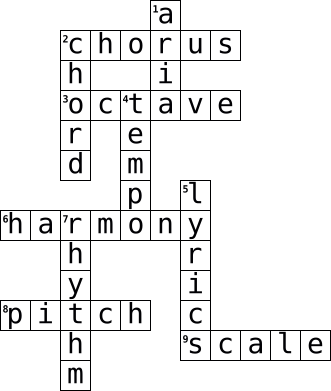
At its core, melody is a sequence of tones arranged in time, creating a recognizable and memorable tune. Unlike harmony, which is the rich layering of multiple notes at once, or rhythm, the steady pulse that moves music forward, melody stands alone as the narrative voice. It’s what stays with you after the song ends, the part you catch yourself singing hours later.
Think of harmony as the colorful backdrop, rhythm as the heartbeat, but melody—the melody—is the soul’s call. It pulls at something deep inside, inviting you into a personal experience that can be as simple as a lullaby or as complex as a symphony’s aria.
Why does melody matter so much? Because it speaks in a language older than words. It’s where music becomes feeling, where structure dissolves into emotion. Melody is not just heard; it’s felt, remembered, brought to life again every time you listen. And in the dance between melody, harmony, rhythm, and even lyrics, it remains the guiding line, the emotional compass that makes music resonate with the human heart.
The Relationship Between Melody and Harmony
Picture melody as the bold brushstroke cutting across a canvas, and harmony as the subtle hues that give it depth and emotion. Harmony is what cushions, supports, and sometimes challenges a melody, weaving a richer tapestry from what might otherwise be a simple line of notes.
At its core, harmony is the combination of different tones sounding together—usually as chords—that create a backdrop for the melody to stand out against. Think of it as the musical soil where the melody’s roots dig deep. These chords often use notes drawn from scales that define the mood—major for brightness, minor for melancholy—but there’s room for surprises. When a melody steps outside these norms with “off” notes that don’t quite fit the underlying chord, it sparks tension, curiosity, and release. That friction is what keeps our ears engaged, inviting us to lean in.
When melody and harmony entwine, they don’t just fill space; they sculpt it. Harmony shapes how the melody feels—warm, cold, tense, or smooth—like lighting changing a scene’s atmosphere. Picture a simple four-note melody singing over a lush chord progression: the chords paint the emotional shadows beneath the melody’s bright outline, turning a straightforward tune into an evocative experience.
Harmony also guides the listener’s emotional journey, sometimes gently cradling the melody, other times pushing it to unexpected places. This relationship is a dance of give-and-take. Without harmony, melody risks feeling bare, and without melody, harmony can drift without clear direction. Together, they create the emotional heartbeat of music—simultaneously familiar and alive with possibility.
Melody, Rhythm, and Tempo: The Pulse of Music
Rhythm is the heartbeat beneath the melody, the steady footstep that shapes how melody breathes and moves. Imagine a melody without rhythm—it floats aimlessly, like a whispered secret without a pulse. Rhythm gives melody its shape, its motion. It’s the pattern of beats and silences that guides the notes, making them feel alive rather than just a series of pitches. A syncopated rhythm can jolt you awake; a slow, dragging pulse can make you feel the weight of time itself.
Tempo, the speed of that heartbeat, colors the emotional landscape of a melody. A fast tempo ignites energy and urgency—think of rushing rivers or a racing heartbeat. Slow tempos, in contrast, evoke reflection, melancholy, or intimacy, like twilight dripping over a quiet room. When the tempo shifts, it feels like the emotional air itself is changing. Faster, the melody might burst with excitement; slower, it can stretch and sigh, inviting you into its depths.
Today, AI is stepping into this dance, not just following rhythmic rules but inventing new patterns, weaving unexpected tempo changes that surprise and engage the listener. In 2026, algorithms are composing melodies with complex, shifting rhythms and tempos that mimic the ebb and flow of human emotion—sometimes unpredictable, always compelling. This new frontier lets music breathlessly pulse between structured beats and wild improvisation, blurring the lines between machine and human creativity.
What does this mean for melody? It means that rhythm and tempo are no longer just the frame—they are co-creators of the emotion we feel. They turn simple notes into stories that move us, sometimes softly, sometimes like a storm. And as AI learns this intricate dance, melodies gain new dimensions, inviting us to feel—and to imagine—like never before.
The Role of Pitch, Scale, and Octave in Melody
Pitch and scale are the quiet architects behind every melody you find yourself humming. Pitch—the highness or lowness of a sound—is like the color palette an artist chooses. It sets the mood, the tension, and the release. Scales, then, are the frameworks that guide those pitches, like a set of rules or pathways that help melodies find their shape.
Imagine a scale as a ladder made of sounds. Each step you climb or descend opens up new emotional possibilities. A major scale feels bright, open, like sunlight spilling through leaves. A minor scale dips into shadow, casting a feeling that is wistful, sometimes haunting. These patterns don’t just limit a melody; they define its character, giving it a voice that feels familiar yet infinitely varied.
Now, picture octaves as mirrors in this soundscape—a note repeated at a higher or lower pitch, but somehow staying “the same.” This phenomenon, called octave equivalence, means your brain recognizes a note’s essence even when it shifts up or down the scale. It’s why a melody jumping an octave can jolt your senses, adding spice or weight without breaking the thread of recognition.
Musicians use octave leaps like sudden flashes of light—a breath caught, a moment of surprise. Think of a singer moving from their warm chest voice to a soaring falsetto. The shift isn’t just about pitch; it’s about emotion, a way to reach deeper into the listener’s heart. That jump can spark tension, then resolve it as the melody returns to familiar ground.
In this interplay of pitch, scale, and octave, melody becomes more than sound. It becomes a vivid landscape you can traverse — moments of calm, bursts of excitement, a language without words that speaks directly to the soul.
Lyrics and Melody: Creating Emotional Resonance
There’s a subtle dance between melody and lyrics that feels less like a formula and more like a conversation—one where both partners speak a language that touches something deep inside. Melody alone can stir emotions: a rising note like a hopeful breath, a lingering pause like a sigh. But when words join in, they give shape and color to those feelings, grounding abstract sound in stories and images we recognize.
Think about the first time a lyric hit you hard—maybe a phrase that mirrored your own ache or joy. That is no accident. Lyrics often pull at our emotions more sharply than melody alone because they connect directly with meaning and memory. They weave narratives, evoke places, trace memories. Melody wraps these stories in warmth, guiding us through the emotional landscape without saying a word. Together, they unlock a space where feeling becomes unmistakable.
The art of blending lyrics with melody lies in balance. The phrasing of words must dance with the melodic shape—sometimes stretching over notes like a gentle wave, sometimes snapping short and crisp like a heartbeat. This relationship carries the meaning of lyrics beyond words alone. A single melodic rise can transform a simple line into a moment of longing; a sudden drop can twist a phrase into something mournful or intimate.
There’s a common myth that choruses must always be the “catchiest” part of a song, a bright and bouncing centerpiece that sticks in your head. But in the hands of skilled songwriters, emotional impact often takes precedence. A chorus that slows, softens, or surprises might connect more deeply than one that’s merely loud or repetitive. This is the quiet rebellion of melody and lyrics working together—breaking expectations to create resonance that lingers long after the last note fades.
So, when listening next time, pay attention not just to the tune but the story it tells. Notice how melody curls around the words, how it lifts or sinks with them, how the two entwine to speak directly to your heart. That’s where music becomes more than sound—it becomes an echo of our own emotion, inviting us into a shared experience beyond language.
Case Studies: Melody Driving Emotional Impact in Popular Music
There’s a kind of magic when a melody lingers—when it slips under your skin and stays there, stitching itself into memory with threads of feeling. Take Adele’s Someone Like You. That gentle, aching line isn’t just notes moving up and down; it’s vulnerability poured out like rain, raw and honest. The melody doesn’t shout; it whispers, catches a fragility that words alone can’t hold. You feel it in the soft rise and fall, the space between each phrase, as if the song is breathing alongside you.
Or think about Coldplay’s Fix You—that slow-building melody, first tentative, then swelling like a tide. It mirrors the journey from sorrow to hope without a single word needed to say it. The melody acts like a guide, leading you through the emotional landscape where the heart cleaves open and, somehow, begins to heal.
These moments don’t happen by accident. Songwriters like Max Martin have a deep intuition for crafting melodies that tap directly into the well of human experience. His approach isn’t just about catchy hooks but building melodic arcs that carry stories—sometimes a whisper, sometimes a roar. By shaping melodies that rise and fall like the breath of a conversation, they invite listeners into the narrative, making the music feel personal and alive.
The secret lies in balance: too predictable, and the melody becomes background noise; too erratic, and it loses connection. The greats find the sweet spot where melody mirrors emotion with just enough tension and release. It’s like painting with sound—the deliberate choice of notes, rhythmic placement, and phrasing all feeding into the emotional pulse.
So next time a song moves you, listen beyond the lyrics. Let the melody speak its own language, raw and unfiltered. It’s often the melody that carries the soul of a song, winding through your senses like a brushstroke that lives long after the music fades.
Conclusion
Melody is the heartbeat of music—the thread that weaves through harmony, rhythm, lyrics, and emotion, stitching them into something that moves us. It’s where notes stop being just sounds and start telling stories, whispering secrets, or shouting joy. Harmony wraps around it like a warm cloak, rhythm sets its pace like footsteps on a trail, and lyrics give it a voice that speaks straight to the soul.
As music evolves, especially with AI stepping onto the stage, melodies are stretching beyond what we once imagined. They’re experimenting with new patterns, tempos, and textures, blending human feeling with digital creativity. But at its core, melody remains familiar—a language that transcends time and technology, inviting us in to feel, reflect, and connect.
So next time a song catches your breath or lingers in your mind, listen closer. Trace the melody’s journey, feel the spaces between notes, and let yourself be carried. Because in those moments, you’re not just hearing music—you’re living it. And that’s where its true power lies.












-
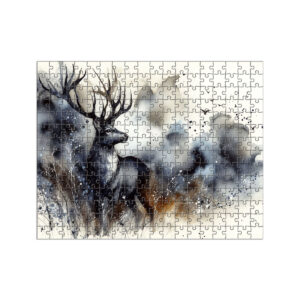 Jigsaw Puzzles
Majestic Stag Watercolor Jigsaw Puzzle 250 | 300 | 500 Pieces
Price range: kr 348,00 through kr 439,00 Select options This product has multiple variants. The options may be chosen on the product page -
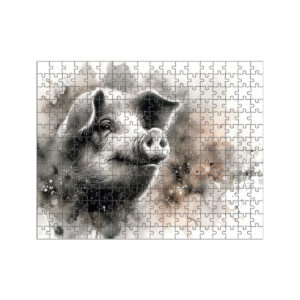 Jigsaw Puzzles
Elegant Pig Zodiac Watercolor Jigsaw Puzzle 250 | 300 | 500 Brikker
Price range: kr 348,00 through kr 439,00 Select options This product has multiple variants. The options may be chosen on the product page -
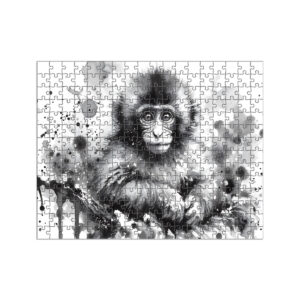 Jigsaw Puzzles
Zodiac Ink Art Puzzle: The Playful Monkey 250 | 300 | 500 Pieces
Price range: kr 348,00 through kr 439,00 Select options This product has multiple variants. The options may be chosen on the product page