
Introduction
There’s a quiet rhythm to farm life, marked by the steady presence of animals that have been our companions for centuries. Livestock — from the lowing cow to the clucking chicken — isn’t just a part of agriculture; it’s woven into the story of human survival and community. These creatures feed us, clothe us, and work alongside us, carrying traditions in their hooves and feathers.
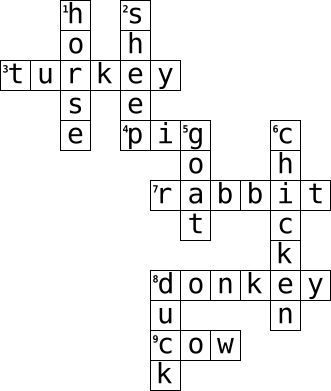
When we say “livestock,” we’re talking about those animals raised on farms and homesteads to support our daily lives — cows, goats, horses, sheep, pigs, chickens, donkeys, ducks, turkeys, and rabbits. Each species holds a unique place, not only for the products they provide but for the roles they play in keeping the land healthy and the farmstead alive with purpose.
This article is a gentle tour into that world. We’ll uncover what sets these animals apart, celebrate their contributions to sustainable farming, and share how embracing their natural gifts can reconnect us to simpler, more meaningful ways of living. So, pull up a chair, maybe pour yourself a cup of tea, and let’s get to know these four-legged, feathered, and furry friends who make the countryside hum.
Section 1: Cows – Pillars of Sustainable Farming
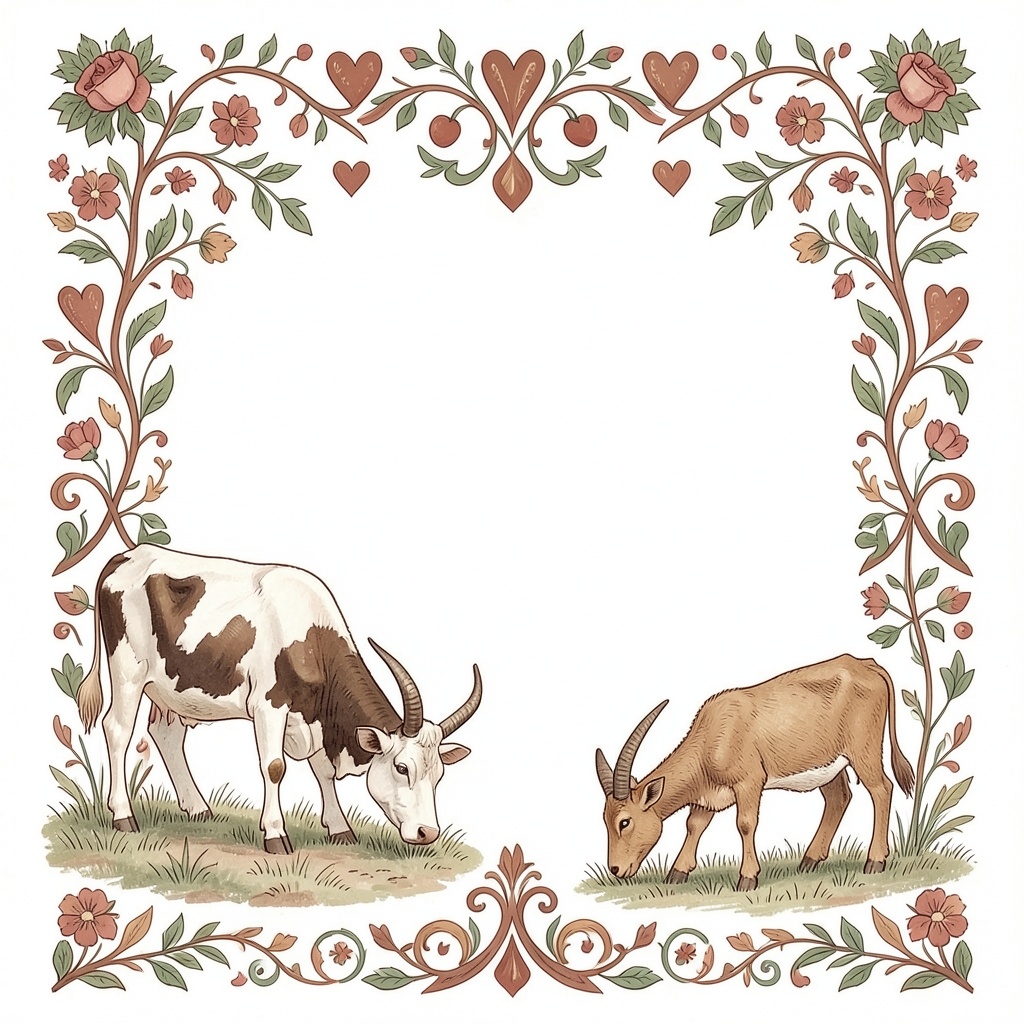
There’s something quietly steady about cows—those gentle giants who have been by our side for thousands of years. Long before the hum of tractors or the buzz of machines, cows carried the weight of farm life. They didn’t just provide milk or meat; they were the heart of a working farm, pulling plows, nourishing soil, and helping keep pastures vibrant.
Cows have a knack for more than just grazing. When paired with goats in mixed grazing systems, they become partners in pasture health. Goats nibble brush and weeds, while cows trim the grass, creating a balanced diet for the land itself. This dance of animals helps prevent overgrowth and encourages diverse plant life to flourish, reducing the need for chemical interventions. It’s a simple way to let nature take its course, guided by thoughtful hands.
Beyond the pasture, cows lend their gifts to the soil. Their manure isn’t just waste—it’s natural fertilizer, slowly releasing nutrients that feed the earth beneath our feet. Spread it right, and it acts like a gentle rain of sustenance for crops and garden beds alike. On some farms, cows even play a role in pest control, their movement disturbing insects and giving beneficial bugs room to thrive.
Living alongside cows teaches patience and respect—qualities that echo through every sustainable farm. It’s a reminder that farming isn’t just about yield or profit, but about weaving a steady thread of life through the seasons. So next time you watch a cow amble across a field, remember that beneath that calm exterior, there’s a whole world of quiet work making the farm hum.
Section 2: Goats – Intelligent and Social Companions
There’s something quietly charming about goats—the way their curious eyes brighten at a familiar voice, or how they tilt their heads as if pondering a country riddle you just told them. Goats have been with us for over 11,000 years, long before sprawling cities and fast machines, quietly shaping the course of early farming life. They’re more than just nibblers on the field; they are lively partners who understand us in a way that feels personal and real.
Goats are surprisingly smart and deeply social. They listen closely to human voices, often recognizing their owner’s call and responding with an eager bleat or a gentle nudge. This emotional responsiveness isn’t just heartwarming—it’s practical. Farmers who take the time to know their goats find the animals less stressed, easier to handle, and more willing to cooperate, making daily chores feel less like work and more like friendly visits.
Beyond their personalities, goats bring gifts to the farm that go beyond milk and meat. They learn from each other, picking up new habits and skills through social learning—just like folks swapping stories by the fireside. This knack for learning means they adapt quickly to new environments or grazing routines, helping keep pastures in better shape. When goats and cows share the same fields, for example, their different eating habits work in harmony, trimming weeds and promoting healthier grass growth. It’s a simple dance of nature, reminding us that caring for the land and creatures together brings out the best in both.
So, when you think of goats, picture more than their playful jumps or their funny bleats—they’re thoughtful companions, steady partners of the land, and messengers of a farming tradition that values connection, care, and a good story shared beneath open skies.
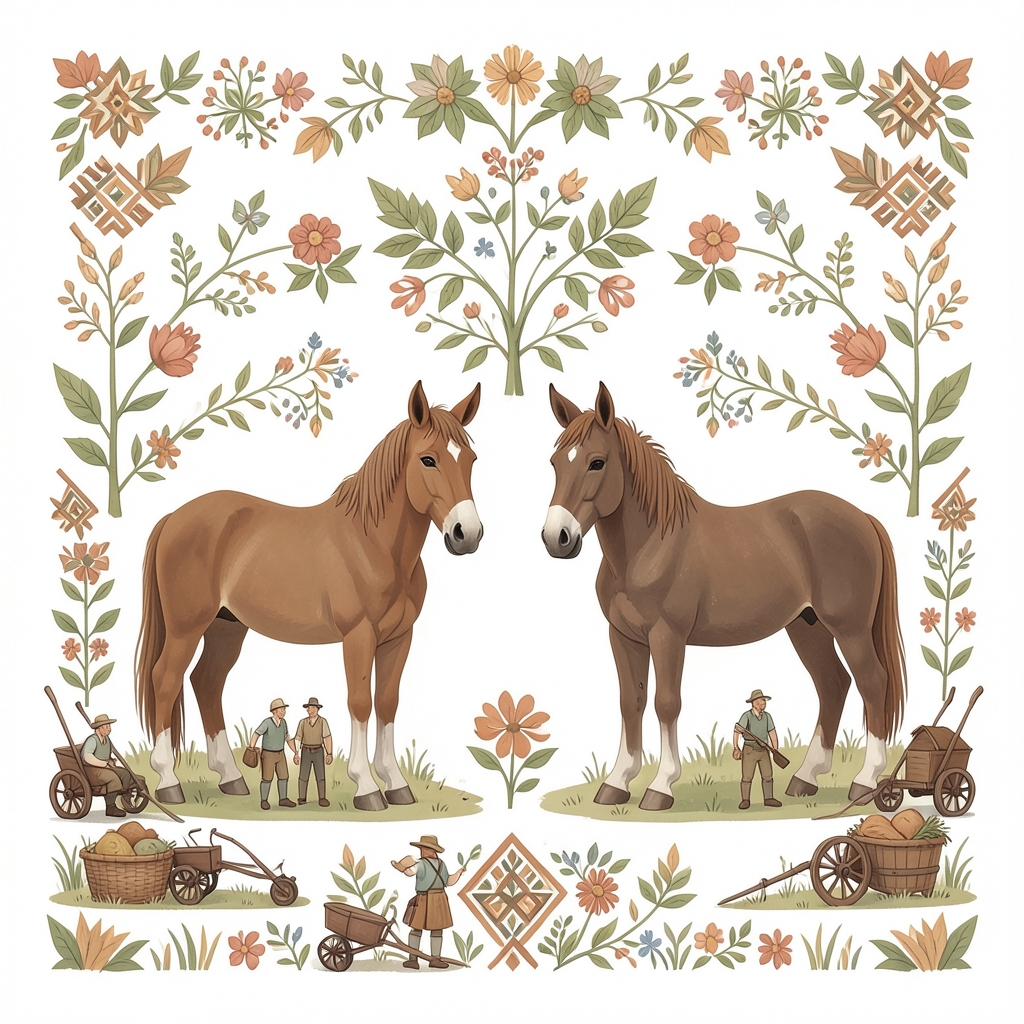
Section 3: Horses and Donkeys – Loyal Workers and Protectors
There’s something quietly heroic about horses and donkeys that’s woven deep into farming life. Picture a weathered farmer, hands calloused and heart full, gently tending to a gentle horse rescued from hard times. These animals carry more than weight—they carry stories of resilience and trust.
Many farmers find themselves on a mission beyond just raising livestock. They become guardians, rescuing horses and donkeys from neglect and giving them a second chance. These animals repay kindness with steady companionship and tireless work, reminding us that farming is as much about care as it is about harvest.
Donkeys, in particular, have earned a special place alongside livestock. Known for their calm but alert nature, they serve as natural protectors. With an instinct for sensing danger and a fierce loyalty, donkeys guard sheep, goats, and even poultry from prowling predators. Their presence can ease the farmer’s mind during quiet nights when the shadows stretch long over the fields.
Adding donkeys to a farm isn’t just about protection—it’s about balance. They need little fuss and fit harmoniously with sustainable farming methods. Their gentle hooves tread lightly, and their curious eyes watch over the pasture, embodying a steady rhythm that’s good for the soil and heart alike.
So, when you think of horses and donkeys, think of more than just beasts of burden. They’re true partners—resilient, caring, and quietly heroic—living proof that farming is built on relationships as much as labor.
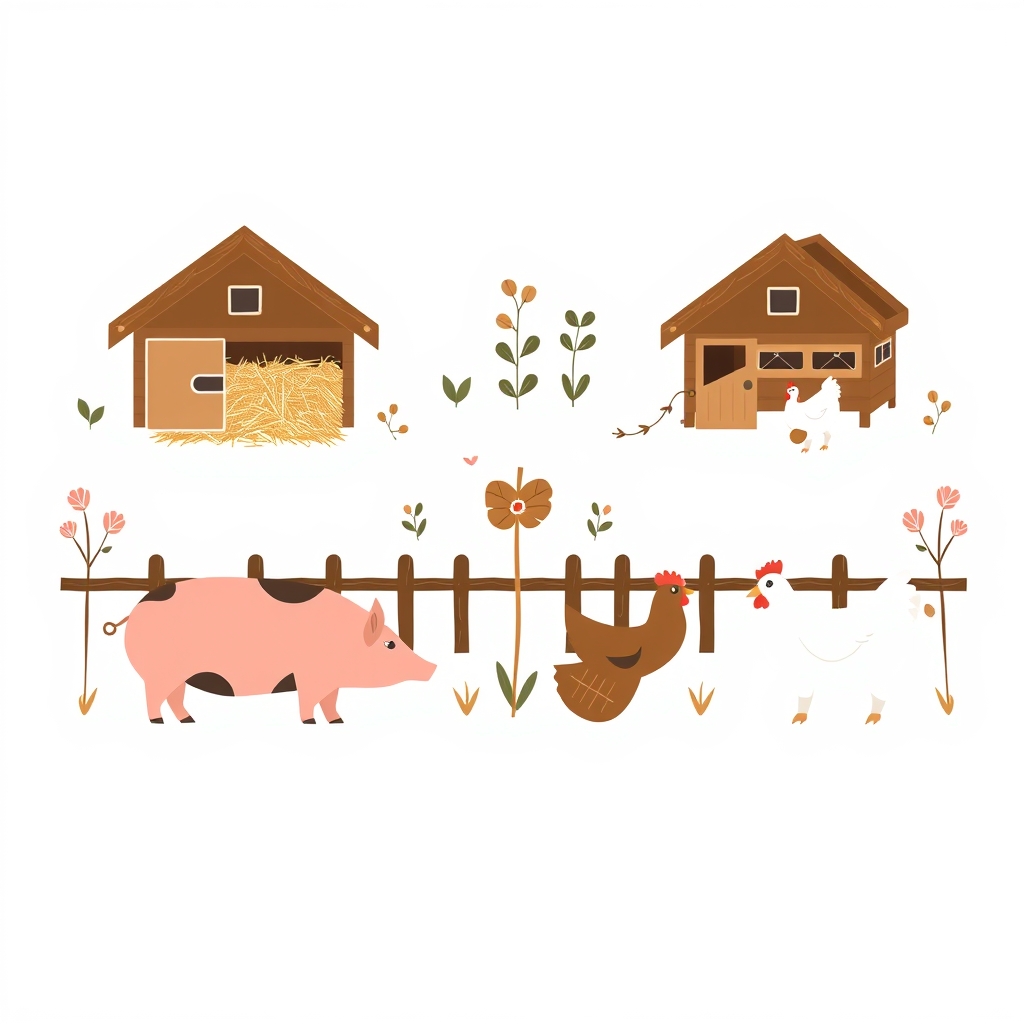
Section 4: Pigs and Chickens – Efficient and Modern Livestock
There’s something quietly powerful about raising pigs and chickens well. It’s not just about the food they provide, but how they fit naturally into a healthy farm rhythm. Think of a warm spring morning, the earthy scent of fresh straw mingling with the soft clucks and gentle oinks—these animals bring life and purpose to the homestead.
First off, housing matters. Pigs need sturdy shelters with plenty of fresh bedding—a cozy nook to curl up in after a day of rooting through soil. Chickens, on the other hand, thrive in well-ventilated coops that let in soft daylight and keep predators at bay. Both animals benefit from spaces that feel safe and natural, where they can move freely. It’s not just comfort; it’s their health and happiness rolled into one.
Nutrition is another cornerstone. Pigs flourish on a balanced diet with the right mix of grains and vegetables, while chickens need a protein-rich feed with occasional treats like cracked corn or garden scraps. When you see them pecking and rooting happily, you know you’re doing right by them. Healthy animals grow strong and give back abundantly—whether that’s in eggs, meat, or the rich, fertile manure that feeds your garden.
And speaking of care, regular check-ups and simple veterinary attention keep illness at bay. It’s easy to overlook these basics when you’re caught up in daily chores, but a bit of preventative care saves plenty of worry down the road.
Now, modern farming isn’t just about old routines. Technology is stepping in quietly, like a helpful hand. From apps that monitor animal health to automated feeding systems that reduce stress—for both farmer and livestock—these tools gently boost the farm’s efficiency. They don’t replace hard work; they support it, making sure animals stay calm and well cared for while easing the farmer’s load.
In the end, raising pigs and chickens well is a blend of time-honored practices and thoughtful innovation. It’s about meeting their needs with care and respect, so they return that trust with steady, wholesome productivity. And that, truly, is the heart of efficient, modern livestock farming.
Section 5: Rabbits – Myths and Realities
There’s something quietly charming about rabbits—those soft, twitchy-nosed creatures that hop like little woodland sprites around the garden. But behind their gentle faces, rabbits are often misunderstood folk in the homestead world. Let’s pull back the curtain on some common rabbit myths and see why these humble animals have earned their place in small-scale farming.
First off, the idea that rabbits belong in tiny hutches is one we can gladly set aside. A rabbit’s spirit, much like ours, thrives when it has room to stretch, hop, and frisk in the fresh air. Think of a lively spring morning when the breeze carries the scent of wildflowers and the ground feels soft underfoot—that’s the kind of space a rabbit needs. Cramped quarters can lead to stress and health issues, so if you’re welcoming rabbits to your farm or backyard, plan for plenty of open space, a cozy shelter, and spots to dig or nibble on greenery.
Now, beyond their cuteness, rabbits bring more to the table than you might expect. For small-scale farmers, these nimble herbivores offer a quiet, efficient way to produce nutritious meat and fertilizer. Their droppings are a rich, natural soil enhancer—no need for fancy compost machinery here. Raising rabbits requires a gentle touch and some knowledge, but it’s a craft with roots in traditions that cross cultures and centuries. In tight-knit rural communities, rabbits have been trusted companions that quietly supported families through lean seasons.
So, whether you’re dreaming of a modest homestead or just want a new friend with soft fur and a lively personality, rabbits deserve a spot in your plans. They remind us that sustainable farming isn’t about the biggest or the loudest animals—it’s about fitting well-loved creatures into the rhythm of the land, nurturing both soil and soul with a little patience and a lot of care.
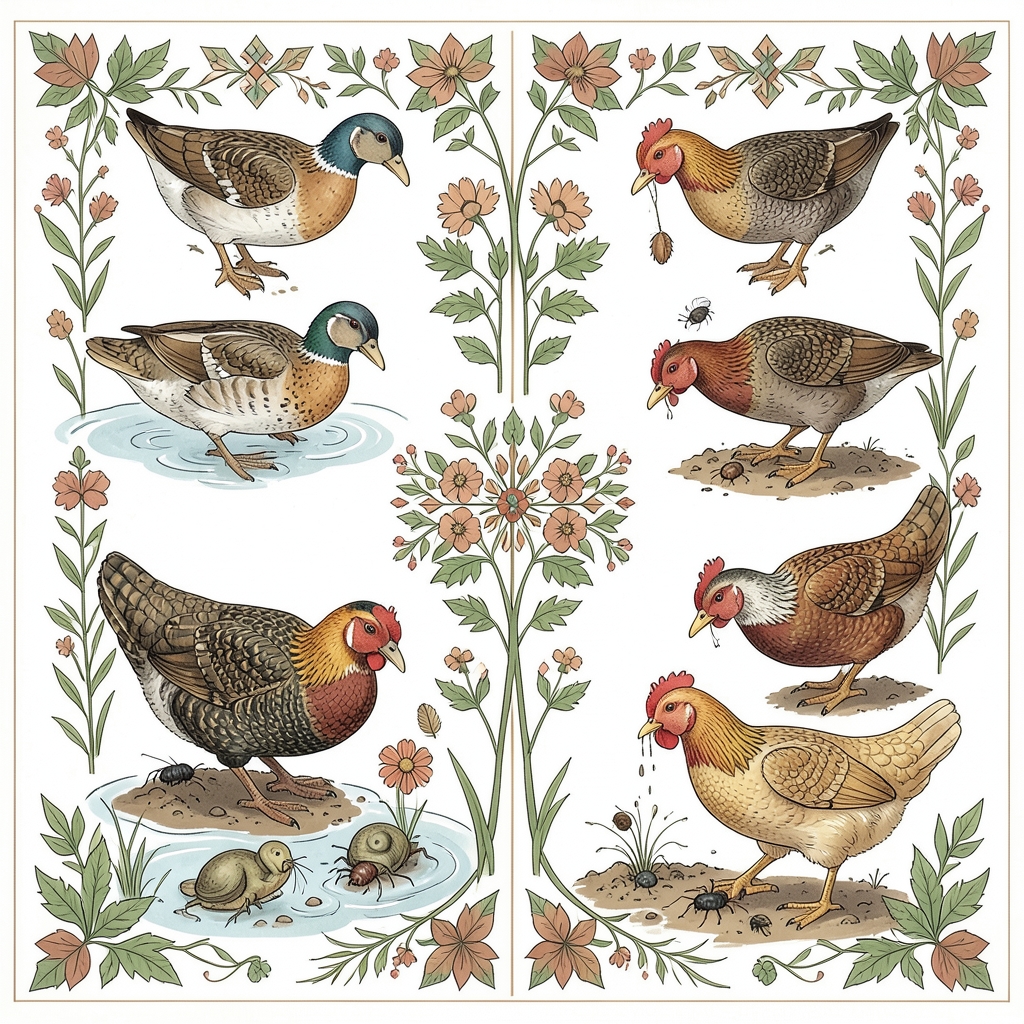
Section 6: Poultry – Ducks, Turkeys, and Chickens as Natural Pest Controllers
There’s a certain rhythm to early mornings on a farm—dew still clinging to blades of grass, soft clucks and quacks weaving through the crisp air. It’s in these quiet moments that ducks, turkeys, and chickens show their real worth beyond just feathers, eggs, and meat. These birds are nature’s tiny pest patrol, busy at work keeping your garden and pastures healthy.
Turkeys are surprisingly good at gobbling up ticks and other pesky insects. They have a knack for hunting down bugs that can carry diseases for both animals and humans. It’s like having a vigilant watchman roaming the farm freely, cutting down the need for chemical pesticides. Ducks are equally handy—especially for munching on slugs and snails that tend to wreak havoc in wet, leafy patches. When the sun shines and the ducks wade through soggy corners, they’re on a mission to clear out those slimy little invaders.
Chickens, of course, are the all-rounders. Their scratching and pecking might look casual, but it’s purposeful. As they peck through the soil, they turn over leaf litter, uncovering bugs and grubs hiding beneath. This natural foraging not only keeps insect numbers in check but also helps aerate the soil, stirring life into the earth for plants to thrive. Give a chicken a patch of earth, and it’ll tell you a story of balance—where nothing goes to waste and everything plays its part.
What’s more, letting these birds roam among your crops isn’t just good for pest control; it’s gentle on your wallet too. Fewer bugs mean less need to spend on insecticides or elaborate feeds to combat pest damage. It’s a simple, old-fashioned partnership between farmer and feathered friend—one that taps into the wisdom of how farms have thrived for generations.
So next time you hear the call of ducks paddling through a pond or chickens clucking at the garden’s edge, remember: they’re not just farm ornaments. They’re a living, breathing part of your team, helping turn the land into a vibrant, well-balanced quilt of life—one bug at a time.
Section 7: Sustainable Livestock Practices and Trends
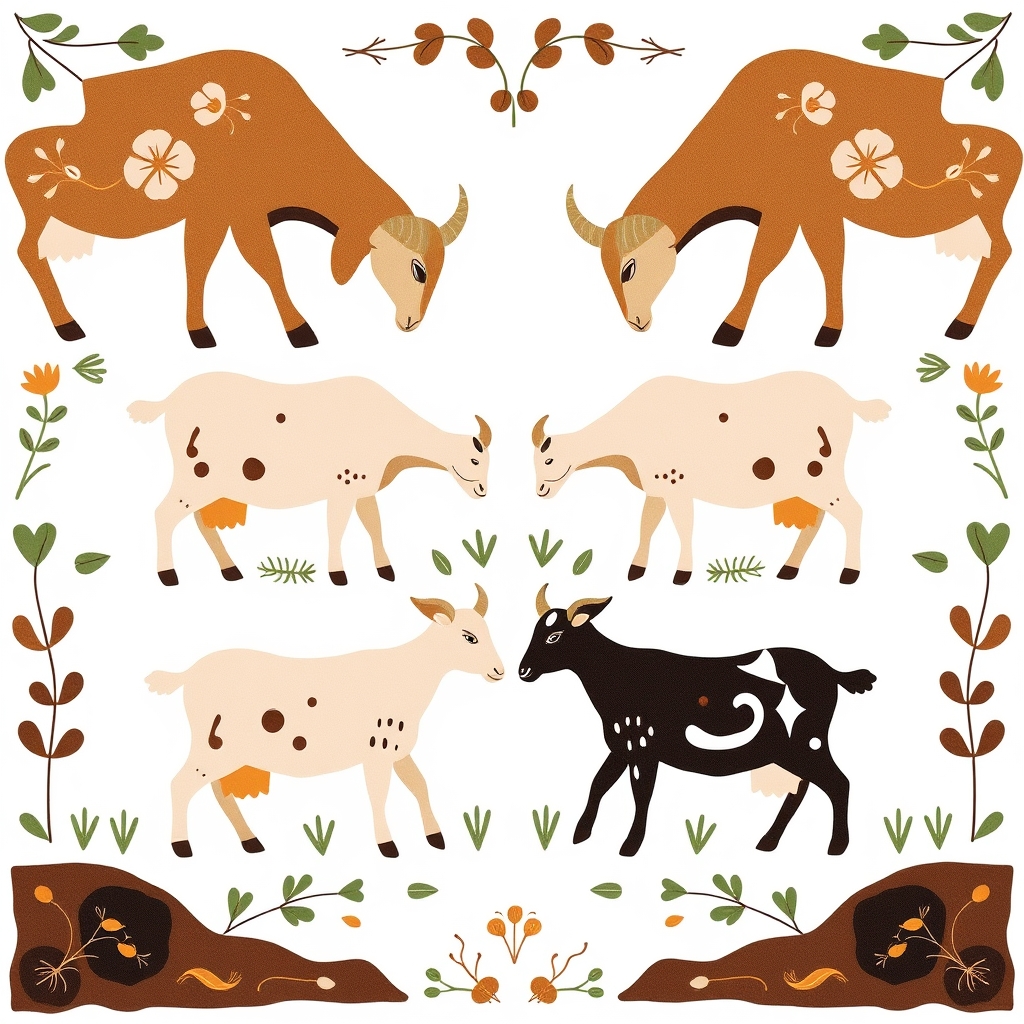
There’s something quietly powerful about watching cows and goats share a pasture—each nibbling in their own way, turning a patch of grass into healthy soil and steady growth. This old-fashioned dance of mixed grazing isn’t just a story from the past; it’s a practical, proven way to keep land vibrant. When goats browse on brush and weeds, they make room for cows to feast on grass without the pasture turning wild or bare. Together, they create a balanced meal for the land itself, reducing the need for chemical inputs and keeping the ecosystem humming along.
Beyond pasture health, livestock bring more gifts to the table. Their manure is nature’s slow-release fertilizer, richer and more nuanced than any bag from the garden store. That natural fertilizer feeds not just plants, but the tiny communities of earthworms and microbes beneath the soil — the very foundation of fertile ground. And in a world that’s ever watchful of pesticides and synthetic solutions, animals help with natural pest control, nibbling away at pests or disturbing insect habitats, tipping the scales in favor of a healthy farm.
While sun and soil still tell the oldest stories, the new chapters of sustainable farming are written with a touch of technology. Digital tools and sensors now help farmers keep an eye on animal health and well-being without disturbing their peaceful routines. Imagine checking the temperature or tracking grazing patterns right from your phone, giving you gentle nudges when something needs attention. These innovations don’t replace hard work and care; they simply give farmers more eyes and ears, helping to spot little troubles before they grow.
In embracing both time-tested traditions and thoughtful innovation, sustainable livestock farming connects us to the rhythm of the land — grounded, humble, and ready to carry the future. It’s an invitation to slow down, roll up your sleeves, and work with nature rather than against it. Because in those quiet pastures and under warm barn roofs, the heart of farming beats steady and strong.
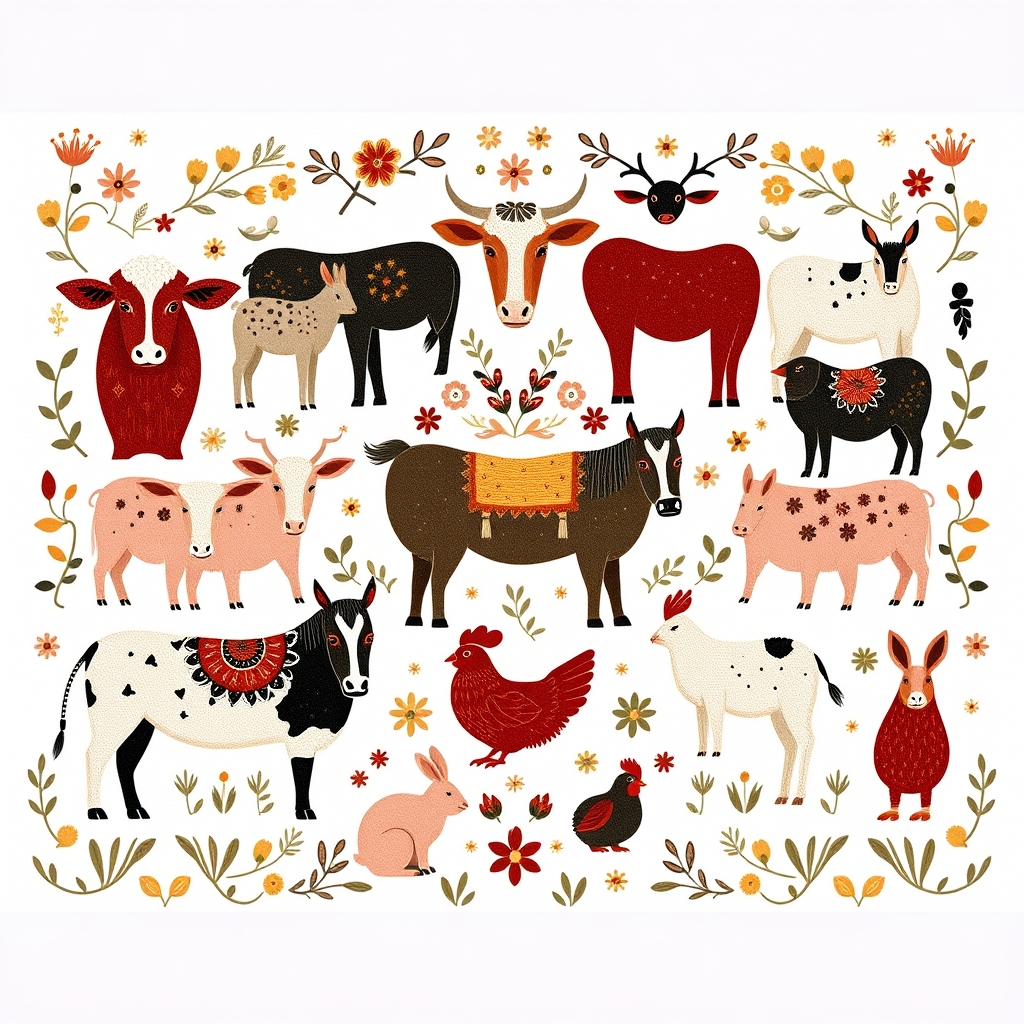
As the sun sets over a well-tended pasture, it’s worth taking a quiet moment to appreciate the vital roles our livestock play. From the patient cows that enrich the soil with gentle steps and natural fertilizer, to the clever goats whose nimble mouths help keep brush in check, each animal brings its own kind of magic to the farm. Horses and donkeys offer loyal companionship and protection, while pigs and chickens efficiently turn scraps into nourishment, filling our tables and our barns with life. Even the humble rabbit, often misunderstood, quietly contributes to small-scale farming’s delicate balance.
Together, these creatures form a web of cooperation and care, sustaining not just the land, but the traditions and rhythms that tie us to the earth. Embracing sustainable livestock farming isn’t about perfection or fancy technology alone—it’s about listening to the land, respecting each animal’s nature, and weaving their strengths into a story as old as time. It’s a gentle, steady path that invites us all to slow down, roll up our sleeves, and find joy in simple, enduring stewardship.
If this sparks a bit of curiosity or a longing to learn more, take a stroll through the sources we’ve gathered, or perhaps visit a local farm where you can see these animals thriving firsthand. After all, caring for livestock isn’t just a way to work the land—it’s a way to feel truly at home in it.













-
 Jigsaw Puzzles
Charming Hamster Art Nouveau Jigsaw Puzzle 250 | 300 | 500 Pieces
Price range: kr 348,00 through kr 439,00 Select options This product has multiple variants. The options may be chosen on the product page -
 Jigsaw Puzzles
Cozy Art Nouveau Cat Puzzle 250 | 300 | 500 Pieces
Price range: kr 348,00 through kr 439,00 Select options This product has multiple variants. The options may be chosen on the product page -
 Jigsaw Puzzles
Art Nouveau Jigsaw Puzzle with Betta Fish in Lush Garden Scene 250 | 300 | 500 Pieces
Price range: kr 348,00 through kr 439,00 Select options This product has multiple variants. The options may be chosen on the product page