

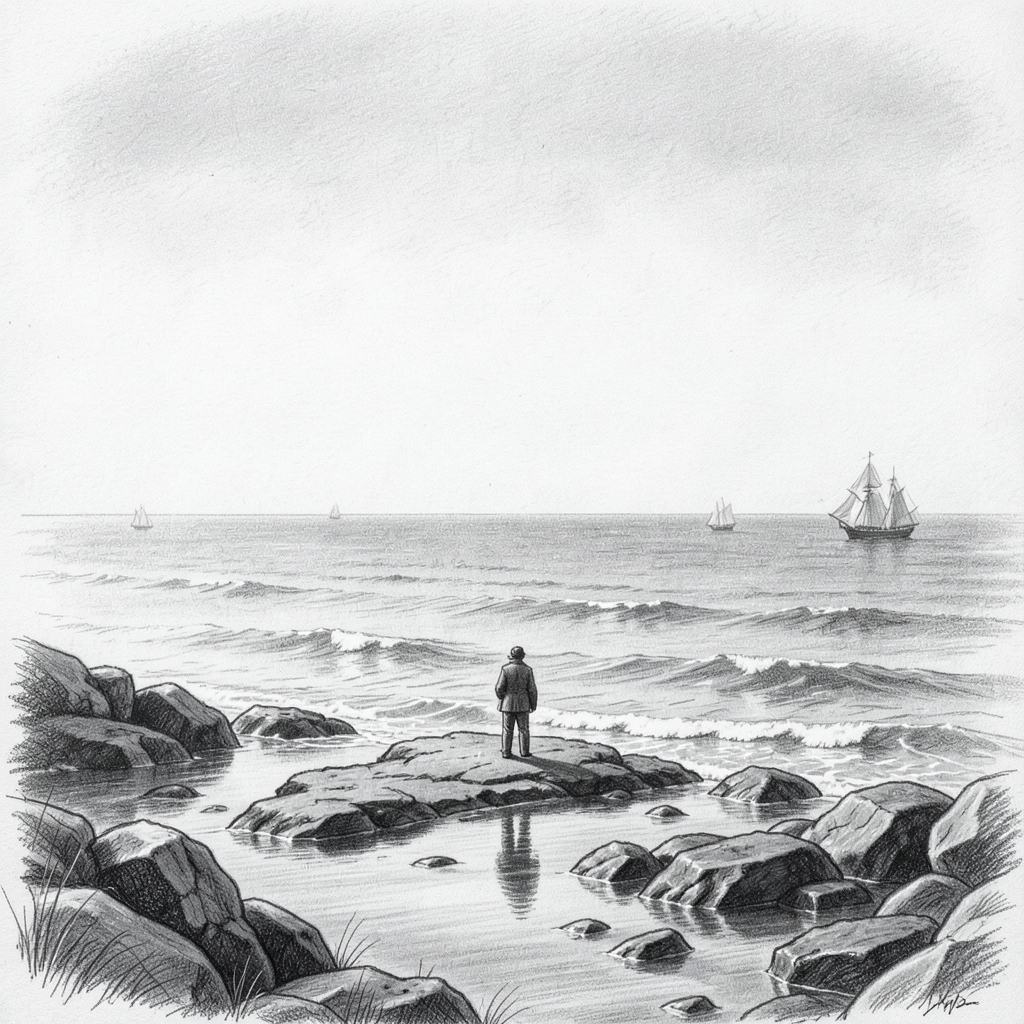
Imagine standing on a quiet shore, where the land meets endless blue and the horizon holds secrets. Islands have long captured our imagination—not just as scattered pieces of earth in vast oceans, but as places where stories take root and grow wild. From the castaway stranded against the odds to legends spun from waves and stars, the islander narrative is more than setting; it’s a stage for human courage, discovery, and transformation.
Islands offer a unique kind of storytelling space—a world small enough to feel intimate, yet large enough to hold adventure, mystery, and myth. Think of them as natural theaters, where survival and solitude play out alongside encounters with other cultures and the forces of nature. They become places where isolation breeds introspection, where adventure invites reinvention, and where myths tell us who we are, or who we might become.
This article journeys through that rich tradition—from the earliest island castaways in literature and the real lives behind those tales, to the compelling characters who live on our screens. We’ll explore how island stories reflect universal themes—survival, companionship, leadership, and resilience—while also honoring the distinct cultures and histories that give them depth. Along the way, you might find yourself not just observing these tales but stepping into them, feeling the salt spray, hearing the waves, and walking beside those who came before.
So let’s set sail on this exploration of islander stories—where every shore has a story, and every story feels like a homecoming.
Classic Islander Tales
When Daniel Defoe’s Robinson Crusoe washed ashore in 1719, it didn’t just tell a story—it launched a whole genre. Crusoe’s tale of a castaway who builds a life from scratch on a barren island struck a chord that echoes through centuries of survival stories. The novel’s gritty details—fashioning shoes from old leather, farming hidden plots, and grappling with deep loneliness—planted the seed for what it means to be “stranded.” Islands, once just remote dots on maps, became vivid stages where human resilience and ingenuity played out against raw nature.
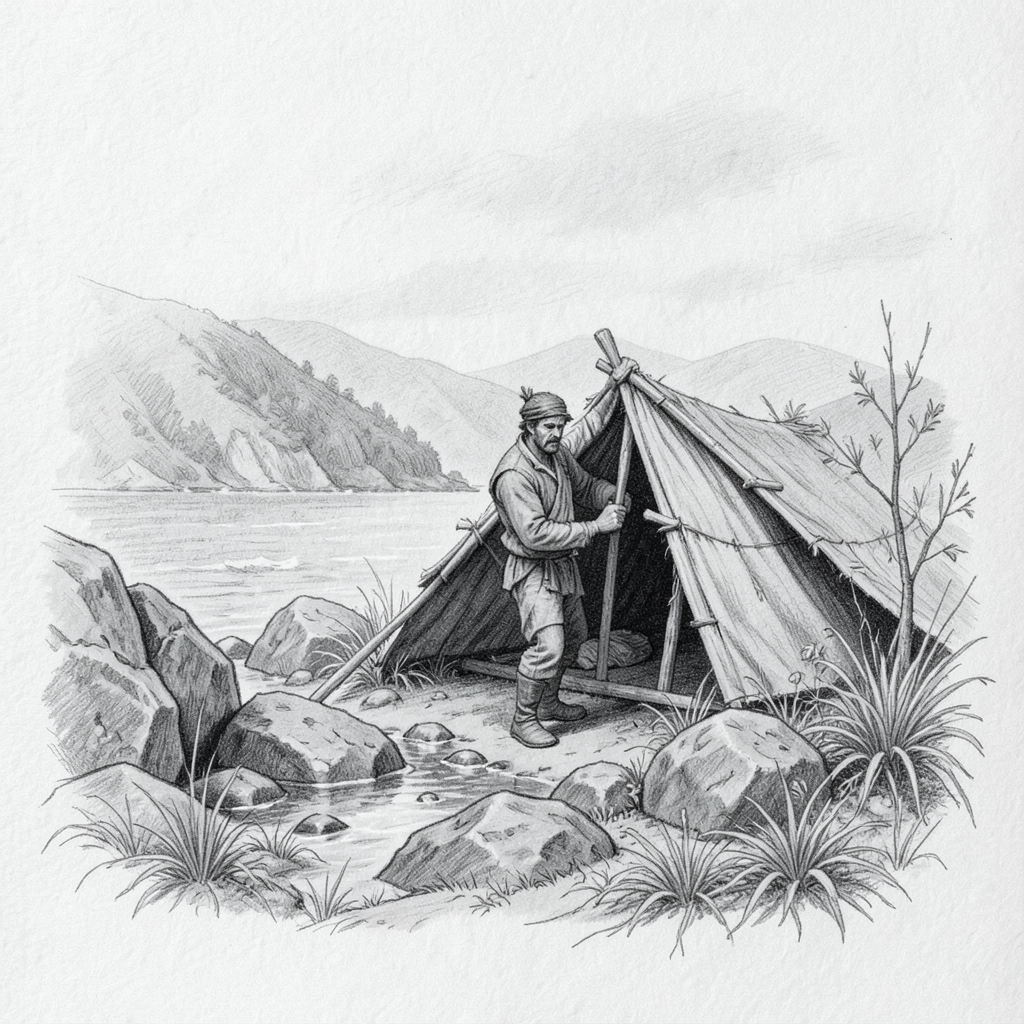
But behind Crusoe’s fictional figure is a real man: Alexander Selkirk, a Scottish sailor who spent four years marooned on an uninhabited island in the South Pacific. Selkirk’s story reads like something pulled from a novel—alone, surrounded by endless ocean, he crafted shelter, hunted for food, and faced the mental trials of isolation. His survival wasn’t just about endurance; it was about adapting to the rhythm of the island, learning its silent ways. Selkirk’s experience gave Defoe his blueprint, but it’s easy to forget that this raw human story came first.
And then there’s the figure of Friday, Crusoe’s loyal companion. Friday is more than just a character; he becomes a symbol of connection amid solitude, a reminder that even in isolation, human bonds endure. The idea of companionship on an island weaves through many stories that followed—offering hope, conflict, or cultural exchange.
Islands also gave rise to myths larger than life, like King Kong. That towering gorilla, captured from an island’s mysterious wilds, taps into the idea that islands are places where the ordinary becomes extraordinary. King Kong’s story blends adventure, fear, and wonder—reminding us that islands shape not only survival tales but also the myths we tell about our primal fears and desires.
These classic tales—from Crusoe’s resourcefulness to Selkirk’s true grit, and from Friday’s friendship to King Kong’s wild mystique—form the bedrock of island narratives. They invite us to imagine being out there, alone or with others, confronting the vast unknown, and discovering something important about ourselves along the way.
Real Survival Stories
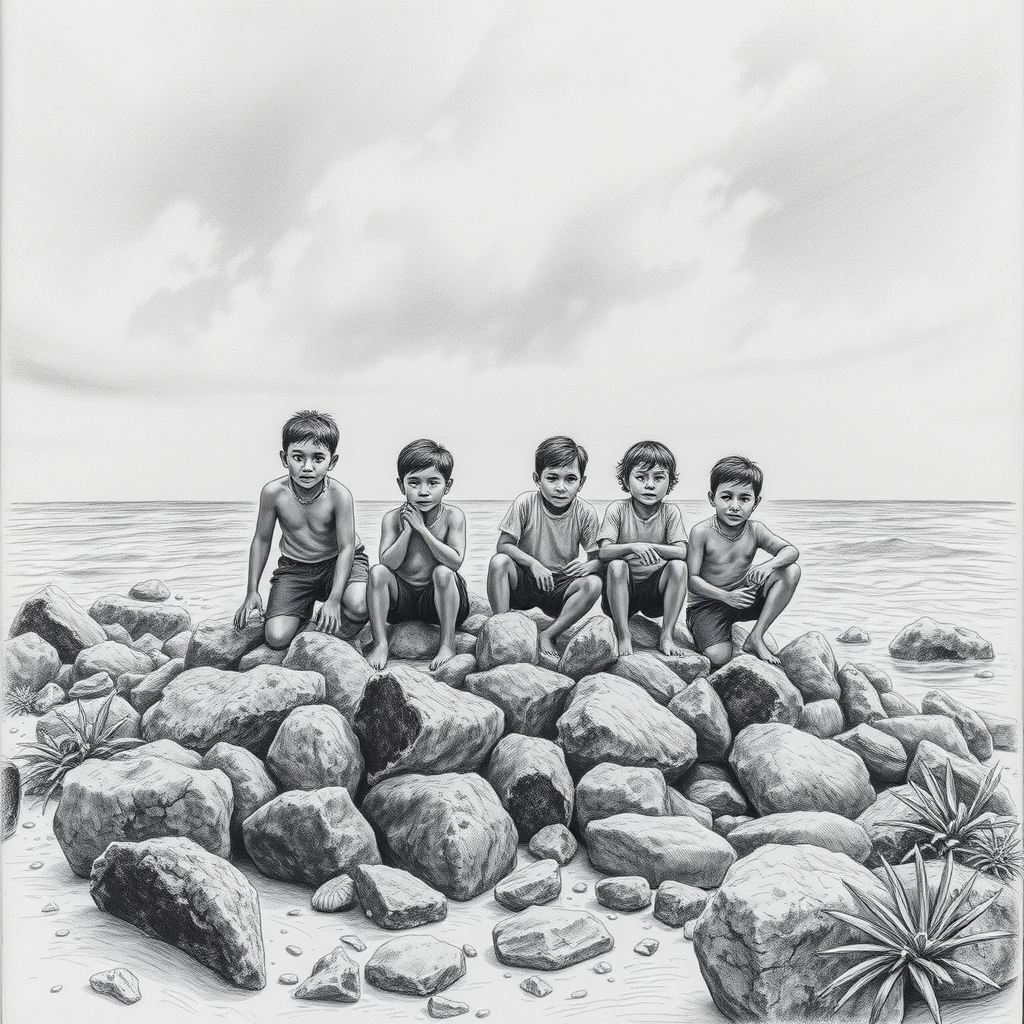
Picture this: six boys, left alone on a small, uninhabited island, faced with nothing but the raw elements and their own wits. This is no fictional setup but a harrowing true story that played out between 1965 and 1966 in the Pacific. These boys were shipwrecked on an isolated reef near Fiji, surviving fifteen months without adult supervision—a real-life chapter that eerily mirrors the darker themes of Lord of the Flies.
Their ordeal wasn’t just about foraging for food or finding shelter. It was a crucible for human nature, stripped down to its essentials. Cut off from the world, the boys had to navigate fear, loneliness, and the strain of maintaining society among themselves. Rather than descending into chaos, as many feared, they exhibited remarkable resilience and cooperation, challenging assumptions about isolation’s psychological toll.
The story of these castaways breathes life into island survival tales by grounding them in true human experience. It tells us that islands are more than remote places on a map—they are stages where the drama of endurance, friendship, and growth unfolds in stark relief. Their struggle whispers timeless questions about how we connect, govern ourselves, and find hope when the world narrows to endless ocean and sky.
Looking beyond fiction invites us to consider the real challenges faced by those marooned in history—solitary souls like Alexander Selkirk and thousands of nameless castaways, whose stories ripple through time. Their experiences remind us that survival is not just physical but deeply human: a story of courage, adaptation, and sometimes, profound transformation.
Iconic Island Characters in Film and TV
When we think about island survival stories on screen, Tom Hanks in Cast Away often comes to mind first. Stranded alone on a remote island, Hanks brings to life the raw, stripped-down struggle of survival. There’s no glamor here—just a man, a volleyball named Wilson, and the daunting challenge of making it through each day. It’s the kind of story that pulls you in because it feels real and deeply human. Fans often share tales of meeting Hanks, remembering how his island castaway role left a lasting impression. It’s a reminder that behind the camera, he’s admired not just as an actor but as someone who embodies resilience and quiet determination.
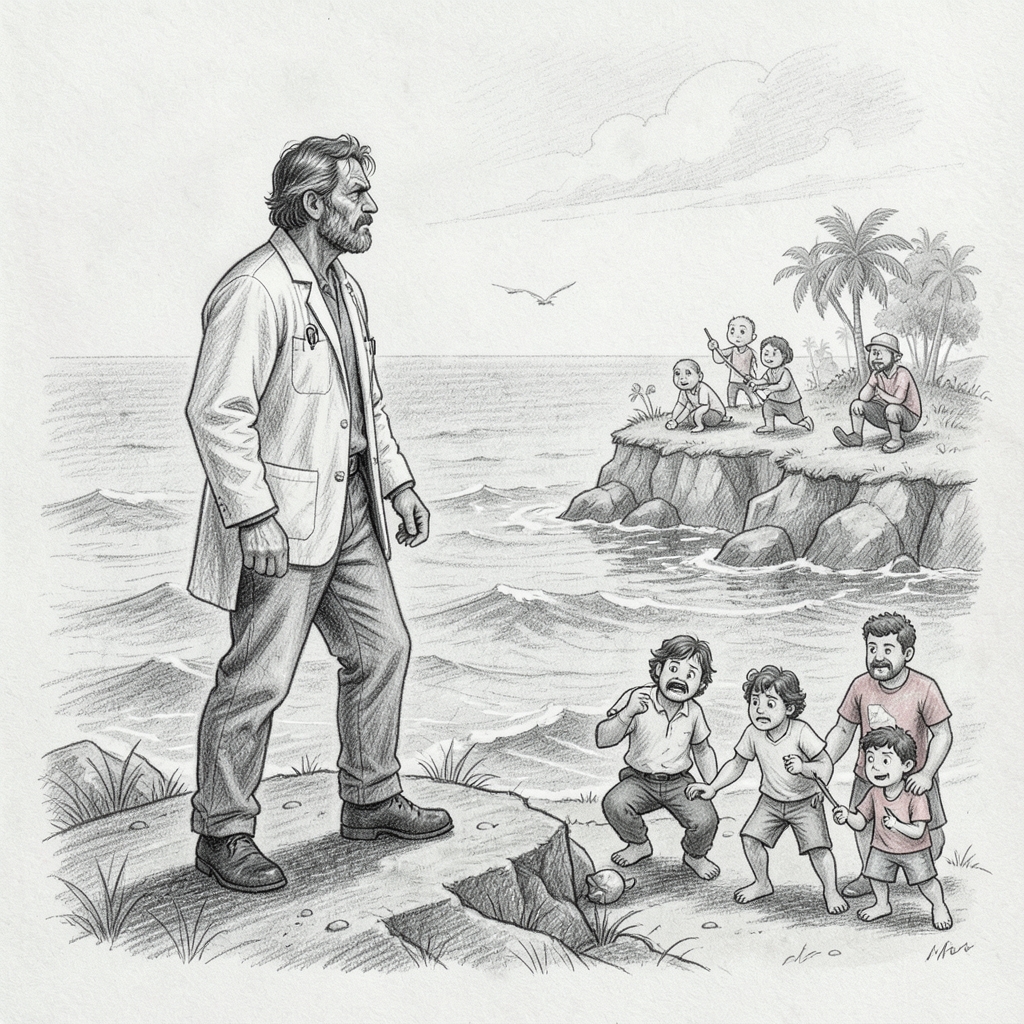
Then there’s Jack Shephard from Lost, the conflicted doctor turned leader. Jack’s island is hardly peaceful, stirring up tensions that test his sense of authority and moral compass. His story digs into what it means to lead when every decision could mean life or death. Jack’s flaws and moments of vulnerability make him strikingly believable—not a flawless hero, but a man grappling with hope and fear amid chaos. Through Jack, the island becomes a pressure cooker for exploring human nature and the cost of survival beyond just the physical.
And who could forget the campy charm of Gilligan’s Island? Beneath the laughs and slapstick lies a surprisingly rich web of symbolism. Some folks like to decode the personalities on the show as embodiments of the seven deadly sins, turning a simple sitcom into a quirky moral allegory. The idea of the “eighth passenger,” a mysterious presence unseen yet felt, adds a layer of playful mystery. In its own way, Gilligan’s Island captures the island as a stage for human folly, hope, and unexpected friendships—a microcosm of society’s imperfections cast far from the mainland.
Each of these characters taps into different facets of the islander myth—whether it’s the raw grit of solitude, the pressures of leadership in crisis, or the humor found in human flaws. Together, they make the island feel like more than just a place; it becomes a canvas where the complexity of survival, community, and identity is vividly painted.
Myth and Adventure Blending
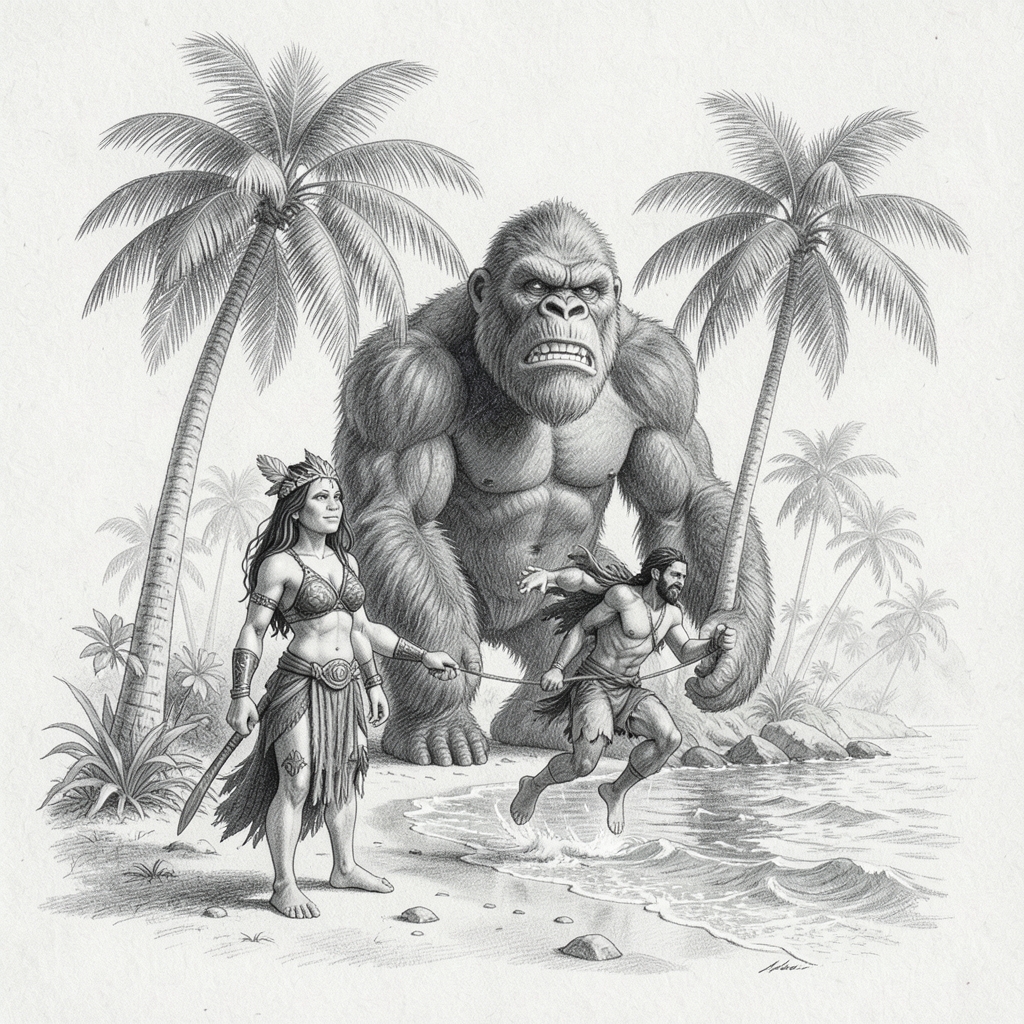
Step onto an island, and you step into a world where fact and fiction often merge like tides meeting the shore. Islands invite imagination—places where ancient stories whisper through swaying palms, where legends grow as wild as the jungle. Think of King Kong, the colossal ape whose roar echoes not just as a thrilling tale but as a symbol of nature’s untamed power. This creature, born from myth and fantasy, breathes life into island storytelling by turning isolated places into stages for epic adventure and awe.
Then there’s Moana, a modern song sung across oceans and cultures. Disney’s film dives into the rich oceanic traditions of Polynesian peoples, telling a story that’s both a vibrant myth and a homage to real cultures. Moana’s journey across the Pacific isn’t just about heroism; it’s about connection—between people, the sea, and the stories carried from generation to generation. Maui, the shape-shifting demigod by her side, represents more than just comic relief. He embodies the cleverness and complexity of legend, reminding us that island stories are alive, adaptive, and deeply human.
Here, myth and adventure aren’t separate—they’re woven threads of the same fabric. Islands become scenes for tales where the extraordinary feels just within reach, where every wave might bring a new story, and every breeze carries the whispers of ancient heroes. This blending keeps island narratives vibrant, inviting each of us to imagine what lies beyond the horizon, both in the world and in ourselves.
Cultural Influences in Modern Storytelling
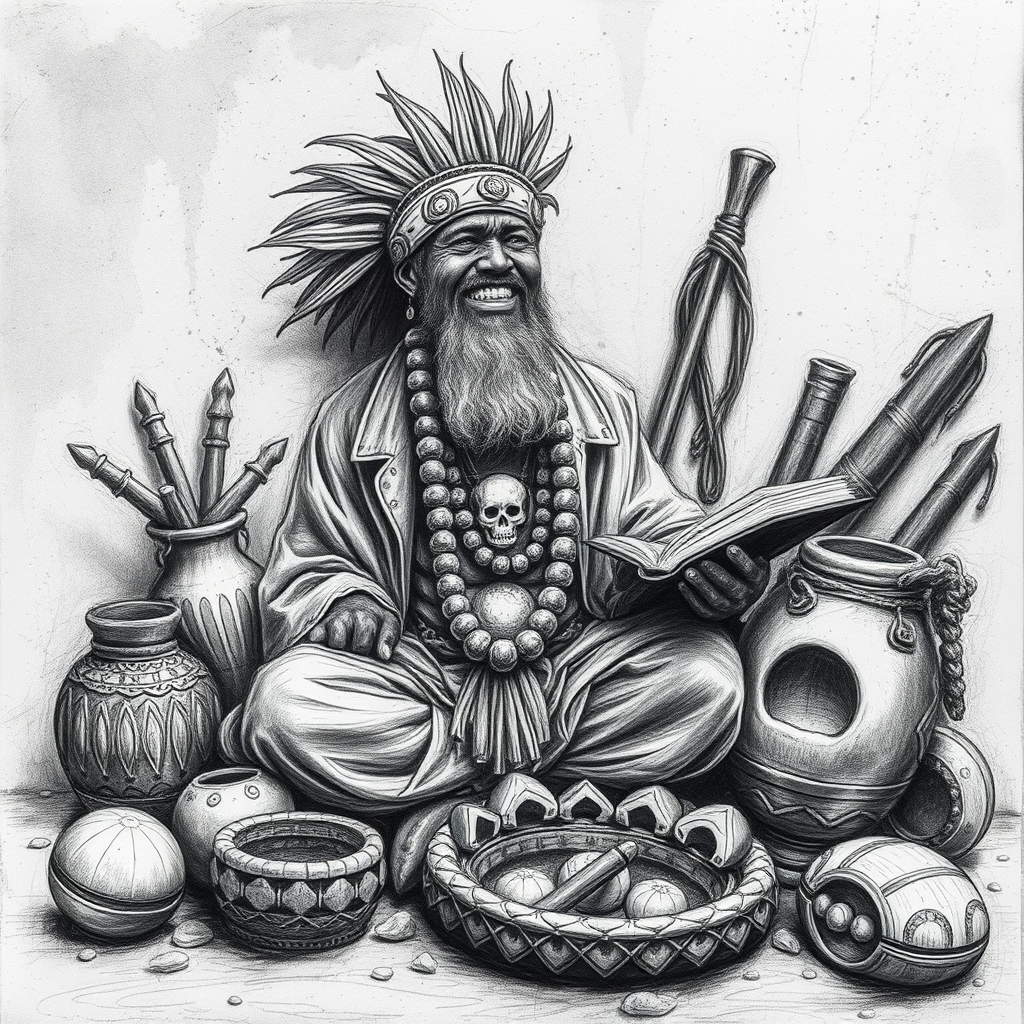
Islander stories aren’t just about getting stranded or battling wild beasts; they carry the weight of real cultures, histories, and identities. Today’s narratives lean heavily on indigenous and Oceanic voices—those who have lived with the sea, the land, and the rhythms of island life for generations. These stories honor more than just survival; they reveal strength, complexity, and a deep connection to place.
Take Penelope Cruz, for example. Known widely as a Spanish actress, some of her roles echo islander themes—showcasing resilient characters shaped by their environment, tradition, and history. Her portrayals reflect a richness that goes beyond stereotype; they invite us to consider how island identity is layered, vibrant, and evolving. It’s a reminder that islander narratives aren’t frozen in a romantic past—they pulse with contemporary realities and fresh perspectives.
But why do these islander tales resonate so widely? Maybe it’s because islands are both unique and universal—isolated worlds where human nature plays out in sharp relief. They ask big questions: How do we survive when everything familiar slips away? What stories do we tell to make sense of that solitude? Whether through the lens of a Pacific legend or a modern film, islander stories tap into something deeply human.
And there’s a balance to strike. The most compelling stories respect local customs and languages without exoticizing or simplifying them for outside audiences. They invite curiosity without condescension, offering windows into lives that can feel both different and familiar. It’s this blend—specific yet universal—that keeps islander storytelling alive and relevant today, across the globe.
So, when you hear an islander tale, remember it carries more than adventure. It carries voices—historical, cultural, and personal—that make the past and present come alive, just beneath the surface of those endless blue waves.
Notable Personalities Related to Islander Narratives
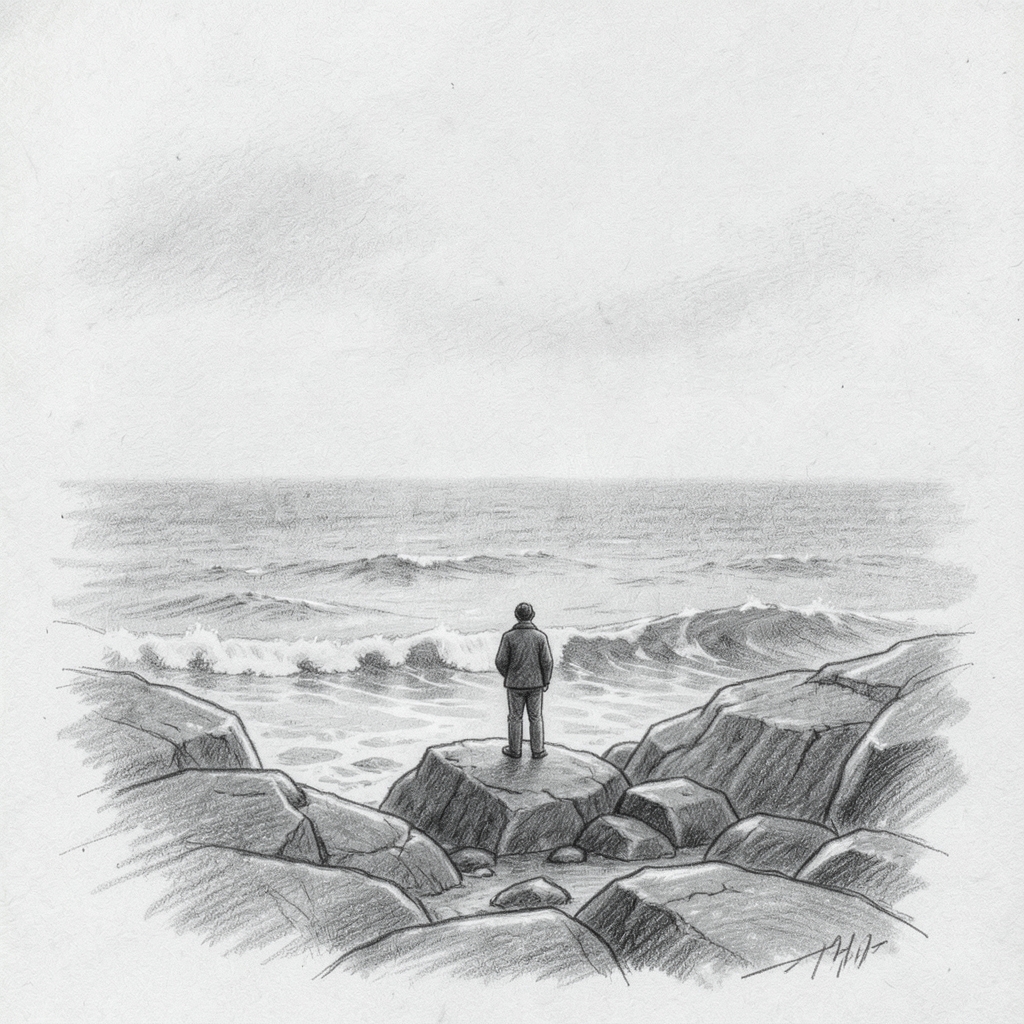
Step back for a moment and think about the real lives that have silently shaped the island stories we know and love. Before Robinson Crusoe ever set foot on his fictional shore, there was Alexander Selkirk, a Scottish sailor whose very existence sparked a narrative about solitude, survival, and the human spirit. Stranded alone on an uninhabited island in the South Pacific for more than four years, Selkirk lived through what many can only imagine—grappling with isolation, battling nature, and ultimately surviving against the odds. His story laid the groundwork for Defoe’s classic, reminding us that sometimes truth is as gripping as fiction.
Fast forward to the silver screen, and you find figures like Tom Hanks, whose portrayal of stranded souls made the island survival tale deeply personal and relatable for modern audiences. In Cast Away, Hanks doesn’t just play a man lost at sea—he embodies the intimate struggle of hope, despair, and resilience that haunts anyone facing an unfamiliar world alone. That role carried such weight that countless fans recount meeting Hanks and instantly connecting with the islander spirit he represents. Through his work, Hanks breathes life into the idea that island isolation is not just a plot device but a mirror for our own internal battles.
On the opposite side of the cultural spectrum is Penelope Cruz, a name that resonates for their powerful portrayals of islander women whose strength and complexity challenge stereotypes. Whether through films set in Mediterranean islands or narratives rooted in vibrant indigenous cultures, Cruz’s characters reflect the layered identities of island people—people shaped by their environment, history, and stories passed down through generations. Her roles invite us to see islanders not as distant myths but as fully human beings with rich lives and voices.
Behind these faces are creators—writers, filmmakers, and cultural historians—who tirelessly preserve, reinterpret, and innovate island narratives. They dig into archives, listen to elders, and blend ancient myths with fresh perspectives, ensuring these stories stay alive and relevant. These storytellers are the quiet custodians of the islander mythos, threading together past and present, fact and legend, until the lines blur into something timeless.
Through the lives of those who lived it, those who perform it, and those who tell it, island narratives become more than tales—they become reflections of resilience, identity, and the undeniable human urge to connect, survive, and imagine beyond the horizon.
Conclusion
Islander stories have a unique way of sticking with us. From Crusoe’s lone struggle to Moana’s spirited voyage, these tales tap into something deeply human: the mix of isolation and connection, challenge and discovery. They’re more than just survival dramas or adventure myths. They carry the voices of real people, echoing across time and cultures, reminding us how place shapes identity—and how stories help us make sense of where we come from, and where we might go.
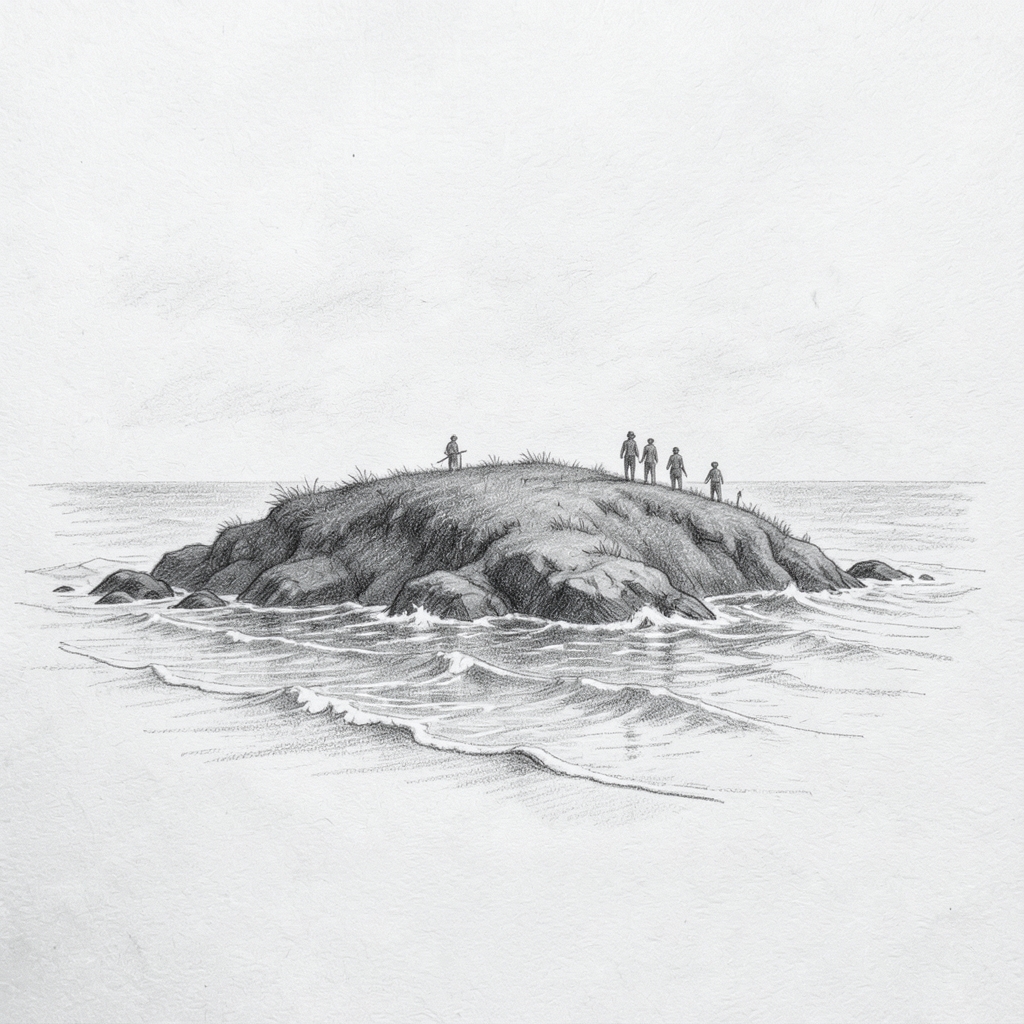
In a world that often feels fast and fragmented, island narratives invite us to pause and look closer. To imagine standing on a shore, feeling the salt air, hearing the waves, and wondering what stories the horizon holds. These tales endure because they speak to our shared curiosity and resilience, blending history, myth, and heart.
So whether you’re drawn to the grit of a castaway’s grit, the magic woven into Polynesian legends, or the complex characters lost on mysterious shores—there’s an island story waiting for you. Dive in, explore, and maybe add your own voice to this ever-growing mosaic of human adventure. After all, every islander’s journey begins with a single step onto the sand.













-
 Jigsaw Puzzles
Cozy Art Nouveau Cat Puzzle 250 | 300 | 500 Pieces
Price range: kr 348,00 through kr 439,00 Select options This product has multiple variants. The options may be chosen on the product page -
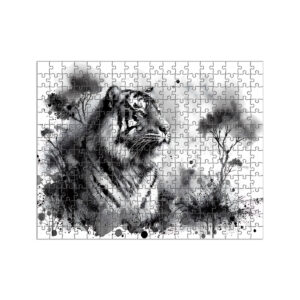 Jigsaw Puzzles
Zodiac Series Tiger Ink Puzzle – Black and White Art 250 | 300 | 500 Pieces
Price range: kr 348,00 through kr 439,00 Select options This product has multiple variants. The options may be chosen on the product page -
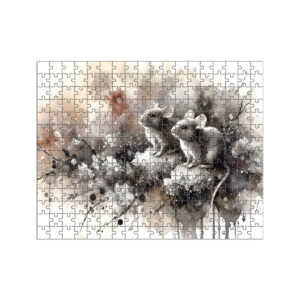 Jigsaw Puzzles
Twelve Zodiac Mice Ink Wash Jigsaw Puzzle 250 | 300 | 500 Pieces
Price range: kr 348,00 through kr 439,00 Select options This product has multiple variants. The options may be chosen on the product page