Introduction
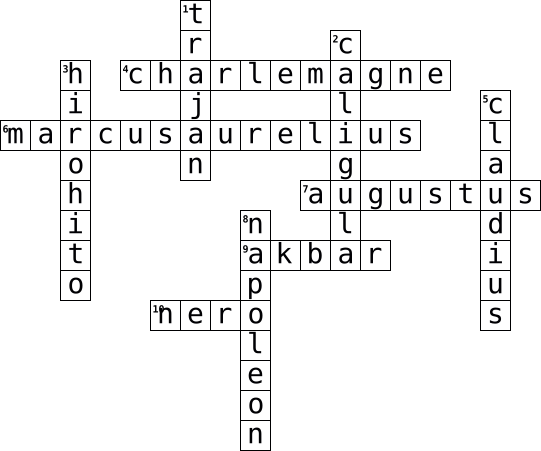
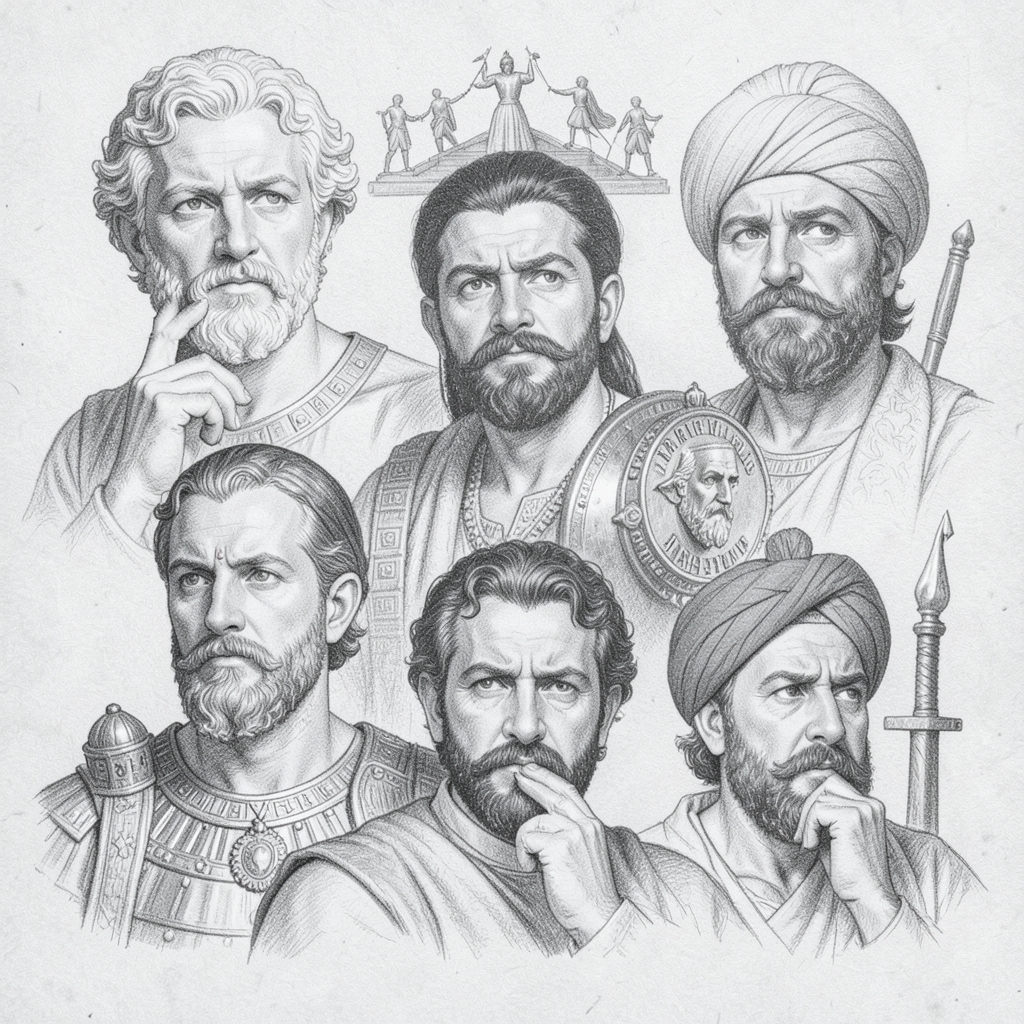
Picture standing at the crossroads of time, where the stories of emperors echo not just through stone and scroll but in the choices that shaped whole civilizations. This article invites you to walk alongside ten emperors—faces from Augustus to Akbar—whose reigns ripple through history with lessons in power, culture, and human complexity.
Why focus on emperors? Beyond their towering titles, emperors offer a unique lens into how leadership molds the world around us. They negotiated peace and sparked wars, patronized art, and rewrote governance. Their lives reveal the delicate balance between personal ambition and broader cultural currents, teaching us that history is never just about dates—it’s about people steering the course of their times.
Throughout these pages, you’ll find stories framed not as dry facts, but as vibrant narratives blending their triumphs and contradictions. We’ll explore the political savvy of Augustus, the artistic patronage of Nero, and Akbar’s groundbreaking embrace of religious tolerance. At the same time, recent scholarship urges us to question myths and legends, offering fresh perspectives that deepen our understanding.
Each emperor’s section balances their key achievements with modern reevaluations, capturing the human behind the crown and the lasting impact near and far. As you read, notice how leadership styles range from steady to turbulent, reflective to ruthless, yet each is a thread in the rich tapestry of history.
So, whether you’re a seasoned history lover or an inquisitive traveler through time, prepare to meet emperors who, in their own way, shaped not just empires but the stories we still tell today.
Emperor Augustus
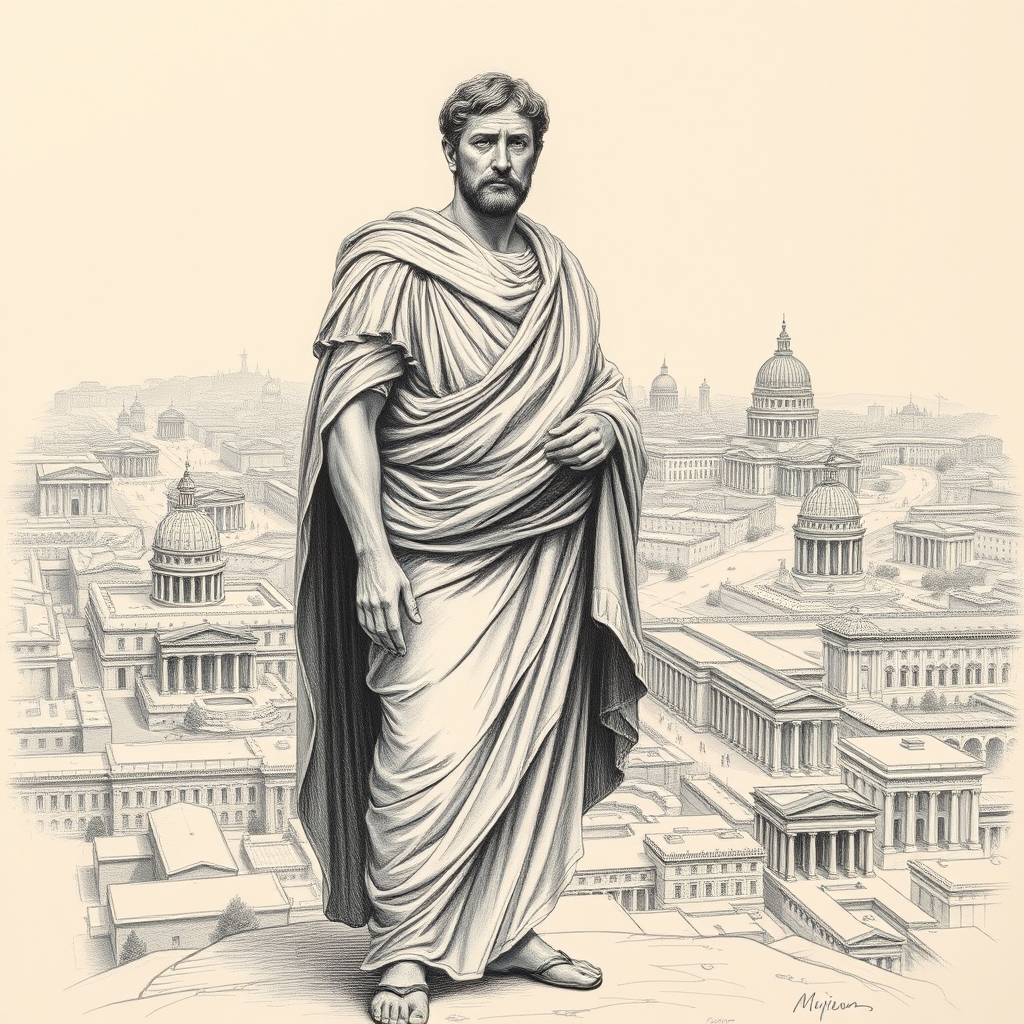
Step into the heart of ancient Rome, where the dust of civil war was just beginning to settle. Augustus, born Gaius Octavius, wasn’t just the first emperor; he was the architect of a new world order. After decades of chaos, he ushered in the Pax Romana — a remarkable period of peace and stability stretching across the vast Roman Empire for over two centuries. Imagine walking through Rome’s streets as marble temples rose from ruins, aqueducts carried fresh water into bustling neighborhoods, and grand forums echoed with the pulse of a revitalized city. Augustus was a master at blending old traditions with fresh authority: though he held supreme power, he carefully maintained the illusion of the Republic’s values, convincing Romans that their freedoms were intact even as he held the reins tighter than ever.
His vision didn’t stop at politics. Through ambitious building projects, Augustus transformed not only the capital but also far-flung provinces, weaving the empire’s diverse corners into a unified whole. Roads stretched like arteries across lands, facilitating trade, communication, and Rome’s cultural heartbeat. His reforms weren’t just about control; they planted seeds that would nourish Roman art, governance, and society for generations.
Historians now see Augustus in a nuanced light. He was no mere despot; he was a shrewd strategist who brought order out of turmoil, stabilizing a fractured world with both vision and pragmatism. His legacy lingers—not only in the ruins and ruins’ shadows but also in the very idea of leadership and empire. Augustus didn’t just rule Rome; he remade it, inviting us all to consider how power, culture, and peace intertwine across time.
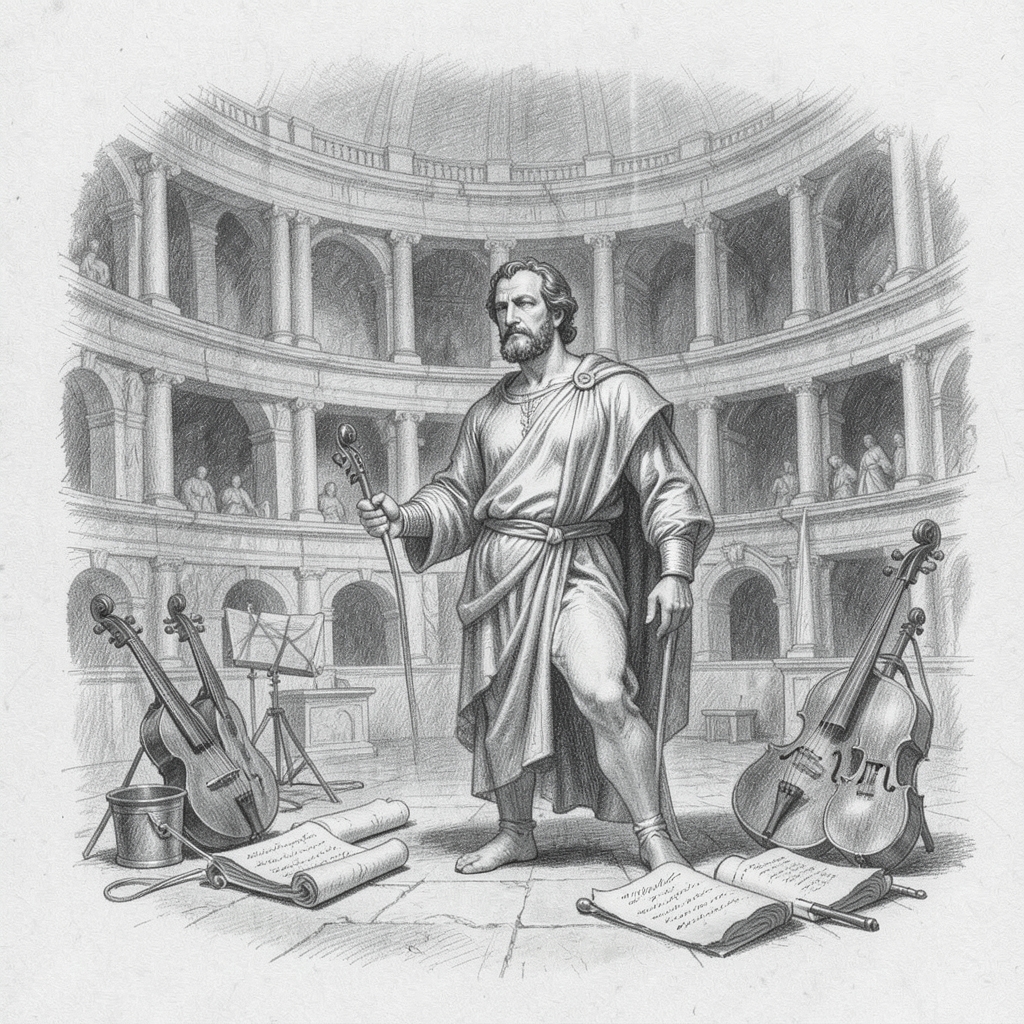
Emperor Nero
Picture Rome under a blazing sun, its streets echoing not just with the clatter of soldiers but with the hum of artists and musicians. Nero, often remembered as the infamous emperor with a penchant for extravagance, actually left a surprisingly rich cultural footprint on the city he ruled. Far from the one-dimensional tyrant of popular lore, he was a passionate patron of the arts. Nero commissioned grand portraits and was known to promote poetry, theater, and music, aiming to elevate Roman culture even as political storms brewed.
Traditionally, Nero’s name conjures images of cruelty, chaos, and the Great Fire of Rome, with tales spinning out of control—stories of him fiddling while the city burned, or indulging in grotesque excesses. But recent scholarship asks us to pause and reconsider. Historians now sift through bias and propaganda, revealing a more nuanced figure. He wasn’t simply a villain, but a complex leader navigating immense pressure and expectation. Some argue that many of the myths surrounding him were exaggerated by later historians eager for a cautionary tale.
What feels most striking is this: Nero’s reign invites us to question how history is written and remembered. Was he a reckless despot, or a misunderstood emperor fostering Rome’s artistic soul amidst turmoil? The truth probably lies somewhere in between, reminding us that leadership often resists easy judgment—and that culture can flourish even in unlikely hands.
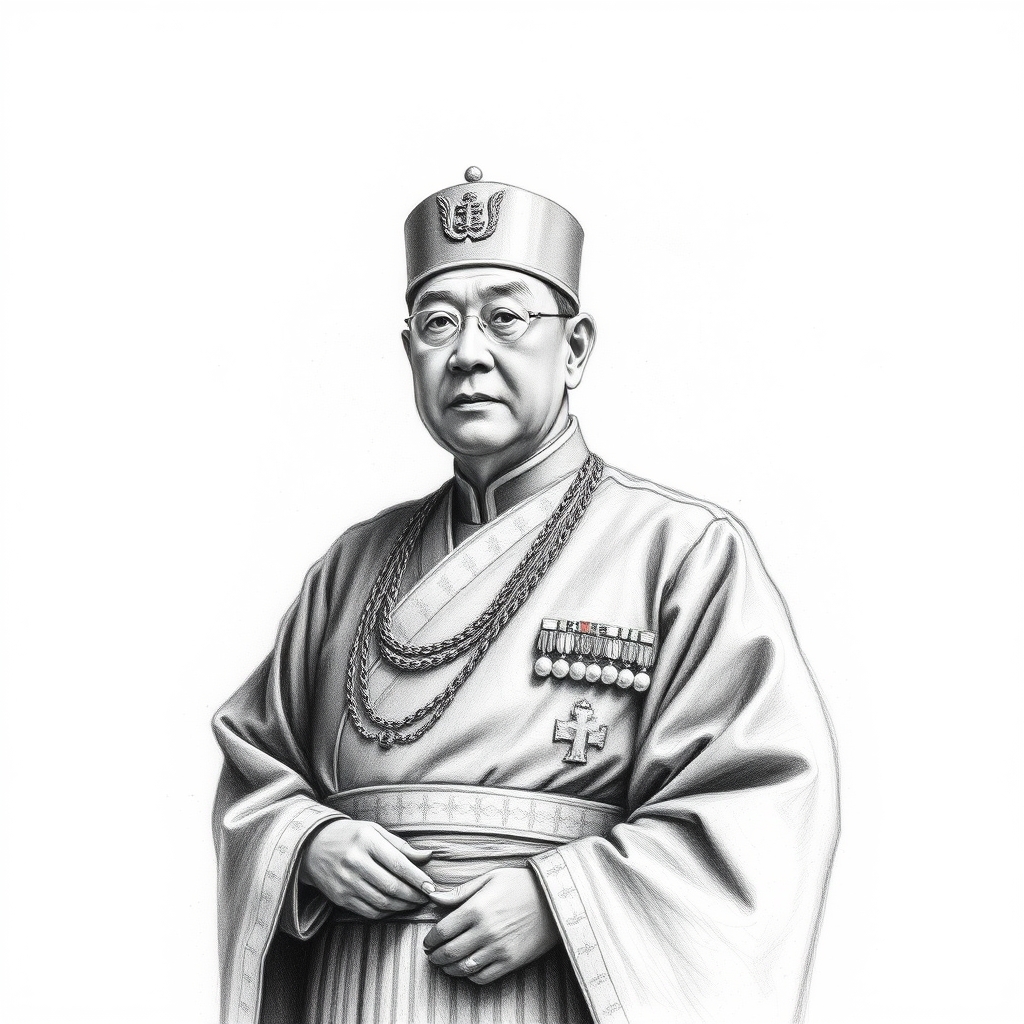
Emperor Hirohito
Picture Japan in the early 20th century: a nation on the brink of transformation, caught between centuries-old traditions and the rapid pull of modernization. At the heart of this moment stood Emperor Hirohito, a figure both revered and controversial. His reign spanned decades marked by profound upheaval—from Japan’s imperial ambitions that led to World War II, to its remarkable postwar recovery as a peaceful, modern state.
Hirohito’s role during the war years has been the subject of intense debate. Was he a passive symbol wrapped in ceremony, or an active decision-maker shaping Japan’s military actions? The answer isn’t simple. Recent scholarship peels back layers of official narratives, revealing a man walking a tightrope—balancing the expectations of his government and military leaders, while trying to preserve the imperial institution itself. This nuanced view challenges the black-and-white portrayals often found in popular history.
What cannot be denied is Hirohito’s crucial part in Japan’s postwar transformation. After the devastation of 1945, he chose to embrace a new path, becoming a symbol of peace and national unity. His support for reconstruction efforts and constitutional reform helped cement Japan’s place on the world stage as a vibrant democracy, blending respect for tradition with a forward-looking spirit.
Through Hirohito’s story, we see a reminder that emperors are more than just titles or myths—they are people navigating vast historical tides, embodying the hopes and contradictions of their times. Walking through this chapter of Japan’s past invites us to consider how leadership, symbolism, and history intertwine in shaping a nation’s soul.
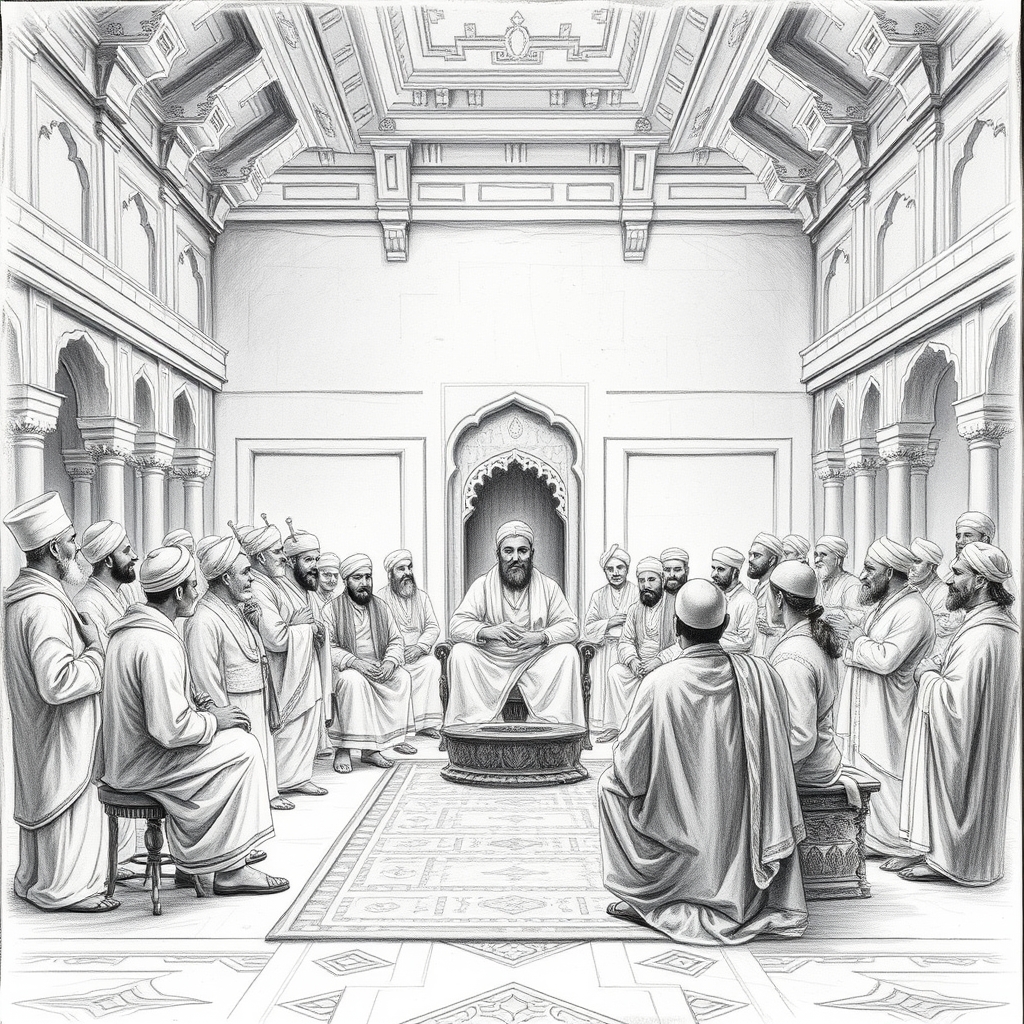
Emperor Akbar
Picture a vast empire stretching across the Indian subcontinent, woven together not just by force, but by a vision of unity and understanding. That was Akbar’s realm in the late 16th century—a world where borders expanded, but so did the horizons of culture and belief.
Akbar wasn’t just a conqueror; he was a builder, in every sense. His military campaigns extended Mughal control far beyond his grandfather Babur’s foothold, but it was his approach to ruling that set him apart. Unlike many rulers of his time, Akbar sought harmony among the many faiths thriving under his domain. He famously welcomed scholars of Islam, Hinduism, Christianity, Jainism, and even Zoroastrianism to debate and discuss not as rivals, but as partners in a grand conversation. This religious tolerance was revolutionary, fostering a sense of peace in a land often marked by division.
Yet, Akbar was also a shrewd administrator. He reorganized his government to improve efficiency and fairness, laying down systems that balanced regional autonomy with central authority—a delicate act that allowed his empire to thrive long after his reign. His court became a magnet for poets, artists, and architects, resulting in cultural achievements that blended Persian, Indian, and Central Asian styles into something uniquely Mughal.
Akbar’s legacy is not just in the lands he held but in the spirit he inspired. By weaving diversity into the fabric of his empire, he showed that strength could come from inclusion, not just conquest. The echoes of his policies ripple through South Asia’s history, influencing governance and cultural identity well beyond the 16th century.
In standing beside Akbar, you get a glimpse of a leader who understood the power of tolerance and innovation—a ruler who shaped an empire by embracing complexity, rather than denying it.
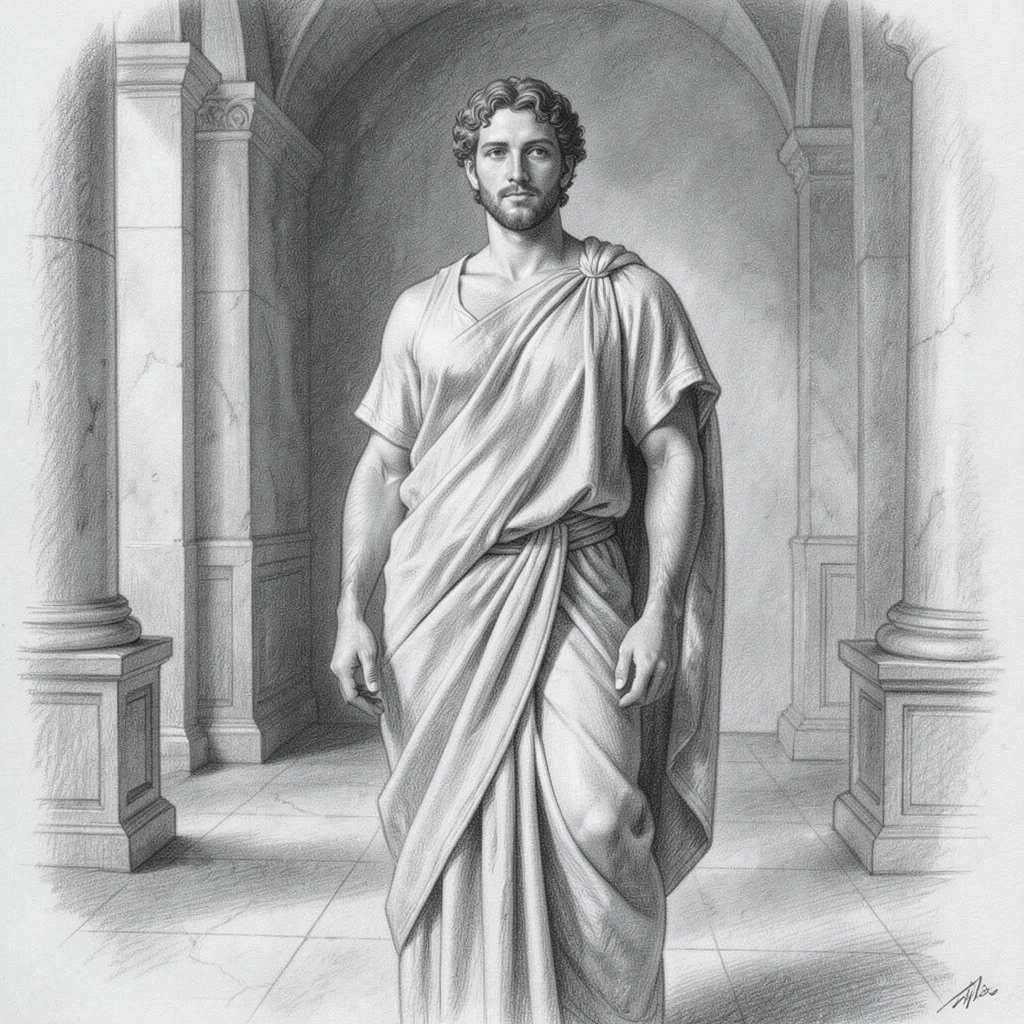
Emperor Caligula
Picture a young ruler stepping onto Rome’s vast stage, full of potential and promise. Caligula’s reign began with eyes wide open, greeted by hope and whispers of a bright future. But soon, dark tales swirled around his name—stories of cruelty, bizarre antics, and madness that have haunted his legacy for centuries. Yet, when historians peel back the layers of ancient gossip and political mudslinging, a more complex, less monstrous figure emerges.
In truth, Caligula ruled with a mixture of boldness and unpredictability. His leadership wasn’t just reckless excess; it held moments of genuine ambition and reform. Some accounts, clouded by bitter enemies and senatorial resentment, exaggerated his eccentricities to villainous extremes. Recent scholarship invites us to reconsider those tales—was he truly the deranged tyrant painted in popular myth, or a young ruler struggling under immense pressure and a volatile court?
What stands clear is that Caligula’s reign was a vivid reminder of how power can be both fragile and intoxicating. His story challenges us to question how history remembers those who didn’t fit the traditional mold of leadership. Rather than dismissing him as a mad despot, we might see Caligula as a ruler shaped by his times—imperfect, impulsive, yet undeniably human. This nuanced portrait opens new paths into understanding the delicate dance of leadership in Rome’s imperial heart.
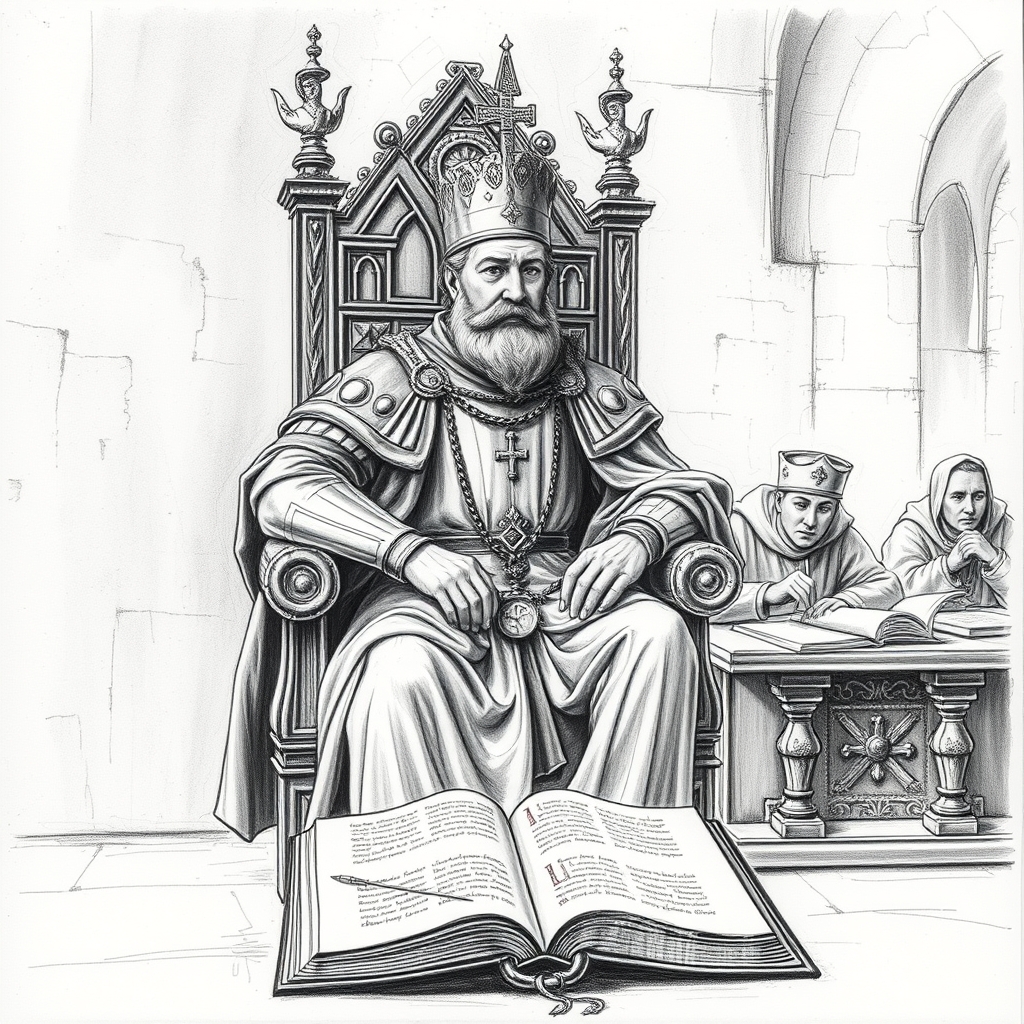
Emperor Charlemagne
Imagine standing at the crossroads of medieval Europe, where scattered kingdoms whispered of past glories and fragile alliances. Then comes Charlemagne—“Charles the Great”—whose very name still rumbles through history like a drumbeat of unity. He didn’t just inherit a patchwork of lands; he stitched them together into a realm that would become the bedrock of modern Europe.
His achievements were bold and enduring. Charlemagne expanded Frankish control across vast territories, including much of today’s France, Germany, and beyond. But conquest was only part of his story. With a pragmatic eye toward the future, he forged a powerful alliance with the Church, weaving religious authority and political power into a stronger fabric. This partnership helped him legitimize his rule and spread Christianity deeper into Europe’s heartlands.
Yet, perhaps his most lasting legacy was the Carolingian Renaissance—a revival of art, culture, and learning that woke Europe from the long slumber that followed the fall of Rome. Charlemagne invited scholars from across the continent to his court, encouraging education and the preservation of classical texts. Monasteries became centers of knowledge, scribes copied manuscripts by candlelight, and architecture blossomed with new grandeur. Through these efforts, Charlemagne planted the seeds for a European identity that celebrated both faith and intellect.
His reign wasn’t flawless, of course. Governing a sprawling empire meant constant challenges: managing diverse peoples, turbulent nobles, and the ever-present threat of invasion. But his vision of a unified Christian Europe set a compass point that guided centuries of rulers after him.
Standing in Charlemagne’s shadow, we glimpse the dawn of a continent emerging from chaos—a time when leadership sought more than power alone but aimed to build a civilization. His story invites us to reflect on the enduring power of education, faith, and political will in shaping the world we inherit today.
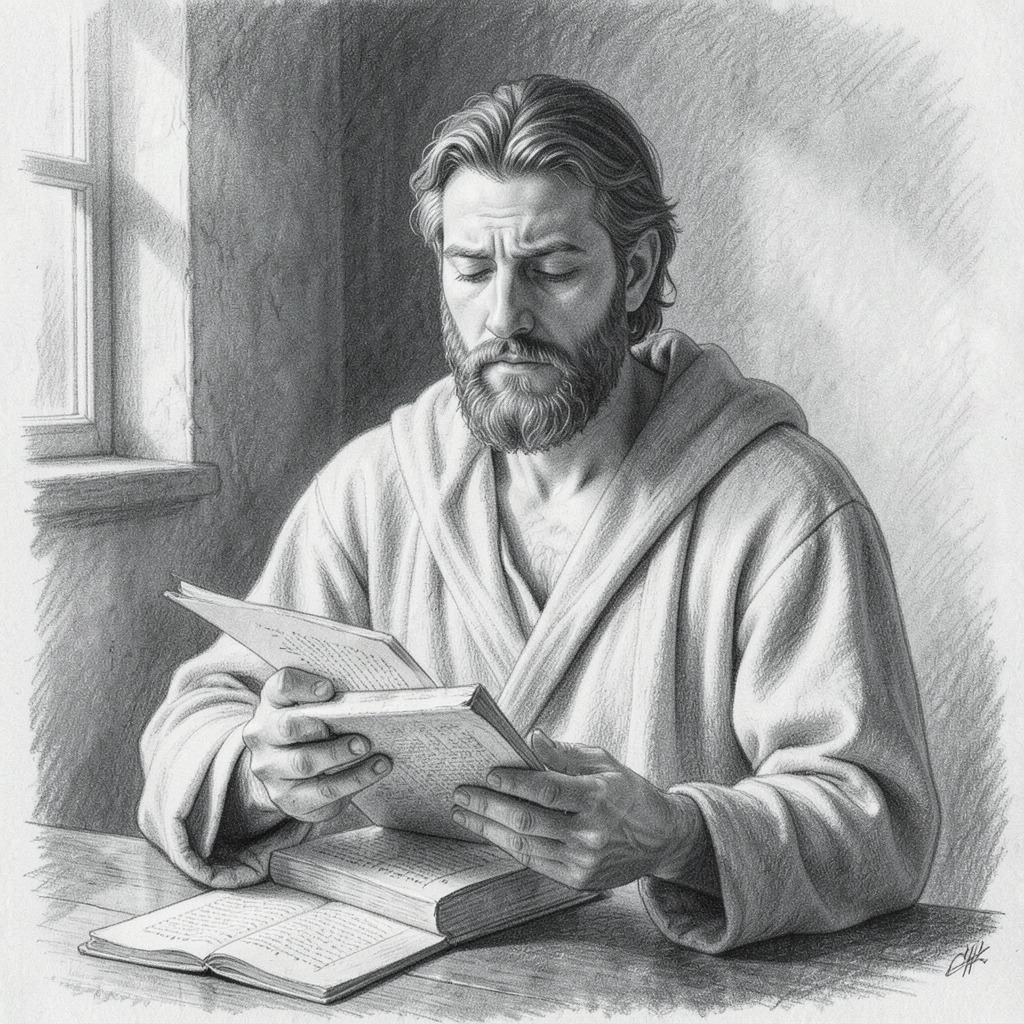
Emperor Marcus Aurelius
Picture an emperor seated quietly in his tent, the din of battle muted beyond the canvas walls. Instead of issuing commands, he scribbles thoughtful reflections in a worn journal—his “Meditations.” Marcus Aurelius wasn’t your typical Roman ruler wielding power through sheer force or spectacle. He was a philosopher-king, a figure whose leadership was shaped not just by the sword, but by wisdom and self-discipline.
His reign came during a time of conflict and crisis for Rome—wars along the empire’s borders, plagues, and internal unrest. Yet, Marcus met these challenges with a calm Stoicism that prized reason, duty, and acceptance. His personal writings reveal a leader striving to govern with virtue, seeing himself as part of a greater whole rather than above it. The steady hand behind the empire’s rule was guided by principles that still resonate centuries later.
What sets Marcus apart from emperors like Trajan, who expanded Rome through military conquest and grand infrastructure, is this inward focus. Where Trajan built monuments and roads to bind the empire physically, Marcus sought to strengthen it morally and philosophically. His legacy is less about territorial gain and more about shaping the ideal of leadership as a blend of strength and humanity.
Visiting Rome today, it’s easy to see the grandeur left by emperors before and after him. But Marcus Aurelius invites us to pause and listen—to the quiet voice of reflection amid empire and ambition. In that balance between power and introspection, his reign offers a timeless blueprint for leadership that looks within as much as it looks outward.
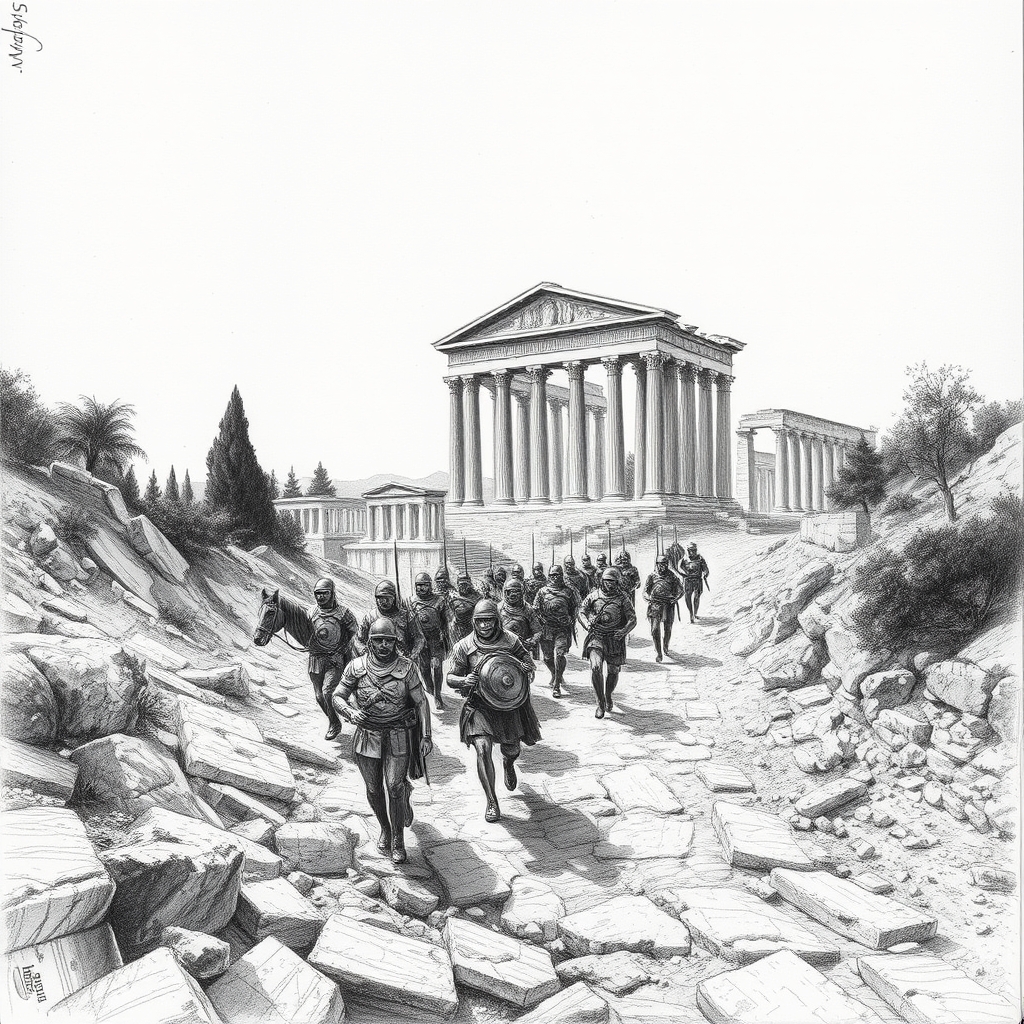
Emperor Trajan
Picture a battlefield turned blueprint—a leader whose sharp military mind redrew the edges of an empire and whose vision reached beyond conquest to lasting infrastructure. That was Emperor Trajan. Known foremost for his bold expansions, Trajan sent Roman legions marching deeper into Dacia (modern-day Romania), adding vast new territories that boosted Rome’s wealth and influence. But his legacy wasn’t just about borders on a map.
Trajan had a knack for combining warrior spirit with practical governance. Beyond the battlefield, he commissioned impressive public works—the sort of projects designed to stand the test of time and serve the people. Roads stretched like arteries across the empire, linking distant provinces, while majestic forums and grand monuments spoke of Rome’s power and destiny. The famous Trajan’s Column, spiraling with scenes of his Dacian campaigns, remains an artistic and historical marvel, letting us glimpse the triumphs of a ruler who wore military success as a badge of honor.
Historians often place Trajan alongside leaders like Marcus Aurelius, though their styles diverged considerably. Where Marcus Aurelius embraced philosophy and Stoic reflection, Trajan was the empire’s bold expansionist, focused on forging Rome’s greatness through action and tangible results. Both shaped Rome in their own right, but Trajan’s reign stands out for its energetic push outward, setting a high-water mark for imperial glory.
In a world where empires rise and fall, Trajan’s story reminds us that leadership is as much about vision and infrastructure as it is about conquest—building not just an empire of lands, but one of lasting order and strength.
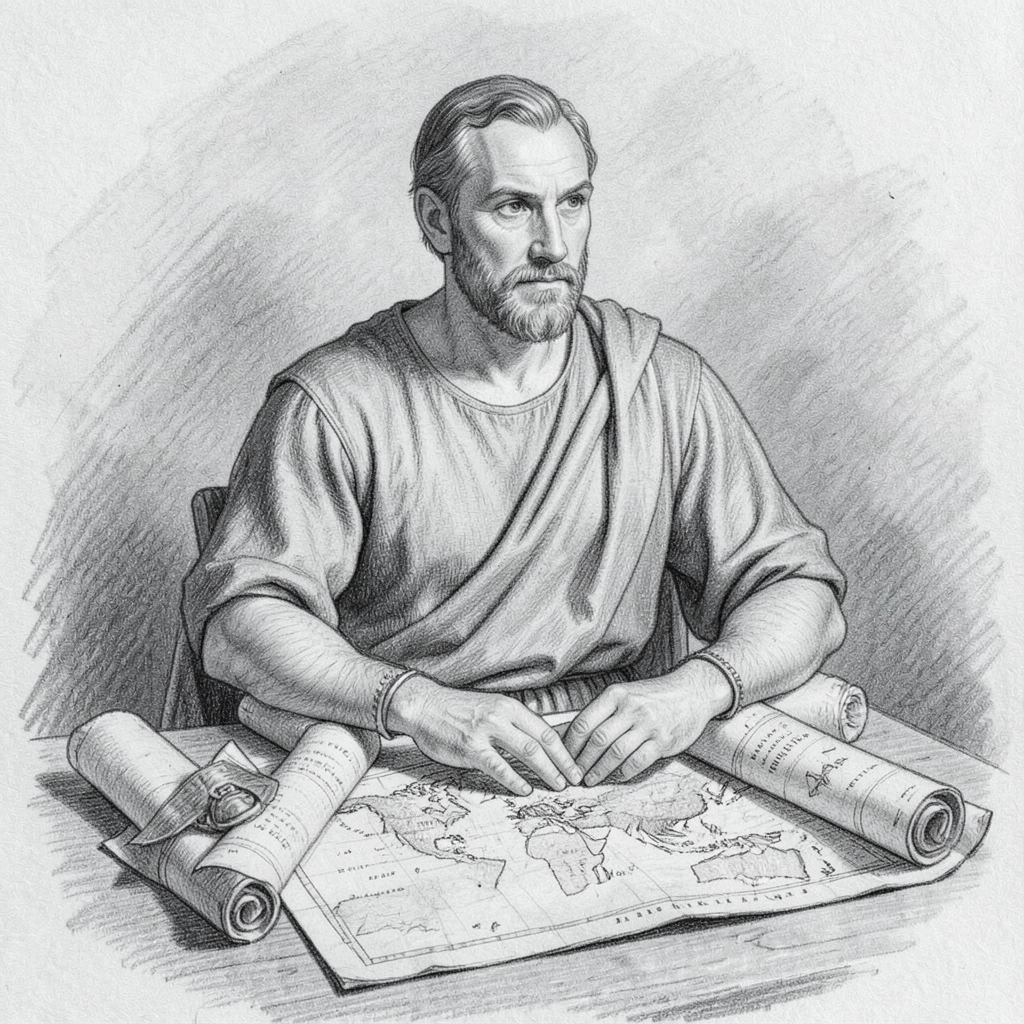
Emperor Claudius
Imagine a man who entered the imperial stage not as a shining hero, but as an unlikely figure—often dismissed as frail or unfit to rule. Claudius’ journey to power is a testament to the surprising twists history can take. Born with physical disabilities and overshadowed by family drama, Claudius might not have seemed destined for greatness. Yet, once crowned emperor, he quietly rewrote the rules of what it meant to lead Rome.
One of Claudius’ boldest moves was pushing the empire’s boundaries further than many before him dared. The conquest of Britain isn’t just a footnote; it was a vast military and logistical feat that brought a new province under Roman control. Picture legions carving roads through wild forests, establishing forts, and stretching Roman influence across the Channel—that was Claudius’ legacy in motion.
But his impact wasn’t limited to boots on the ground. Claudius had a keen eye for administration. He reformed the Roman legal system, introducing laws that improved governance and made the empire’s vast bureaucracy more efficient. Unlike the glory-seeking emperors who chased conquest, Claudius seemed to understand the power of steady, pragmatic reform. In doing so, he laid foundations that would support Rome’s longevity long after his reign.
For centuries, Claudius was overshadowed by the drama and brilliance of emperors like Augustus or Nero. His disabilities and sudden rise made him an easy target for ridicule in ancient writings, dimming the full picture of his contributions. But modern historians have revisited his rule with fresh eyes, recognizing Claudius as a capable and often shrewd leader who navigated the treacherous waters of Roman politics with surprising skill.
So, next time you think of the great emperors, remember Claudius—not because he dazzled with spectacle, but because he quietly changed Rome from the inside out. His story reminds us that true leadership isn’t always about grand gestures; sometimes, it’s about steady hands guiding a vast empire through subtle but lasting change.
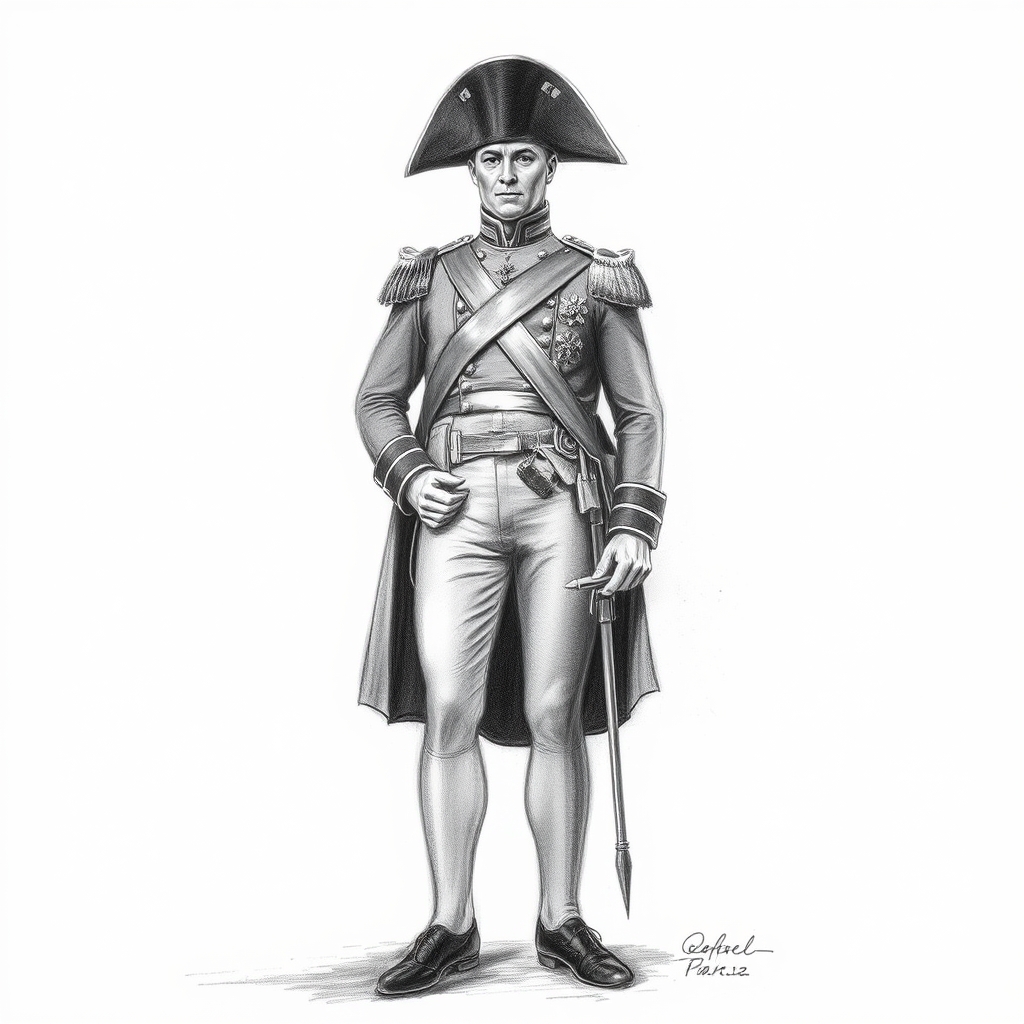
Emperor Napoleon
Picture a man standing tall beneath the gray skies of an unsettled Europe, his cloak billowing as cannons roar and armies march. This was Napoleon Bonaparte—rise from a Corsican outsider to Emperor of the French, a figure whose shadow still stretches across continents and centuries.
Napoleon’s achievements ripple through history like a stone cast into a stormy sea. He redrew maps and minds alike, wielding military genius to carve an empire across Europe. Yet his influence didn’t end on the battlefield. He reshaped France’s very foundation with sweeping reforms, most famously through the Napoleonic Code—a legal framework that, even today, forms the backbone of civil law in many countries. This code wasn’t just laws on paper; it was a bold vision for order, equality before the law, and a clearer path for justice in a time scarred by revolution and unrest.
But Napoleon’s leadership was a complex dance between charisma and iron will. He inspired fierce loyalty in some, fear and resistance in others. Here was a man who could rally his troops with stirring speeches, yet also demand relentless discipline. His ambition knew few bounds, driving both innovation and conflict in equal measure. He saw himself as a bearer of enlightenment but also a conqueror hungry for power.
The legacy Napoleon leaves behind is equally tangled—a hero to many who admire his reforms and strategic brilliance, a tyrant to those who remember the wars and upheaval he spawned. His life invites us to ponder a timeless question: can greatness exist without controversy? Walking through his story, we glimpse the fine line between visionary leadership and imperial ambition.
In the end, Napoleon remains a figure who refuses to be simply labeled. He is a reminder that history is rarely black and white but filled with the complex colors of human ambition, success, and consequence.
Conclusion
As we close this journey through time, it’s clear that emperors are anything but one-dimensional figures. Some ruled with a steady hand, like Augustus ushering in peace after chaos. Others wielded power through force and expansion, like Trajan or Napoleon. Then there are those whose legacies are tangled in myth and reality, Nero and Caligula reminding us how history can be shaped by stories as much as facts.
What ties them all together is their lasting impact—not just on borders or armies, but on culture, governance, and how societies understand power. Their decisions echo into the present, whether in law, art, or philosophy. Yet, peeling back the layers of legend reveals complex human lives, with strengths, flaws, and contradictions.
So when we study these emperors, we aren’t just recalling names from dusty books—we’re connecting with the very human stories behind grand titles. Stories that invite us to think about what leadership means today. How do we balance ambition with responsibility? How does legacy shape identity? These questions remain as relevant now as they were centuries ago.
If one thing lingers after reading, let it be curiosity: to explore history beyond the headlines and clichés, to hear the voices beneath the monuments, and to see the past as a living conversation that shapes our world. As you dive deeper into the lives of these powerful rulers through the recommended readings, may you find that spark of wonder that makes history more than just dates—it becomes a shared human adventure.









-
 Jigsaw Puzzles
Art Nouveau Jigsaw Puzzle with Playful Dog in Scenic Landscape 250 | 300 | 500 Pieces
Price range: kr 348,00 through kr 439,00 Select options This product has multiple variants. The options may be chosen on the product page -
 Jigsaw Puzzles
Whimsical Garden Cat Jigsaw Puzzle 250 | 300 | 500 Pieces
Price range: kr 348,00 through kr 439,00 Select options This product has multiple variants. The options may be chosen on the product page -
 Jigsaw Puzzles
Charming Hamster Art Nouveau Jigsaw Puzzle 250 | 300 | 500 Pieces
Price range: kr 348,00 through kr 439,00 Select options This product has multiple variants. The options may be chosen on the product page