Introduction
Step into Denmark’s cities, and you’ll find more than just tidy streets and colorful houses—you’ll step into living stories woven through time. These urban centers aren’t just dots on a map; they’re the heartbeat of Danish culture, places where history stays alive, and modern life pulses alongside tradition.
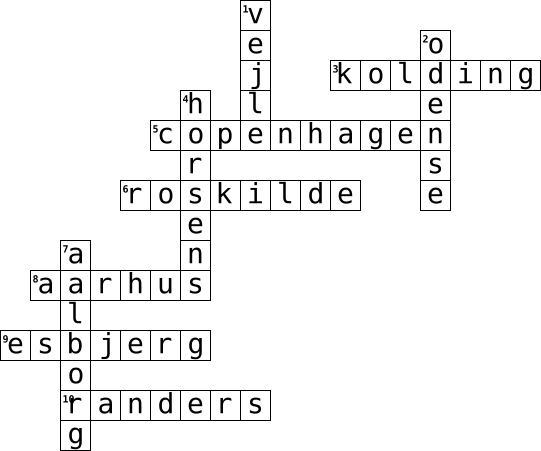
From the bustling bicycles of Copenhagen to the Viking echoes in Aalborg, each city offers its own slice of Denmark’s identity. Aarhus invites you to dive into vibrant festivals, Esbjerg carries the salt and wind of the sea, and Roskilde marries music and medieval tales in a unique dance of past and present. Alongside these gems, cities like Odense, Randers, Kolding, Horsens, and Vejle add their own textures to the country’s rich urban fabric.
In this journey through Denmark’s top destinations, we’ll explore what makes each city special. Expect a mix of cultural highlights, historical depth, and the modern vibes shaping how Danes live—and how visitors can experience it all. Whether you’re after a quiet stroll among ancient spires or the buzz of a contemporary festival, these cities offer a chance to connect with Denmark’s soul, one street at a time.
Copenhagen: The Cycling Capital and Cultural Hub
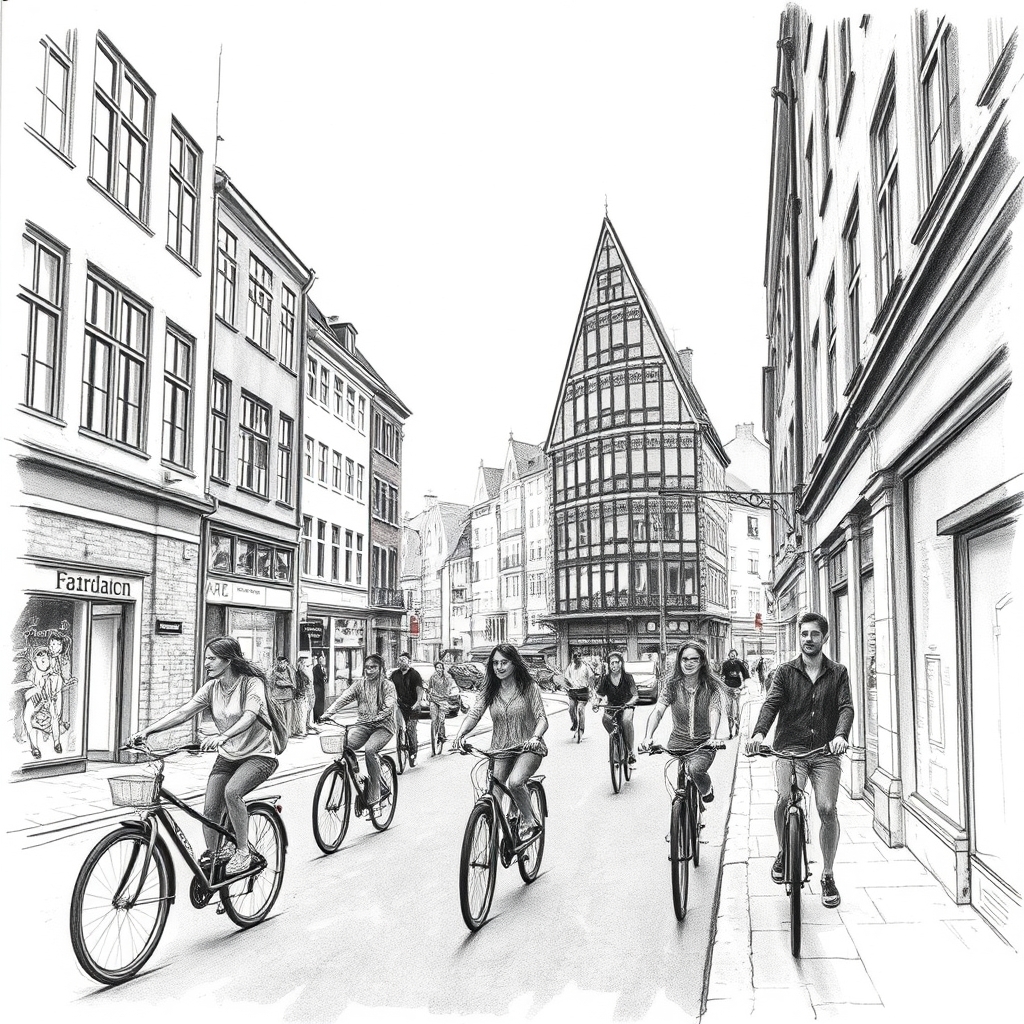
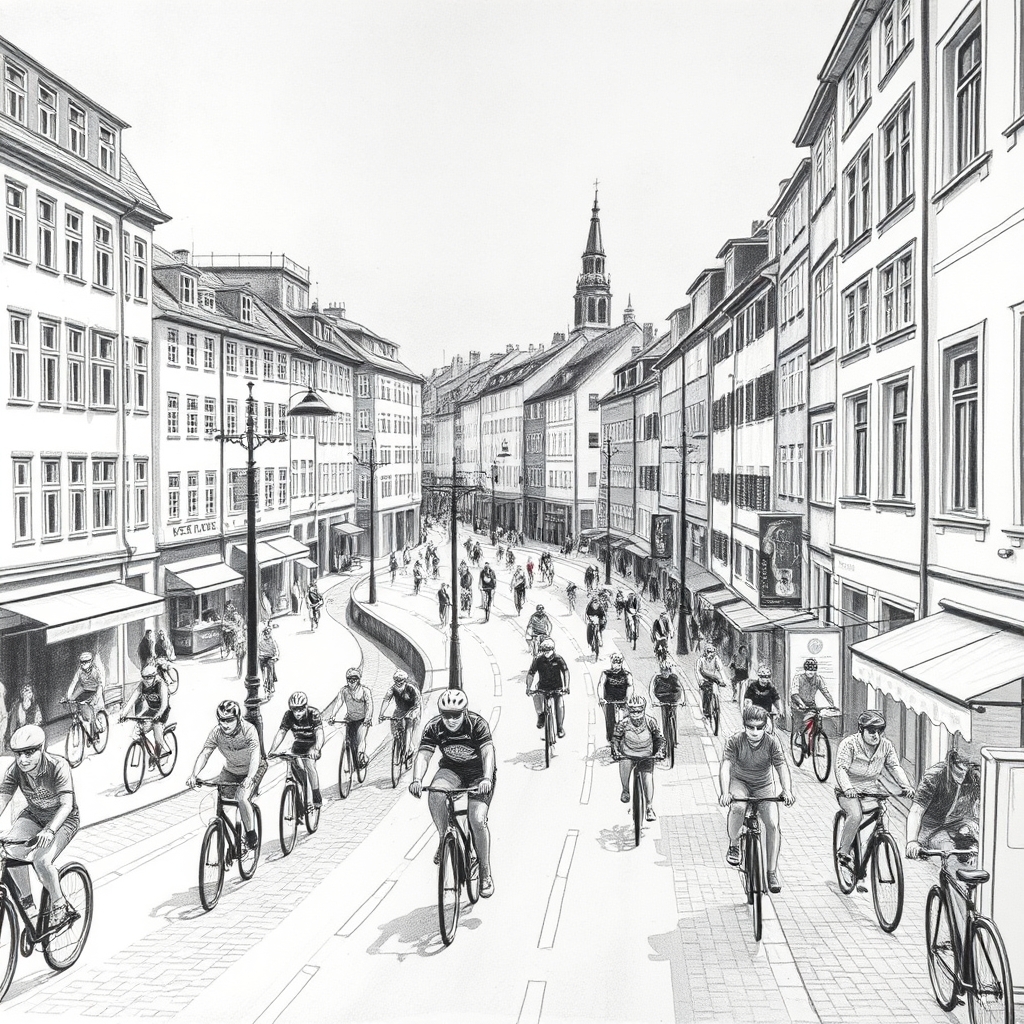
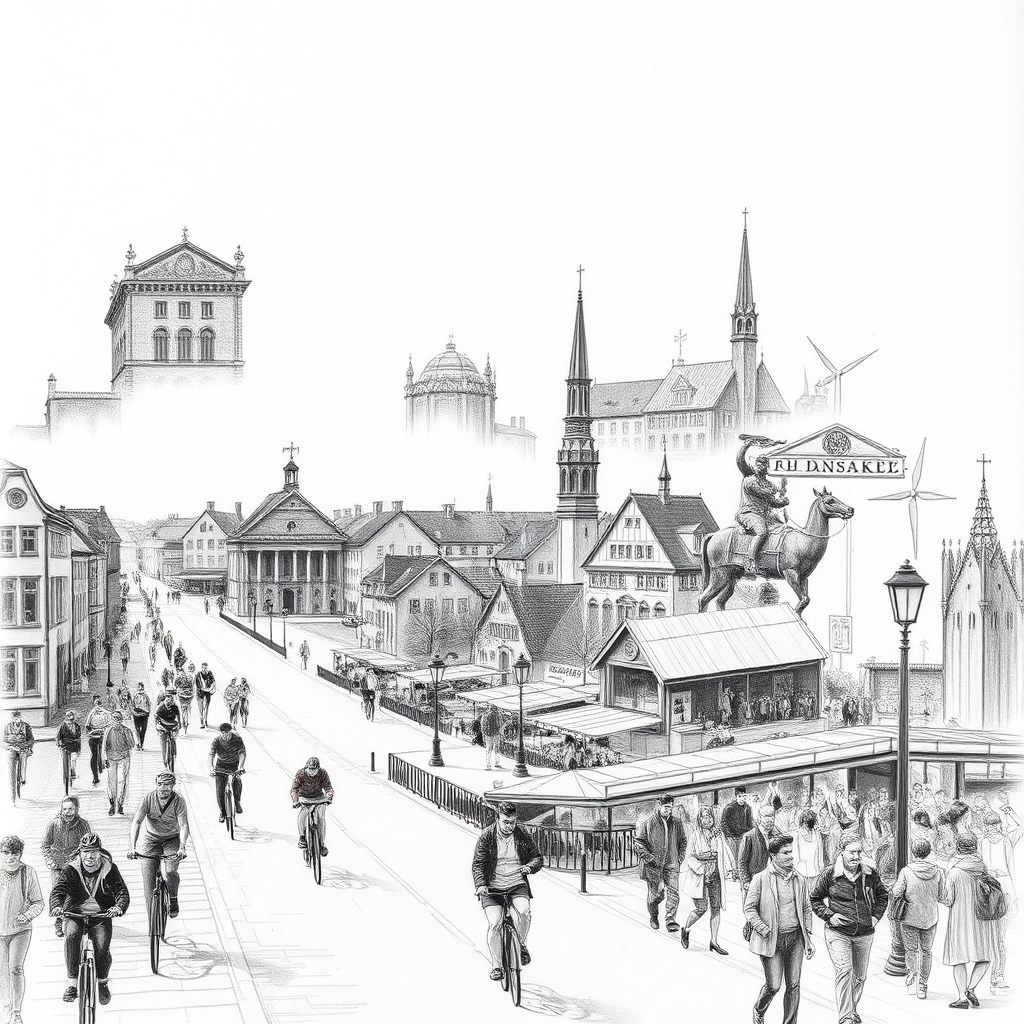
Step into Copenhagen, and the first thing that hits you is the constant rhythm of wheels on pavement—a city where bicycles outnumber cars, and cycling isn’t just transportation; it’s a way of life. Picture wide bike lanes threading through historic streets, buzzing with commuters and tourists alike, all moving with an easy, unhurried flow. The city’s commitment to cycling is more than eco-friendly—it shapes daily life, making Copenhagen feel lively yet relaxed, packed with personality.
This dedication to pedal power is visible everywhere. Infrastructure is built with the cyclist in mind—traffic signals timed for smooth riding, ample bike parking, even “cycling highways” connecting suburbs to the city center. It’s a silent but powerful testament to a culture that values sustainability, health, and community.
Looking ahead, Copenhagen is gearing up for an exciting moment on the world stage: the Copenhagen Sprint 2026, a prestigious international cycling race set for June 13-14. Imagine streets transformed into a thrilling battleground for elite cyclists, drawing visitors from across the globe. Beyond the race itself, this event promises to shine a spotlight on the city’s vibrant culture and forward-thinking spirit, inviting travelers to experience Copenhagen in all its dynamic energy.
Amidst this cycling fervor, the city balances historic charm with modern vitality. Cobblestone streets wind past colorful merchant houses and grand palaces, while neighborhoods like Nørrebro and Vesterbro buzz with trendy cafés, galleries, and markets. From the fragrant aroma of fresh pastries wafting through Torvehallerne food market to quiet moments along the waterfront, Copenhagen invites you to savor its unique blend of old and new.
Whether you’re here to explore royal history, indulge in New Nordic cuisine, or simply take in the hum of the city from a bike seat, Copenhagen’s welcoming pulse is impossible to resist. It’s more than a destination—it’s a way to see how culture, history, and modern life can spin together seamlessly, pedal stroke by pedal stroke.
Aarhus: A Festival City with Deep Cultural Roots
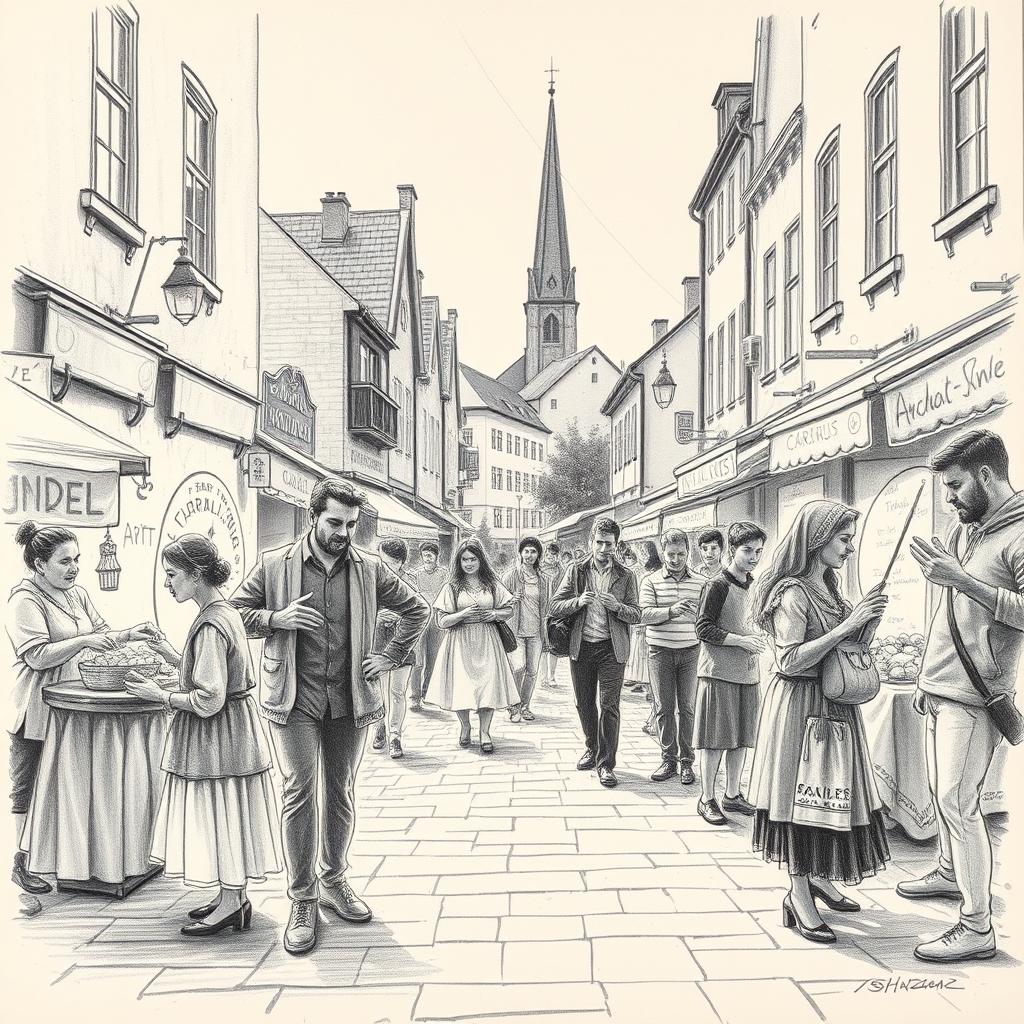
When autumn tiptoes into Aarhus, the city transforms into a vibrant canvas of colors, sounds, and stories. Aarhus Festuge, one of Scandinavia’s largest cultural festivals, fills the streets with an intoxicating mix of art, music, dance, and theater that draws locals and visitors into a shared celebration of creativity. Imagine wandering through galleries showcasing international artists one moment, then catching a lively outdoor jazz performance the next. It’s a joyful collision of the global and the local, reminding you that culture here isn’t just observed—it’s lived.
But beyond the festival’s big stages and buzzing events, Aarhus holds onto its authentic Danish spirit. There’s a quiet pride in the way locals embrace age-old customs, whether it’s through traditional food markets, folk dances, or storytelling sessions held in cozy cafés. During Festuge, these moments invite visitors to step beyond the usual tourist trail, to connect with a culture that feels both ancient and alive.
Aarhus is also a city on the move. Its role as a cultural and academic hub injects a youthful energy that fuels innovation and openness. Students from around the world add their voices, ideas, and rhythms, turning Aarhus into an ever-changing mosaic of people and perspectives. It’s a place where history and modernity don’t just coexist; they drive each other forward.
Strolling through Aarhus, you can sense a city proud of its past and curious about its future—where every event and encounter offers a chance to experience Denmark’s rich cultural tapestry up close.
Aalborg: Viking History Meets Modern Innovation
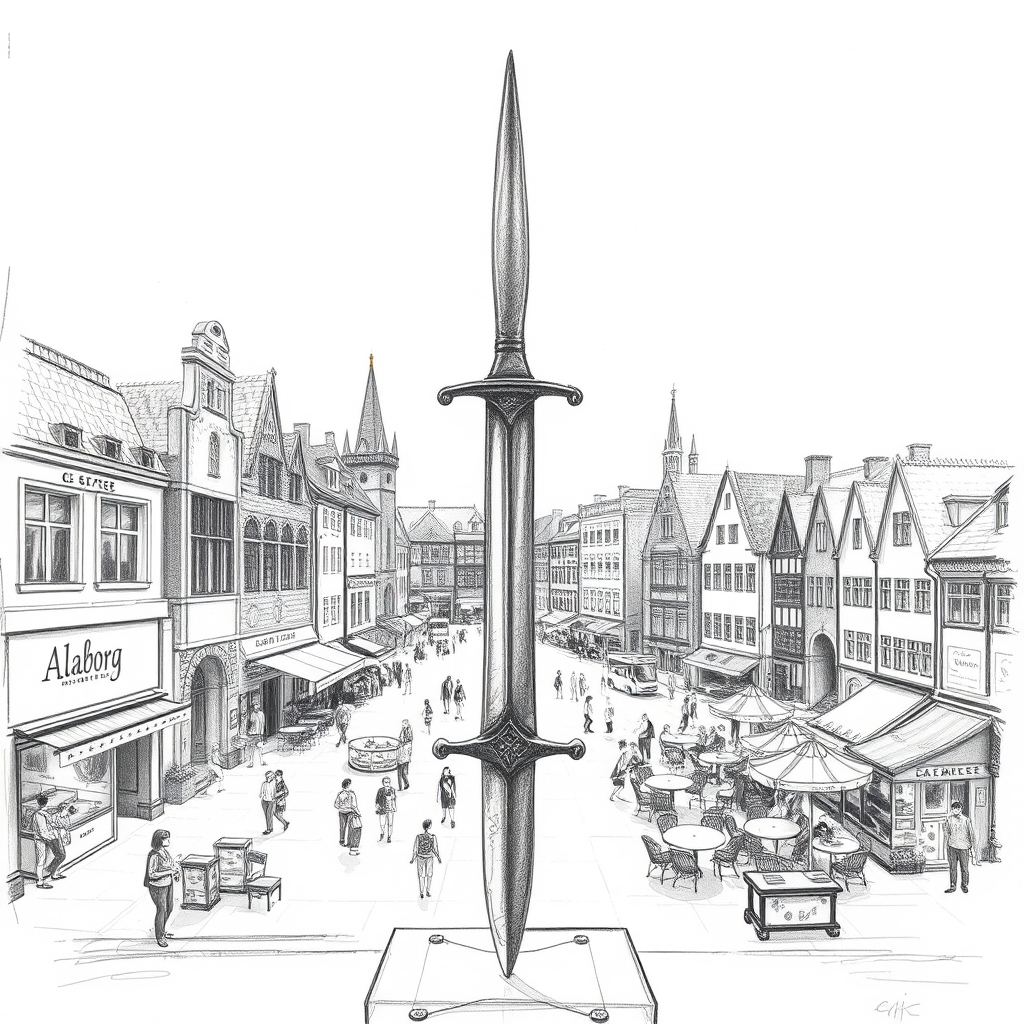
Step into Aalborg, and you can almost hear the echo of clashing swords and rowdy Viking gatherings mingling with the hum of electric scooters and modern cafes. This city wears its Viking roots like a well-loved cloak—rough around the edges but proudly visible. Wandering through Aalborg’s cobblestone streets, you find yourself walking paths once trodden by fierce seafarers whose stories ripple through local legends and archaeological finds. One such discovery—a medieval sword unearthed not far from the city center—reminds visitors that beneath the modern facade lies a rich tapestry of history waiting to be touched.
Aalborg hasn’t merely preserved its past as a museum piece. Instead, it blends tradition with innovation, a balance that feels both natural and inspiring. Cultural institutions celebrate the city’s heritage through festivals and exhibits, while universities and tech hubs push the limits of contemporary creativity. This is a city where Viking sagas coexist with vibrant street art, and centuries-old architecture stands shoulder to shoulder with sleek new developments.
For visitors, Aalborg offers an intriguing mix: stroll the historical quarters, visit museums that bring Vikings to life, then duck into a trendy café or catch a concert that pulses with energy. The city invites you to experience history not as something distant but as a living, breathing part of everyday life—reminding us all how the past shapes the present, and the present reimagines the past.
Esbjerg: Maritime Legacy and Sustainable Future
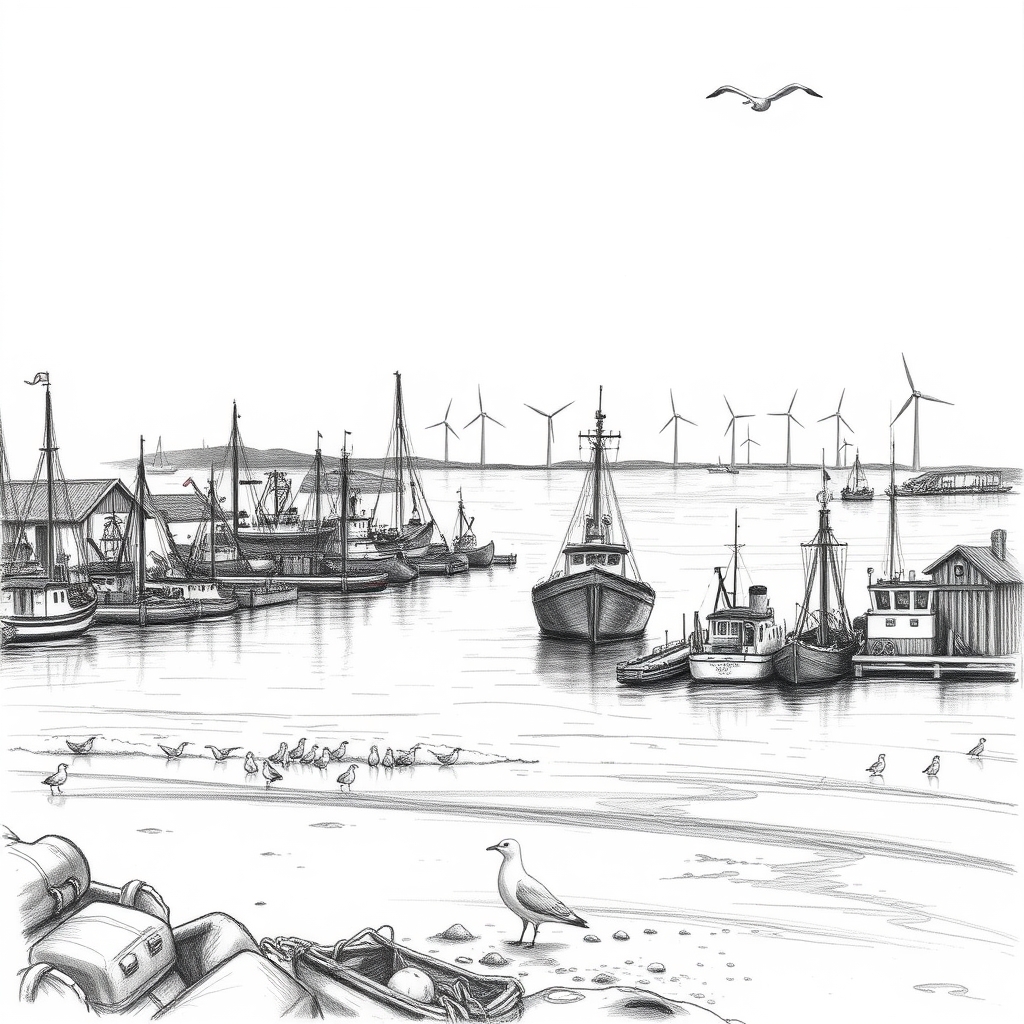
Step off the train in Esbjerg, and the salty tang of the North Sea seems to mingle with the hum of progress. This city’s identity has long been tied to its harbor—a rugged, bustling gateway where fishing boats once unloaded the day’s catch and trade ships charted courses across icy waters. For generations, Esbjerg was Denmark’s outward-looking face, a hardy port city shaped by the rhythms of the sea.
Fishing dominated life here for more than a century, weaving itself into the city’s economy and culture. Families lived and breathed the tides; the scent of fresh fish, the creak of weathered nets—these were the textures of daily existence. Even today, the maritime spirit quietly pulses through Esbjerg’s streets and museums, where you can trace the evolution from traditional fishing crafts to modern marine technology.
But Esbjerg is not anchored solely in the past. By 2026, it is set to play a starring role in Denmark’s green energy ambitions, emerging as a hub for the offshore wind industry. Giant turbines rise offshore, their slow, graceful turns promising a future powered by clean energy. This shift blends innovation with heritage: the same sea that sustained fishermen now fuels wind farms that are transforming the region’s economy.
Visiting Esbjerg means exploring a city where history and modernity meet on the waterfront. Maritime museums unfold captivating stories of seafaring life and industrial change. The harbor buzzes with activity—a living reminder that Esbjerg remains a city of movement and connection. On the coast, windswept beaches invite quiet reflection, while seafood restaurants serve up the freshest catches in warm, welcoming settings.
Here, the past is a foundation, not a relic. Esbjerg’s journey from fishing port to sustainable energy pioneer offers a compelling glimpse into how a city can honor its roots while boldly shaping what comes next. For travelers curious about the tides of history and progress, Esbjerg’s shores hold both story and promise.
Roskilde: Music, Vikings, and Vibrant Cultural Events
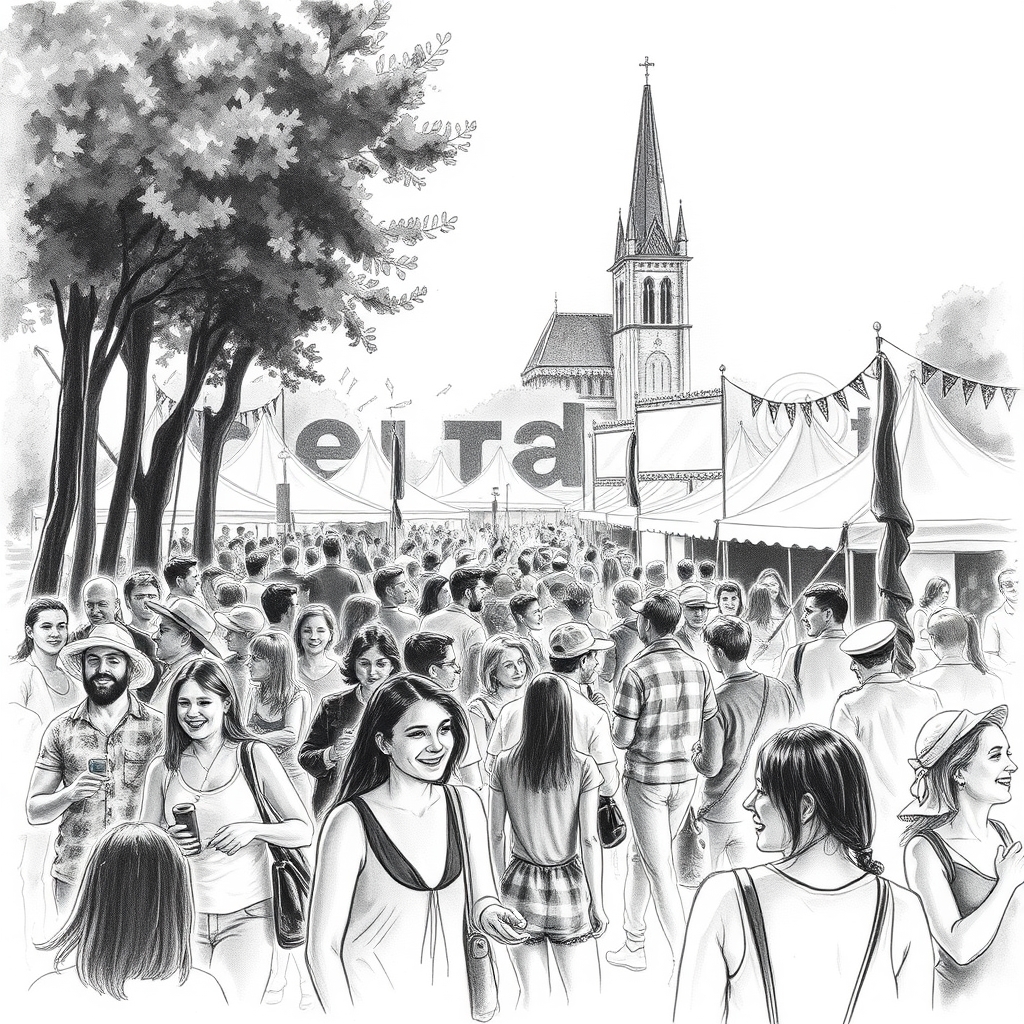
Step into Roskilde in late June or early July, and you’ll hear the distant roar of crowds gathering for one of Europe’s most iconic music festivals. The Roskilde Festival isn’t just a week of concerts—it’s a living, breathing celebration of community, creativity, and Danish spirit. Since it began in 1971, the festival has grown into a cultural phenomenon that draws artists and audiences from all corners of the globe, transforming this charming city into a kaleidoscope of sound, color, and energy. It’s more than music—it’s a statement about togetherness and innovation that perfectly mirrors Denmark’s open and forward-looking culture.
But Roskilde’s story doesn’t end when the stages go quiet. Peel back the layers of modern excitement, and you’ll find the heartbeat of a city deeply entwined with Viking lore. In summer and autumn, the streets come alive with Viking reenactments and medieval fairs where history is not just read but worn, heard, and tasted. These events invite visitors to step into the past, donning the rough-spun clothes of longships and long winters, hearing the clatter of swords, and smelling the smoke of open fires. It’s a rare chance to touch history’s pulse, feel the grit of the old world, and hear stories of fearless seafarers and legendary battles passed down through generations.
Nearby, the majestic Roskilde Cathedral stands as a silent sentinel—its Gothic spires weaving together threads of royal history and architectural mastery. Within its walls lie the tombs of Danish kings and queens, a reminder of Roskilde’s centuries-old importance. Beyond the cathedral, a modern cultural scene thrives with museums, galleries, and cozy cafés where local art and contemporary life mingle effortlessly.
Roskilde perfectly balances the energy of a modern city with the echoes of its vibrant past. Whether you’re swaying to a band under festival lights, witnessing a sword fight on cobbled streets, or quietly reflecting beneath vaulted ceilings, this city offers a deeply human connection to time, culture, and community. It’s a place where every moment invites the question: what stories will you carry forward?
Conclusion
As we’ve wandered through Denmark’s cities, a clear picture emerges: each place is a living blend of past and present, where history isn’t locked behind glass but woven into everyday life. Copenhagen’s streets hum with the rhythm of endless cyclists, a modern tribute to a city always on the move. Aarhus pulses with creativity and tradition, inviting you into its grand festival and intimate cultural moments. Aalborg stands as a proud keeper of Viking stories while shaping tomorrow with innovation. Esbjerg’s maritime spirit sails alongside its push for sustainable energy, and Roskilde beats with the energy of music and medieval reenactments, bridging centuries in a festival of life.
This journey reminds us that Danish cities aren’t mere dots on a map—they’re vibrant communities where heritage and progress meet in harmony. Whether you’re tracing Viking footsteps, cycling along canal shores, or soaking in a festival crowd, Denmark’s urban heartbeat offers something uniquely human and beautifully alive.
So why not take that first step? Explore these towns where every corner holds a story, every street invites a new adventure. Denmark’s cities are ready to welcome you—curious, open, and full of surprises that make the past feel close enough to touch and the future bright with promise.










-
 Jigsaw Puzzles
Trolltunga Abstract Jigsaw Puzzle 250 | 300 | 500 Pieces
Price range: kr 348,00 through kr 439,00 Select options This product has multiple variants. The options may be chosen on the product page -
 Jigsaw Puzzles
Twelve Zodiac Mice Ink Wash Jigsaw Puzzle 250 | 300 | 500 Pieces
Price range: kr 348,00 through kr 439,00 Select options This product has multiple variants. The options may be chosen on the product page -
 Jigsaw Puzzles
Norwegian Stave Church Abstract Jigsaw Puzzle 250 | 300 | 500 Pieces
Price range: kr 348,00 through kr 439,00 Select options This product has multiple variants. The options may be chosen on the product page