

Introduction
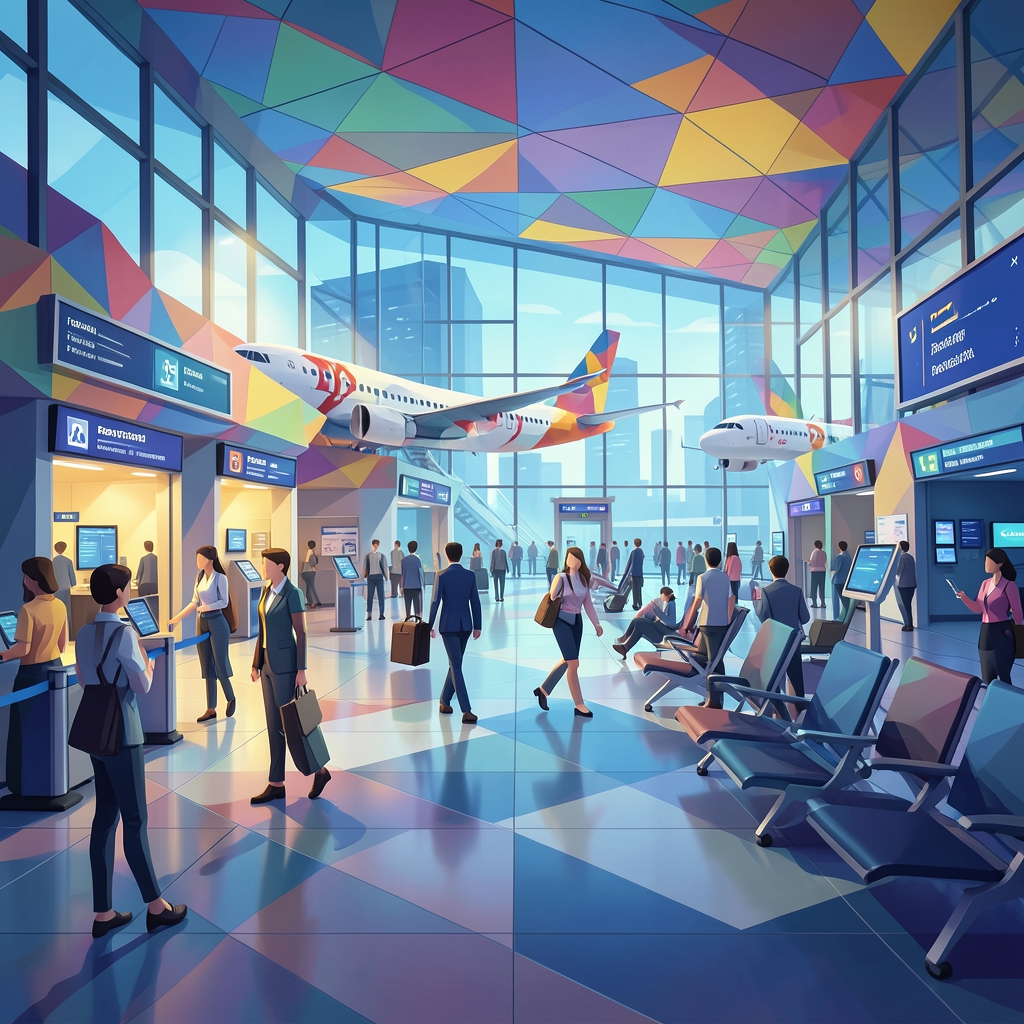
2026 is shaping up to be a pivotal year for airports around the globe. Passenger numbers are climbing faster than ever, and travelers are coming with higher expectations—more speed, more comfort, and yes, a bit of wow-factor too. Airports aren’t just filling seats anymore; they’re racing to keep up with capacity while juggling operational headaches and pushing innovation into overdrive.
The usual heavy hitters—Oslo Gardermoen, Heathrow, JFK, Charles de Gaulle, Frankfurt, Schiphol, Narita, Kastrup, Arlanda, and Dubai—are leading the charge. Some are expanding, some contracting, and others reinventing what it means to be a modern airport. From smarter security tech to reimagined lounges and new direct flight routes, these hubs are the launchpads for the future of travel.
But it’s not all smooth skies. Conflicts and weather still throw curveballs, testing crisis response and patience. This article dives into those trends—spotlighting who’s winning the race, who’s facing turbulence, and what every traveler can expect when stepping into an airport in 2026. Buckle up, the future of flying is already unfolding.
1. Capacity Trends at Oslo Gardermoen and UK Airports
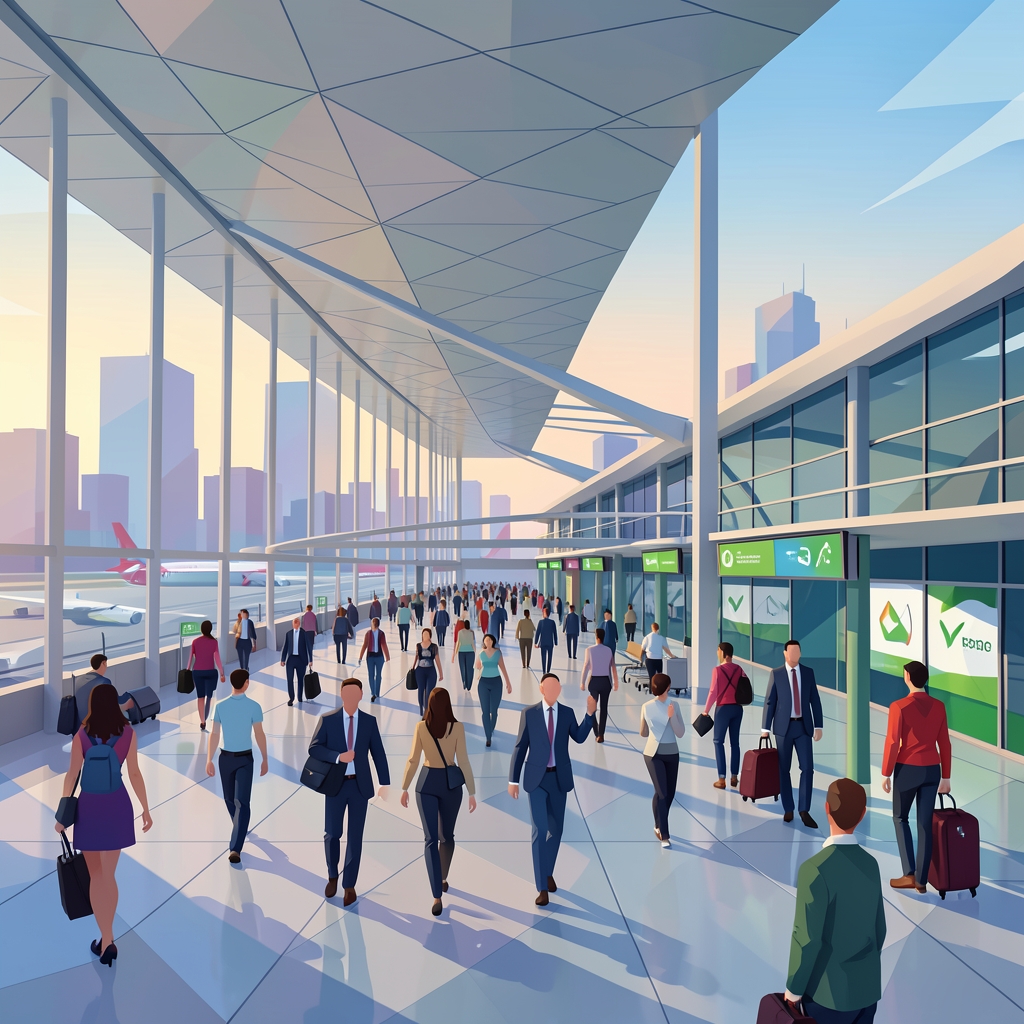
Oslo Gardermoen Airport is quietly carving out a solid growth story in 2026. While many airports face hurdles, Gardermoen keeps its runway clear for steady capacity increases. What’s driving this? A mix of Norway’s growing outbound travel appetite and strategic infrastructure upgrades — new terminal spaces and smarter logistics systems that handle more passengers without turning the place into a mad house. It’s subtle but effective: more arrivals and departures, smoother flow.
Flip over to the UK, and you’ll spot a very different vibe. Outside the buzzing heart of Heathrow, many UK airports are actually dialing down capacity. Regional hubs are tightening their belts due to shifts in demand and constraints like airspace limits and environmental pressures. It means fewer flights, reduced connections, and a real pinch for travelers relying on these regional airports to keep Britain well connected.
Heathrow, in contrast, is playing a different game. Despite the surrounding pullback, it’s ramping up capacity in smart, targeted ways. New direct flights — like the game-changing Delhi-Heathrow route from Indigo — are rewriting connectivity rules. This sort of strategic boost isn’t just about adding seats; it’s about creating new pathways that make traveling greener, faster, and more convenient. Heathrow’s focus on these route innovations is a clear sign: capacity management here isn’t about more for the sake of more, but about smarter, meaningful growth.
The takeaway? While some airports trim their wings, others like Oslo Gardermoen and Heathrow are charting a growth course, proving that capacity isn’t just numbers on a page — it’s about enabling better journeys and new opportunities on a global scale.

2. Heathrow’s New Direct Flight Initiatives
Heathrow is not just keeping pace in 2026—it’s setting the tempo. As other UK airports trim back on capacity, Heathrow is doubling down with a fresh batch of direct flights that are rewriting connectivity rules. The headline grabber? A shiny new Delhi to Heathrow route, courtesy of Indigo Airlines. This isn’t just a geographic gain; it’s a game-changer for travelers looking to slice hours off their journeys and skip those dreaded layovers.
Direct flights like these do more than just ease travel—they turbocharge it. For passengers, that means less turf to cover between takeoff and touchdown, and more time doing what matters on the ground. For airlines, these routes open doors to under-served markets, boosting business links and tourism alike. Heathrow’s strategy here feels like the future decoded: laser focus on smart connections that serve up convenience and opportunity.
With these initiatives, Heathrow is proving that even in a landscape marked by cuts elsewhere, bold moves can create flight paths that fly above the noise—and straight into tomorrow’s traveler demand.
3. Passenger Relief at JFK Amid Middle East Conflicts and Dubai Delays
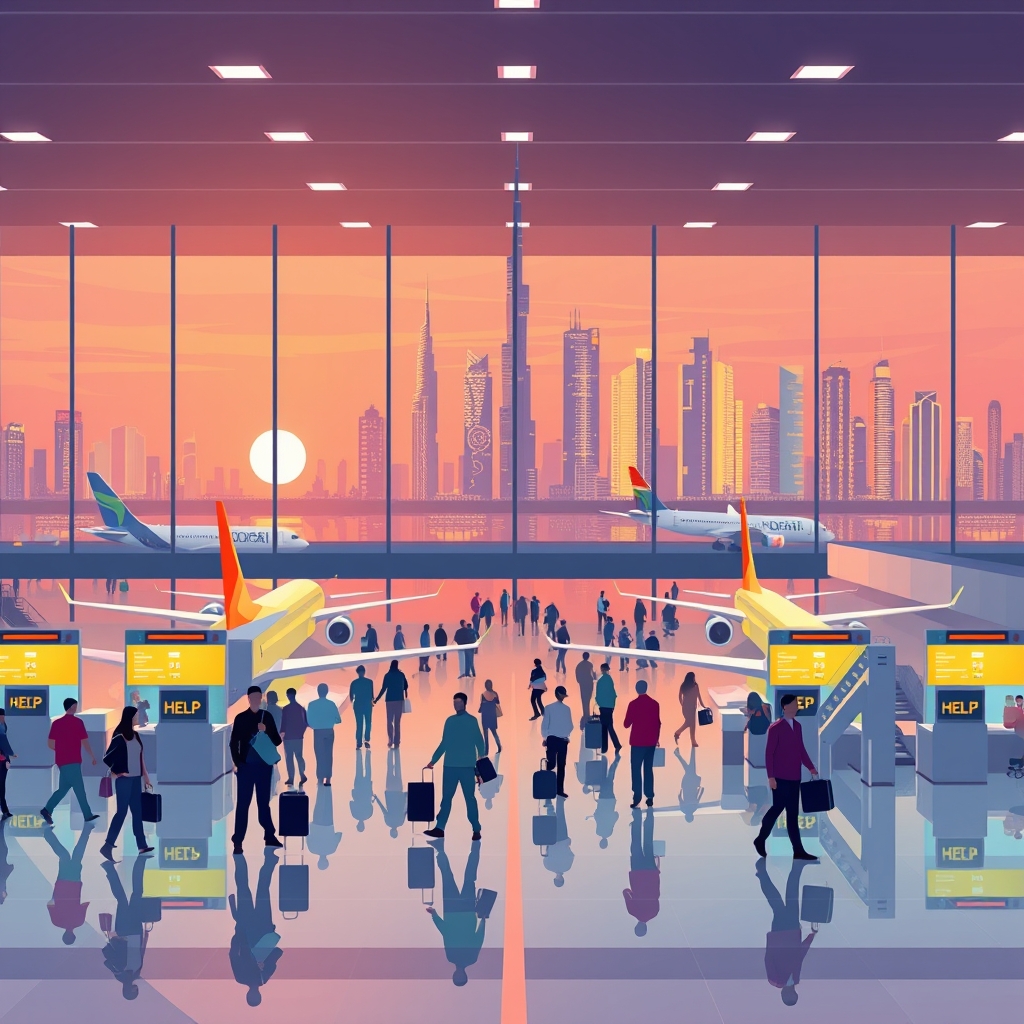
When trouble hits in one part of the world, ripple effects show up everywhere—especially in air travel. The ongoing conflicts in the Middle East in 2026 rattled one of the busiest global crossroads: Dubai airports. Flights stalled, passengers were stuck, and many U.S. citizens found themselves stranded far from home longer than expected. Enter JFK Airport, the unexpected landing pad for relief.
Dubai’s airport delays weren’t just minor inconveniences. With increased security measures and flight cancellations, travelers faced extended layovers, missed connections, and a lot of uncertainty. U.S. authorities, airlines, and airport teams had to scramble to coordinate last-minute reroutes and manage the sudden flood of passengers diverted to New York. JFK quickly turned from a regular international hub into a critical relief point, handling hundreds of affected travelers that otherwise would’ve been caught in chaotic holding patterns.
The airport’s response was pragmatic and human. From setting up dedicated help desks to arranging emergency accommodations and communicating clearly with worried passengers, JFK showed how crisis management can work without losing the traveler’s trust. Cases of extended layovers and delayed departures became stories of swift coordination and calm amid chaos. It was a real-world test of how global airports adapt when the unexpected becomes the new normal.
This all highlights something crucial: airports are more than just transit points; they’re adaptable anchors in a turbulent network. When conflicts and delays shake the skies, it’s the on-the-ground coordination—real people, real actions—that keeps the wheels turning and passengers moving forward.
Source: NY1 news coverage on U.S. citizens arriving at JFK from Dubai.
4. Innovations at Charles de Gaulle and Frankfurt Airports
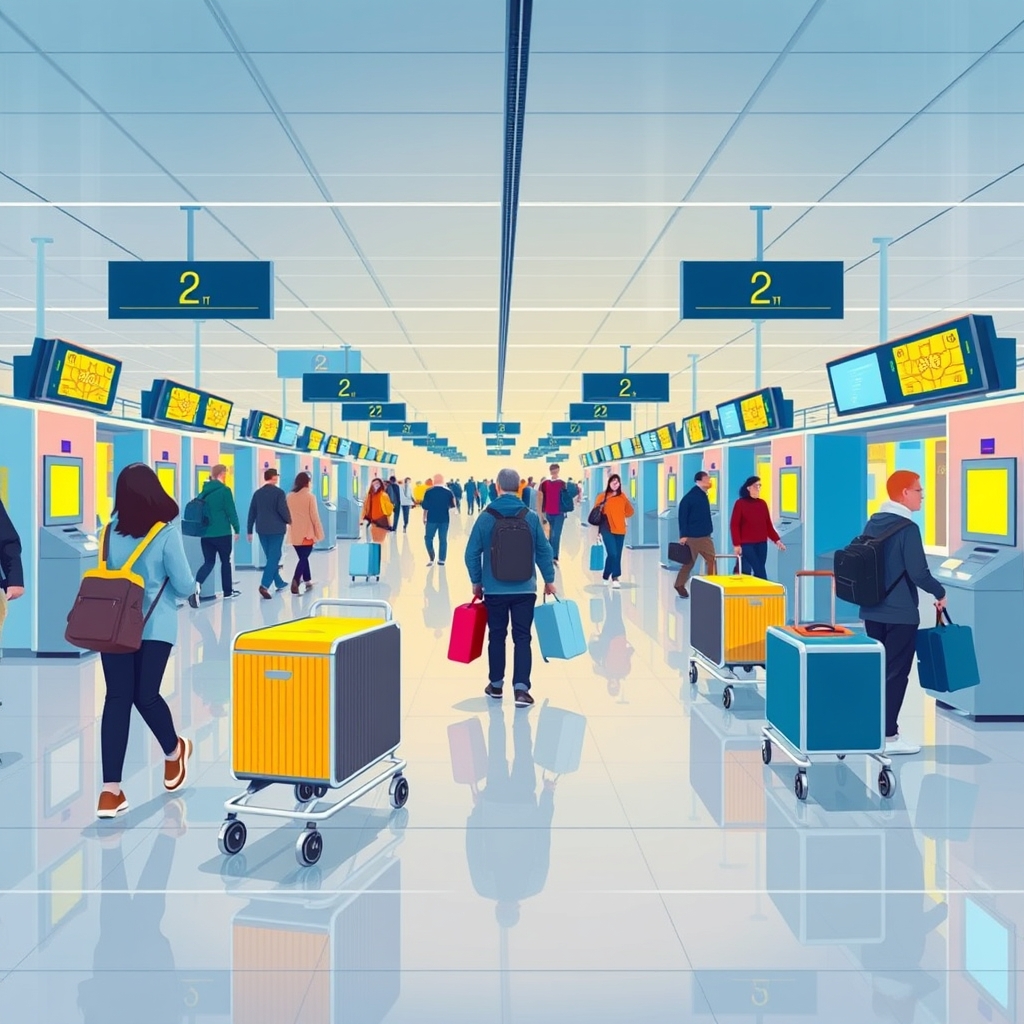
Picture this: your bag zipping through the airport on a smart, invisible conveyor belt, while high-tech scanners quietly slice through lines with surgical precision. That’s the future Charles de Gaulle and Frankfurt airports are already living in.
At Charles de Gaulle, AI is no longer a sci-fi buzzword—it’s the brain behind baggage handling. Instead of lost luggage nightmare scenarios, travelers benefit from real-time tracking powered by machine learning models that predict and prevent mishaps before they happen. Your bag’s journey is practically an open book for those systems, slashing delays and reducing the stress of airport waits.
Meanwhile, Frankfurt Airport has flipped security checks into a smoother experience. Next-gen scanners scan faster and smarter, cutting down the long queues that used to test even the calmest souls. The tech identifies threats with laser focus, so you breeze through without that dreaded “take off your belt” moment. Together, these innovations have transformed both airports into some of the least stressful in Europe for 2026—a remarkable feat given how hectic travel can still feel.
This isn’t just about fancy gadgets. Faster baggage handling and streamlined security mean airports run like well-oiled machines, airports can handle more passengers without adding chaos. Plus, happier travelers mean better reviews and loyalty—a win-win. In a world where airport delays and lost bags were once standard, Charles de Gaulle and Frankfurt offer a clear glimpse of how tech upgrades are rewriting the rulebook. The future of air travel? It’s already checked in.
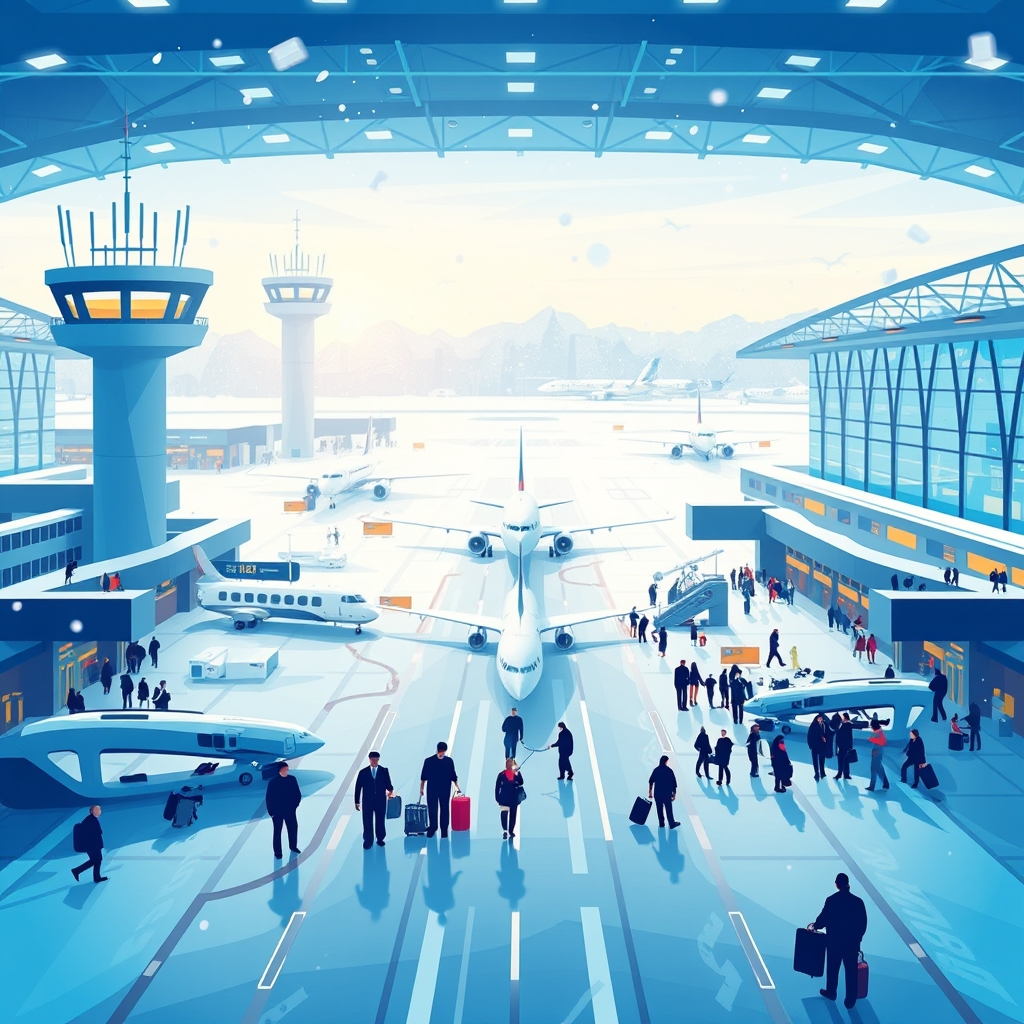
5. Delay and Cancellation Challenges at Schiphol and Narita Airports
Imagine gearing up for a smooth trip through Schiphol or Narita, only to find your flight stuck in limbo. That’s been the reality in 2026, with delays and cancellations throwing a wrench into travel plans at these busy gateways.
At Schiphol, winter weather turned from a scenic backdrop to a major disruptor. Icy runways and heavy snowstorms sparked wave after wave of canceled and delayed flights. It wasn’t just about inconvenience — it rippled through the network, creating bottlenecks that affected connecting passengers on long-haul journeys. Travelers found themselves juggling last-minute rebookings, extended layovers, and a fair share of airport frustration. The usual buzz of Schiphol turned into a waiting game under harsh conditions.
On the other side of the world, Narita faced a different beast: unexpected aircraft damage hitting operational flow. With some planes sidelined, the airport struggled to keep schedules on track. This translated into cascading delays and cancellations, particularly impacting Japan Airlines flights. The silver lining? Airlines and airport teams ramped up customer service to help stranded passengers navigate rebooking maze and keep them informed — but the road to smoother operations is still ahead.
Passengers frequently asked: What are my options? How long’s the wait? Can I change my flight without penalty? Schiphol and Narita worked hard to answer these questions, boosting communication channels and making rebooking processes more accessible. Yet, the disruptions highlighted a tough reality — as airports grow busier and operations more complex, resilience becomes the name of the game.
Behind the scenes, industry players are doubling down on smarter scheduling and improved contingency planning. Winter-proofing infrastructure at Schiphol and faster aircraft maintenance at Narita are already in the works. In 2026, these challenges are less a setback and more a call to future-proof global travel hubs for whatever tomorrow throws their way.
6. Luxury and Expansion Developments at Kastrup and Arlanda Airports
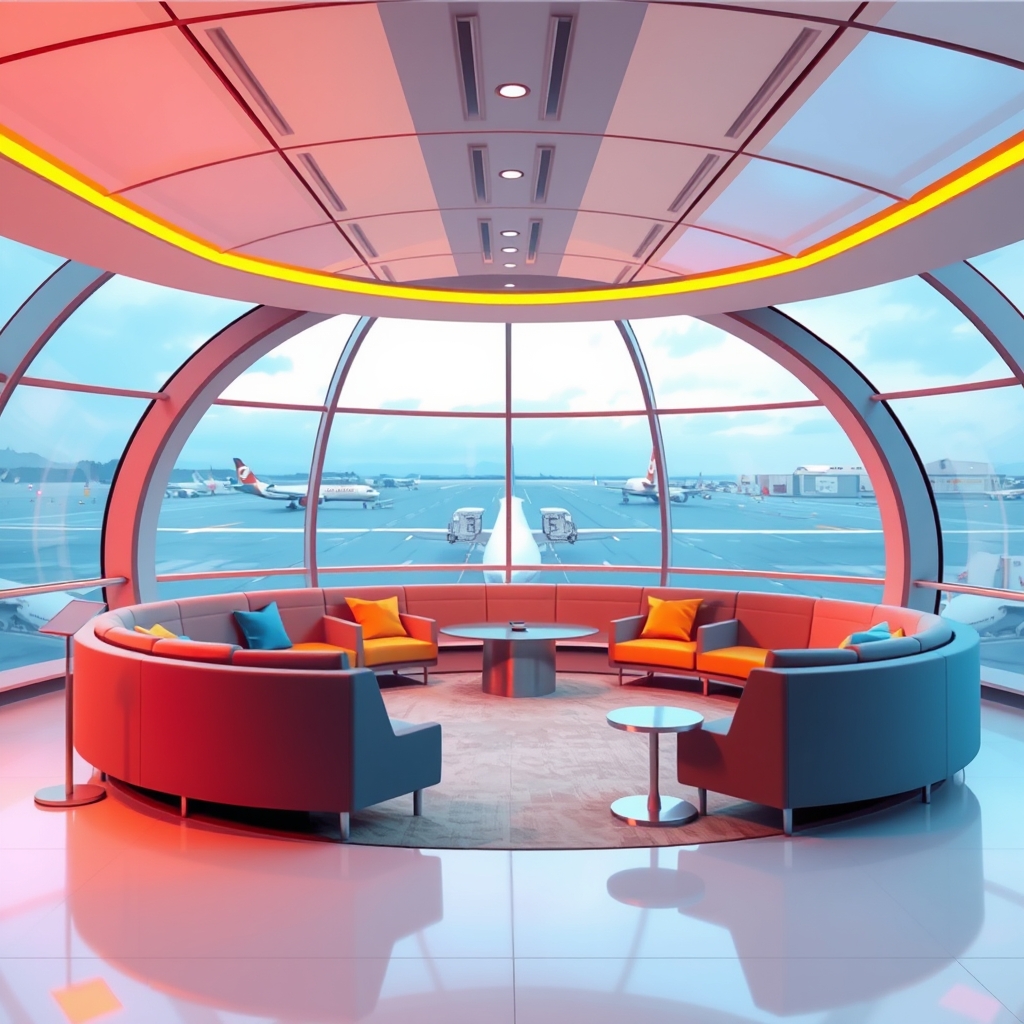
Copenhagen Kastrup Airport is stepping up its game with the Eventyr Lounge — a sleek new space designed to make layovers feel less like waiting and more like unwinding. Picture this: a circular lounge wrapping around with panoramic 180-degree views of the runways, where you can watch planes taxi, take off, and land while sipping on something fresh. It’s not just about the views; the Eventyr Lounge blends minimalist Scandinavian design with plush comfort, creating an oasis of calm and style for travelers craving a break from the usual airport chaos. From gourmet snacks and quiet zones to tech-forward charging stations, every detail is crafted for those who know that the journey matters as much as the destination.
Meanwhile, just north in Stockholm, Arlanda Airport is pushing its boundaries with ambitious expansion projects aimed at turning the hub into a major Scandinavian gateway. This isn’t just adding gates or terminals — Arlanda is overhauling infrastructure to boost capacity and streamline passenger flow, all while integrating smart tech to enhance service. Think bigger lounges, faster check-ins, and upgraded transit connections that make hopping onto international flights smoother than ever. These upgrades are designed to support growing demand while positioning Arlanda as a key player on the global air travel stage.
Together, these developments at Kastrup and Arlanda signal a clear message: Scandinavia is ready to offer travelers more than just efficient journeys. It’s about creating spaces that anticipate future needs—combining luxury, technology, and thoughtful design to elevate the entire travel experience. For anyone flying through Northern Europe, these airports won’t just be points on a map in 2026—they’ll be destinations to look forward to.
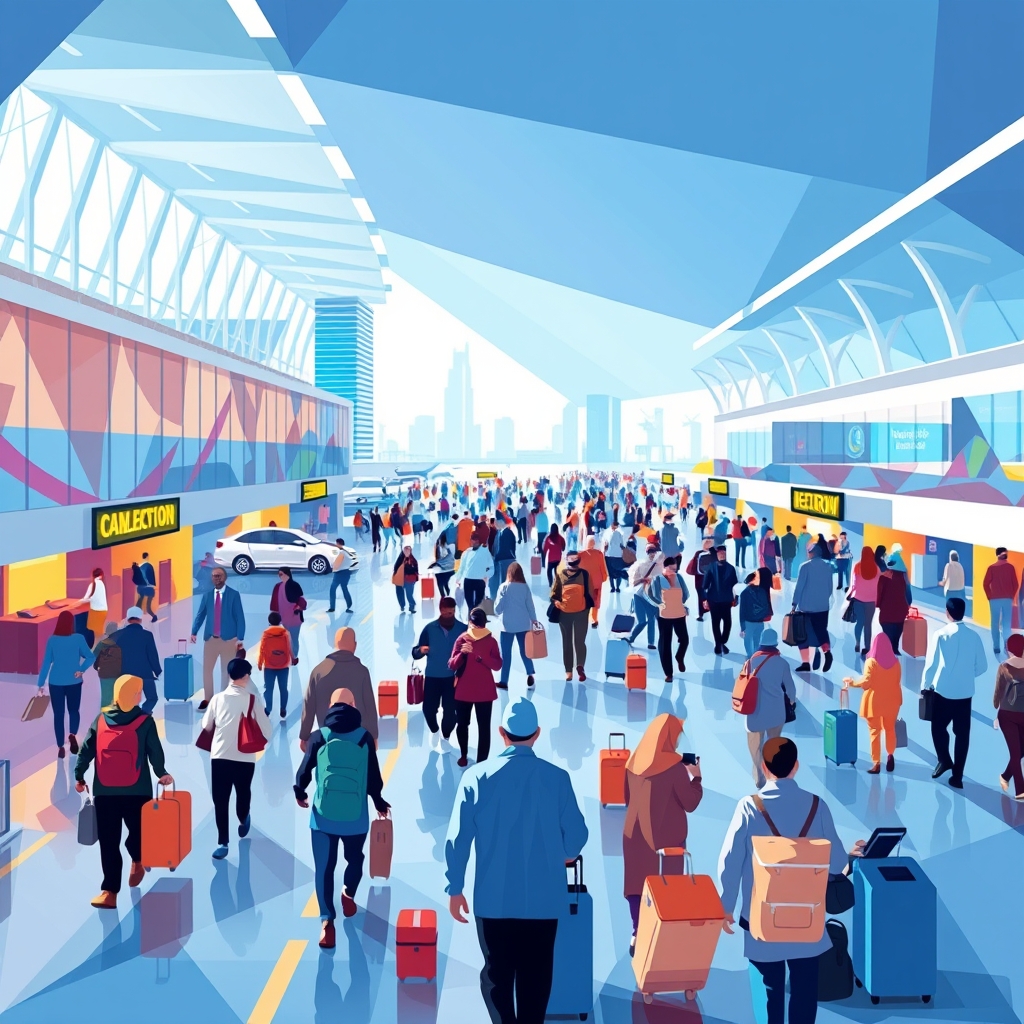
7. Customer Service Successes and Challenges at Dubai and Heathrow Airports
Dubai Airport’s been a mixed bag in 2026. On the plus side, their teams showed impressive speed getting travelers rebooked after sudden flight disruptions — think of it as a well-oiled backup plan kicking into gear. But even the best plans hit snags when flights get diverted unexpectedly. Passengers found themselves stuck longer than anyone wanted, juggling last-minute changes and the frustration that comes with uncertainty. The ripple effects? More crowded lounges, strained staff, and rising tension.
Heathrow, meanwhile, played a tougher game this year. They’ve gotten better at smoothing over delays, with customer service stepping up to keep travelers informed and comfortable during hold-ups. But handling large-scale disruptions — like weather-related cascades or technical glitches — still stretches their systems thin. Some passengers praised the quick updates and helpful staff, while others felt the scale of crowds and delays exposed cracks in the service armor.
What’s the takeaway? Both hubs are laser-focused on learning from these bumps in the road. Future strategies lean heavily on smart tech—think AI-powered communication tools that keep travelers in the loop automatically—and beefing up on-the-ground support when the unexpected hits. The goal? Turn chaos into calm, faster. Because in airports of tomorrow, great customer experience isn’t just a nice-to-have — it’s the runway to success.
Conclusion
2026 is shaping up to be a defining year for airports worldwide. Innovation isn’t just a buzzword—it’s the backbone keeping airports running smoothly as passenger numbers climb and expectations evolve. From Oslo’s steady capacity builds to Heathrow’s bold new routes, airports are playing a complex balancing act: expanding where they can, managing delays where they must, and investing in tech that makes travel feel less like a hassle and more like part of the adventure.
But it’s not just about adding more flights or bigger lounges. Airports are learning fast that resilience—how they handle disruption—is just as critical as growth. JFK stepping in during the Middle East turmoil and Charles de Gaulle’s AI-powered baggage handling show that future-ready means being ready for anything, not just sunshine and full skies.
Looking ahead, the airports to watch aren’t necessarily the largest or the flashiest. It’s the ones innovating smartly—combining practical upgrades with guest experience twists—that will set the tone for travel’s next chapter. So whether you’re an industry insider or a globe-trotting passenger, keep your eye on these hubs. The future of flying is already taking shape, and it’s looking bright, bold, and a little bit brilliant.














-
 Jigsaw Puzzles
Elegant Pig Zodiac Watercolor Jigsaw Puzzle 250 | 300 | 500 Brikker
Price range: kr 348,00 through kr 439,00 Select options This product has multiple variants. The options may be chosen on the product page -
 Jigsaw Puzzles
Flåm Railway Abstract Art Jigsaw Puzzle 250 | 300 | 500 Pieces
Price range: kr 348,00 through kr 439,00 Select options This product has multiple variants. The options may be chosen on the product page -
 Jigsaw Puzzles
Zodiac Ink Art Puzzle: The Playful Monkey 250 | 300 | 500 Pieces
Price range: kr 348,00 through kr 439,00 Select options This product has multiple variants. The options may be chosen on the product page