
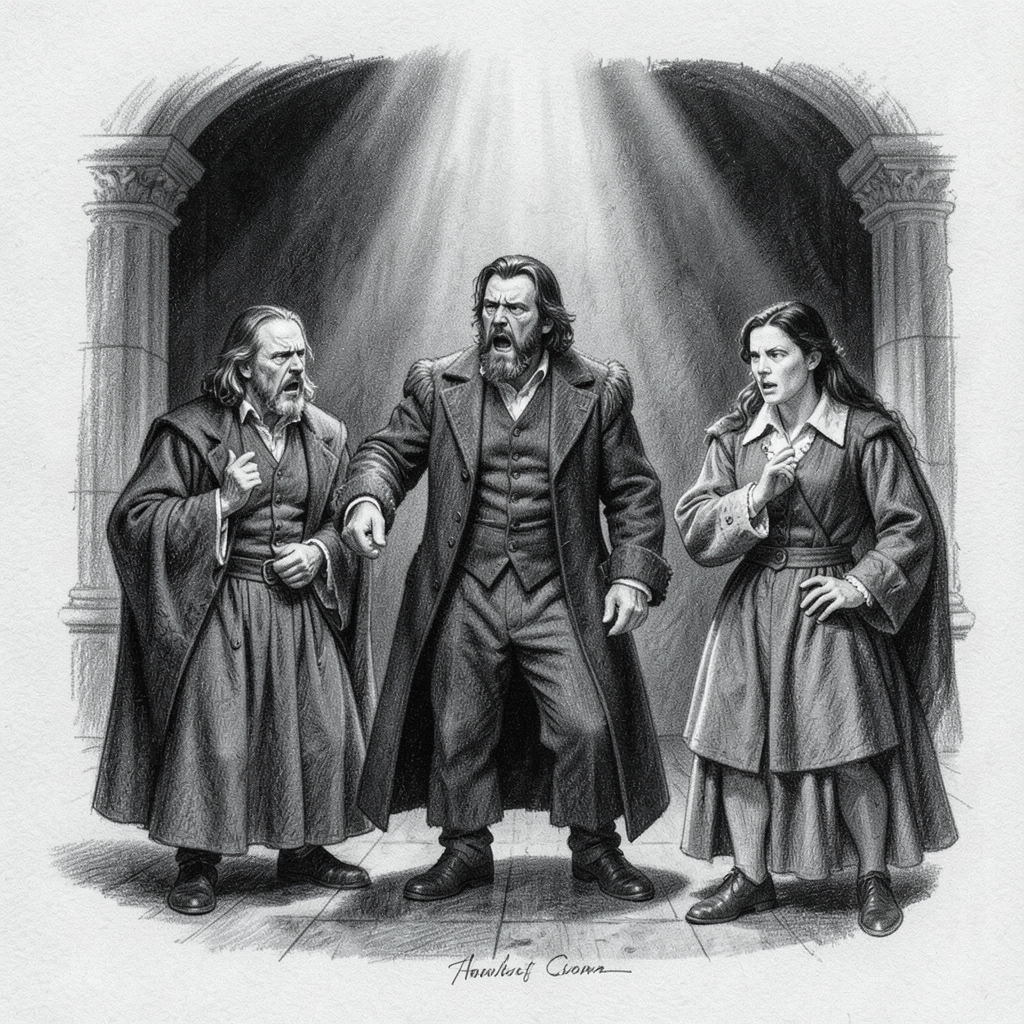
Picture a crowded Elizabethan playhouse, the air thick with anticipation and the scent of burning wood and pine tar, as the crowd waits for the next scene to unfold. This is drama—alive, raw, and pulsing with the urgency of human experience. At its best, drama is a mirror held up to life, reflecting our deepest fears, desires, and contradictions, all played out beneath the spotlight. It’s more than just scripted lines; it’s a conversation between the stage and the soul.
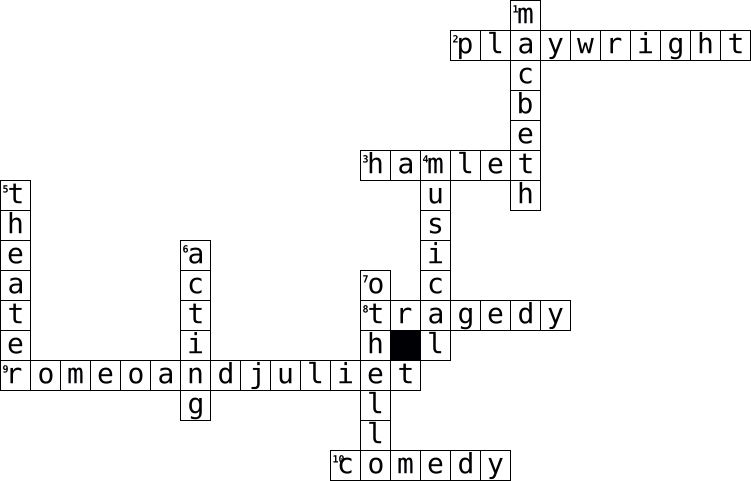
William Shakespeare stands at the heart of this art form like no other. His name alone conjures images of kings, star-crossed lovers, mad princes, and cunning jesters. He didn’t just write plays; he shaped drama itself. Shakespeare’s works—whether the dark ambition of Macbeth, the tangled revenge in Hamlet, or the tragic romance of Romeo and Juliet—capture the full spectrum of human emotion with a clarity and complexity that have kept audiences hooked for centuries. His characters aren’t just figures in a story; they are living, breathing people grappling with choices and consequences that still resonate today.
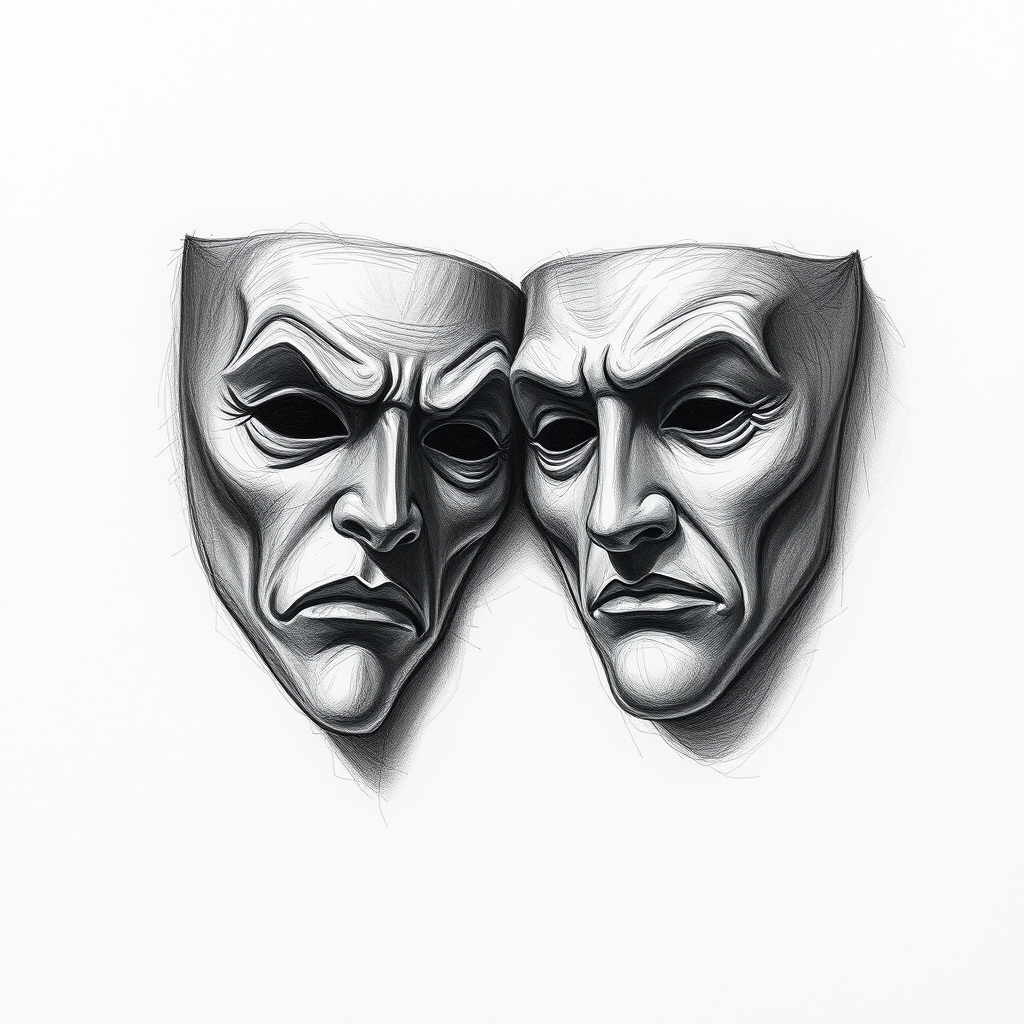
What makes Shakespeare endlessly compelling is this blend of tragedy and comedy, the ability to make us laugh and cry sometimes within moments, reminding us that life isn’t just one thing but many. These plays remain a foundation for acting and theater worldwide, inspiring countless adaptations, performances, and even modern musicals that carry his legacy forward. Whether it’s the poetic intensity of Othello, the sharp wit of his comedic fools, or the haunting soliloquies that expose a character’s inner torment, Shakespeare’s fingerprints are everywhere in contemporary drama.
So as we explore his influence—from stage to screen, past to present—remember that each play is a doorway into human nature itself, with stories that invite us to look beyond history and feel the timeless pulse of the theatre.
2. Comparing Macbeth and Hamlet: Plots and Performances
Step into the shadowed halls of Macbeth and the brooding chambers of Hamlet—two of Shakespeare’s most gripping tragedies, each pulling us into worlds where ambition, madness, and fate collide. Unlike the sprawling narrative of Hamlet, Shakespeare’s Macbeth is a leaner tale, swift and sharp. It charges forward with relentless energy, tracing a man’s desperate climb fueled by prophecy and blood. In just a few hours, we witness Macbeth’s rise and ruthless fall, leaving the audience caught in a whirlwind of guilt, paranoia, and violence.
Hamlet, by contrast, takes its time. It’s a labyrinth of thought and emotion, weaving themes of revenge, doubt, and mortality into a rich tapestry that invites endless interpretation. The Prince of Denmark’s famous soliloquies give us a window into his soul—a mind wrestling with the meaning of life and the burden of action. This layered complexity means Hamlet stretches out, inviting deep reflection as much as drama.
When it comes to performance, both plays have morphed with the times, reflecting cultural shifts and new ideas about power and identity. Sir Ian McKellen’s portrayal of Macbeth, alongside Dame Judi Dench, famously captures the chilling intensity of a man undone by his own choices, melding classical gravitas with contemporary emotional depth. Their performances remind us that Macbeth’s story isn’t stuck in the past—it’s a mirror held up to any era’s struggles with ambition and conscience.
Hamlet remains a playground for actors eager to explore its many facets. Each production uncovers new angles—from the raw turmoil of youth to the weary cynicism of age—keeping the character eternally relevant. Upcoming stagings continue to prove that, centuries later, Hamlet’s questions about life, death, and integrity still echo in the hearts of audiences worldwide.
In these two plays, Shakespeare crafted masterpieces that differ in pace and mood but share a profound exploration of the human spirit. Whether it’s Macbeth’s swift descent or Hamlet’s thoughtful hesitation, both invite us to gaze into the darker corners of ambition and doubt—stories as compelling today as they were four hundred years ago.
3. Upcoming 2026 Shakespeare Productions and Notable Actors
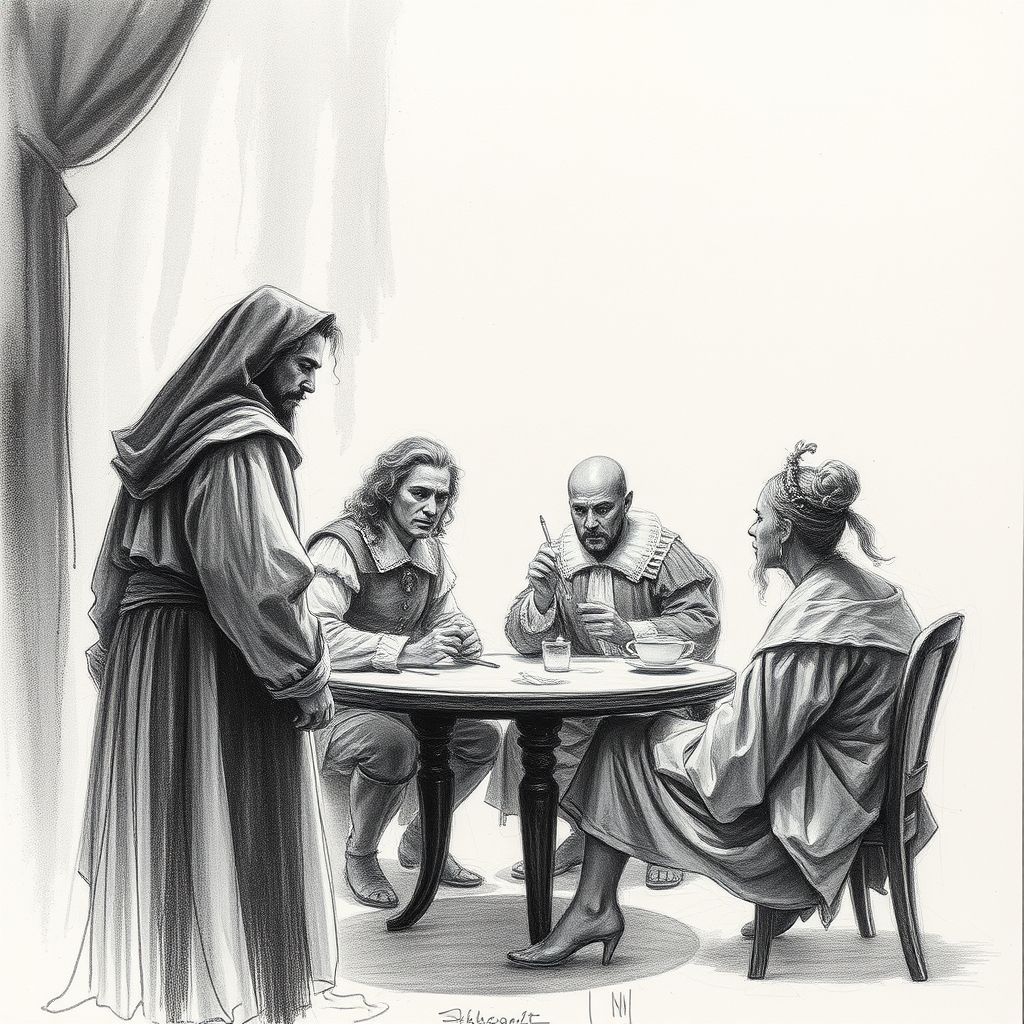
Step into the next act of Shakespeare’s living legacy: 2026 promises a vibrant season where classic texts meet modern energy. The National Theatre Live is set to stream a fresh lineup of Shakespeare’s masterpieces, including a much-anticipated new production of Hamlet. This isn’t just theatre on stage—it’s a global invitation to witness the timeless questions of identity, power, and madness unfold from your own living room. Technology breathes new life into these old words, reminding us that Shakespeare’s themes still pulse in today’s world, no matter where you are.
Adding star power to the mix, Toby Jones is capturing attention with his electric portrayal of Iago in the upcoming filmed adaptation of Othello. His performance delves deep into the dark corners of jealousy and manipulation, proving that these human struggles remain sharply relevant, even centuries later. It’s a reminder that great acting doesn’t just retell the story; it makes you feel the undercurrents still flooding our modern realities.
Across the globe, Romeo and Juliet continues to enchant new audiences with passionate, diverse casts that bridge cultural divides. Rehearsals are underway for productions that aim to breathe fresh emotion into Verona’s timeless tale of love and loss. Through innovative staging and heartfelt performances, these renditions keep the play alive and wildly relatable, inviting viewers of all ages to discover their own reflections in Shakespeare’s enduring exploration of youth, fate, and family.
In 2026, Shakespeare is not a relic. He is a conversation—between past and present, actor and audience, page and stage—alive, urgent, and waiting to be experienced anew.

4. The Blending of Comedy and Tragedy in Shakespeare’s Works
Walk into any Shakespeare play, and you’ll notice something intriguing: the laughter doesn’t just sit apart from the sorrow. Instead, comedy and tragedy weave together like twin threads, each pulling the story deeper into human experience.
Take Hamlet, for example. It’s easy to think of it as pure tragedy—revenge, madness, death. But sprinkle in those sharp, witty lines from the gravediggers or the playful banter from the Fool, and suddenly the weight of the story feels lighter, more complex. Shakespeare wasn’t just giving his audiences a breather; he was sharpening the emotional edges. The humor makes the tragedy bite harder, the sorrow feel more immediate.
Why does this matter? Because life itself doesn’t separate joy and pain into neat boxes. Shakespeare recognized this truth early on, blending laughter and grief in a way that feels unexpected but utterly natural. His clowns aren’t there just to entertain—they hold up a mirror, showing us how humor can survive in the darkest times.
Fast forward to today, and playwrights like James Graham echo this sentiment, reminding us that theatre thrives when comedy and tragedy converse, not compete. This blending invites audiences to engage fully, to feel the spectrum of human emotion all at once—a dance between light and shadow.
In a way, Shakespeare’s genius isn’t just in the stories he told but in how he told them: with a knowing smile amidst the tears, making the mix of comedy and tragedy a timeless mirror to our own lives.
5. The Evolution of Musicals and Modern Theatre Trends
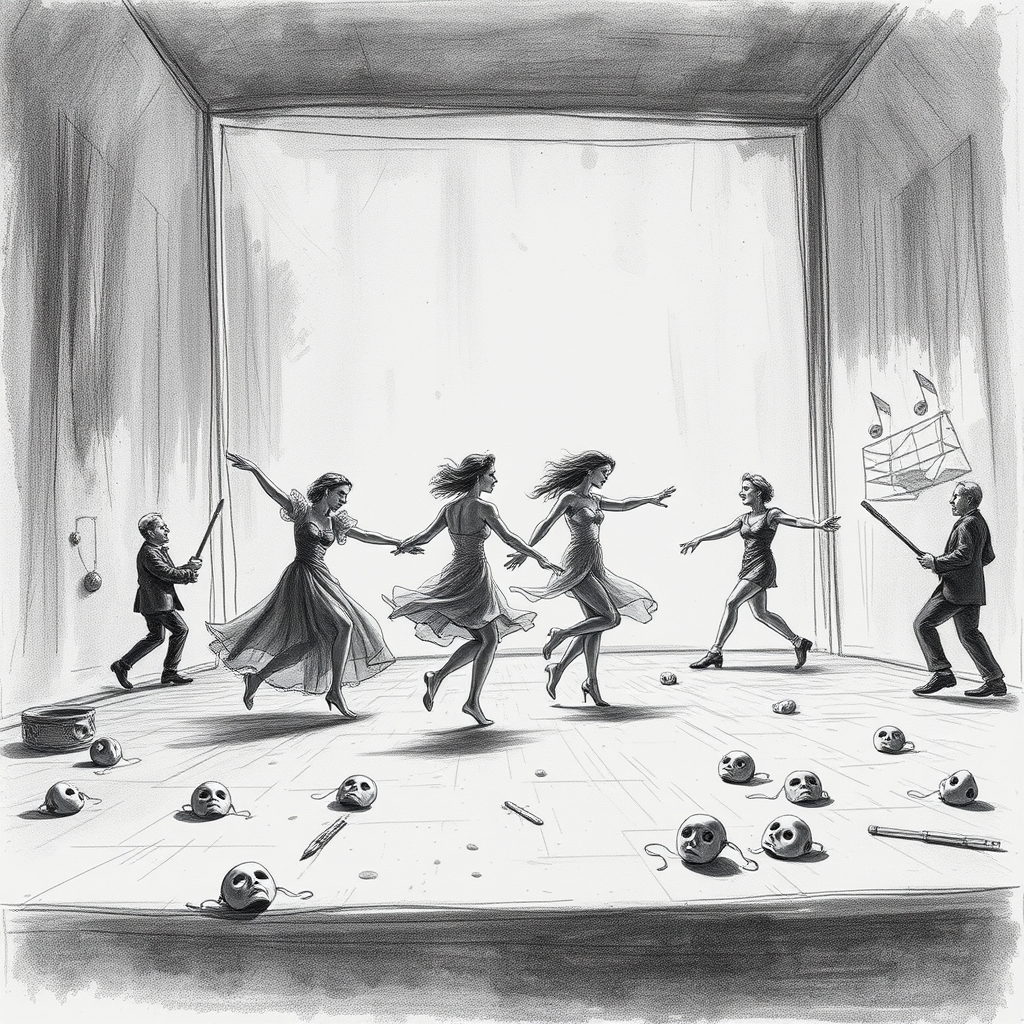
Step into a theatre lobby today, and you’ll likely find yourself surrounded by the unmistakable buzz of musicals—the vibrant marriage of song, dance, and storytelling that has reshaped the stage. By 2023, musicals didn’t just dominate theatre—they transformed it. This isn’t just about flashy lights and catchy tunes; it’s about reimagining how stories are told, even those centuries-old Shakespearean tales we think we know so well.
The rise of musicals marks a new chapter where classic dramas meet contemporary flair. Think of it as layering rich, emotional soundtracks atop Shakespeare’s sharp wit and tragedy. Modern productions now integrate multimedia effects, immersive staging, and innovative choreography, pulling audiences deeper into the heart of the story. It’s a bold blend of tradition and innovation, breathing fresh life into dialogues whispered on stages for generations.
Theatre’s journey through the COVID-19 pandemic was a crucible of change. When stages went silent, the art form didn’t simply wait—it reinvented. Across the UK, creative minds embraced technology and new formats. Virtual performances, hybrid events, and intimate productions became lifelines, expanding reach beyond the footlights of traditional venues. This recovery phase sparked fresh approaches to acting and production, nudging theatre into uncharted territory where accessibility and creativity thrived together.
In short, the theatre that left its doors closed during the pandemic returned revitalized—more inclusive, more daring, and more attuned to a global, modern audience. The evolution of musicals and the reinvention of theatre post-COVID reminds us that while the stories may be old, their telling is endlessly adaptable. As Shakespeare once wrote, “The play’s the thing,” and today’s stage is proving just how many ways that play can be performed.
References
- Theatre’s reinvention after COVID Royal Holloway news

6. The Timeless Appeal and Global Productions of Romeo and Juliet
Picture a stage where two young lovers, caught between family feuds and fate, speak words that echo through centuries and continents. Romeo and Juliet isn’t just a story—it’s a pulse that beats across cultures, a timeless tale of passion and tragedy that refuses to fade. What makes it endure? Maybe it’s the heartbreak that feels surprisingly fresh, or the way every new production reshapes those famous lines for a new generation.
From bustling cities to small community theaters, Romeo and Juliet continues to find new life. It’s staged everywhere—from the neon-lit streets of Tokyo to the historic squares of Verona itself—each cast bringing their own color and energy. You’ll often find diverse actors stepping into those age-old roles, reminding us that love and conflict are universal languages. This global embrace turns Shakespeare’s dialogue into a living conversation, not just a text locked in the past.
As 2026 approaches, directors are experimenting with bold staging and inventive acting to keep the story relatable. Some productions blend contemporary music, modern settings, or even multimedia elements, breathing fresh air into this classic tragedy. The goal is simple: make the audience see themselves in the star-crossed lovers’ struggle again, as if meeting Romeo and Juliet for the very first time.
This ongoing dialogue between past and present ensures Romeo and Juliet stays more than a historic script—it becomes a shared experience, one where the thrill of young love and the pain of loss still catch us off guard, no matter where we come from. It’s a testament to Shakespeare’s genius: a story that, time and again, finds us and makes us feel deeply human.













-
 Jigsaw Puzzles
Maine Coon Cat Ink Wash Puzzle 250 | 300 | 500 Pieces
Price range: kr 348,00 through kr 439,00 Select options This product has multiple variants. The options may be chosen on the product page -
 Jigsaw Puzzles
Elegant Pig Zodiac Watercolor Jigsaw Puzzle 250 | 300 | 500 Brikker
Price range: kr 348,00 through kr 439,00 Select options This product has multiple variants. The options may be chosen on the product page -
 Jigsaw Puzzles
Enchanting Four Sheep Zodiac Jigsaw Puzzle 250 | 300 | 500 Pieces
Price range: kr 348,00 through kr 439,00 Select options This product has multiple variants. The options may be chosen on the product page