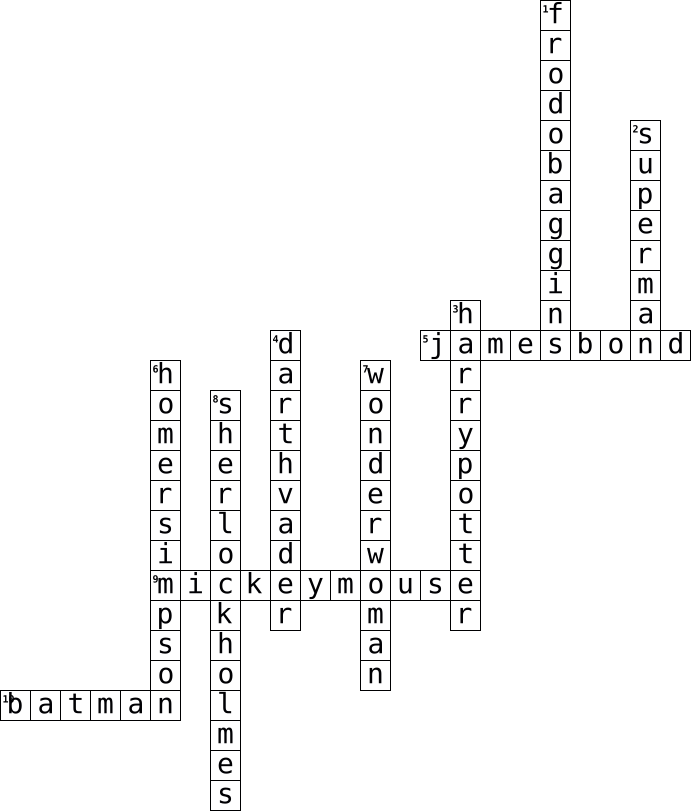

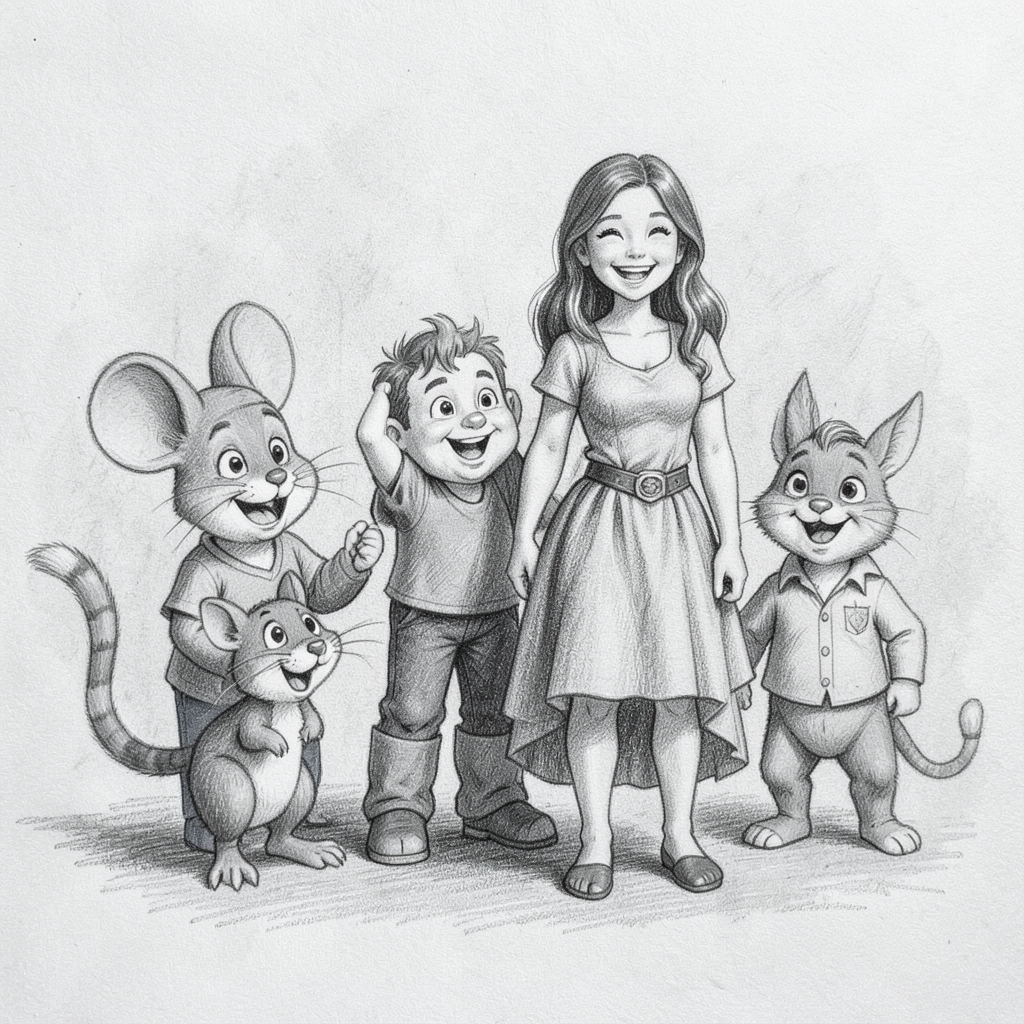
Introduction
Picture this: a world shaped not just by events, but by the people—or rather, the characters—who live and breathe within its stories. Fictional characters are more than just names on a page or faces on a screen; they’re the heartbeat of storytelling. They invite us into their worlds, letting us see through their eyes, feel their fears, and celebrate their triumphs. From the cheerful whistle of Mickey Mouse to the fierce courage of Wonder Woman, these figures have woven themselves into the fabric of culture and imagination.
This article takes you on a journey through some of the most iconic fictional characters ever created. We’ll unpack how each developed their unique traits, what they brought to the world of storytelling, and how they’ve left a mark on culture that endures to this day. Along the way, we’ll draw connections—like the detective skills Batman shares with Sherlock Holmes—and explore what makes these characters timeless, relatable, and endlessly fascinating. So, whether you’re a longtime fan or just curious about why these stories stick with us, let’s dive in and explore the legends behind the names.
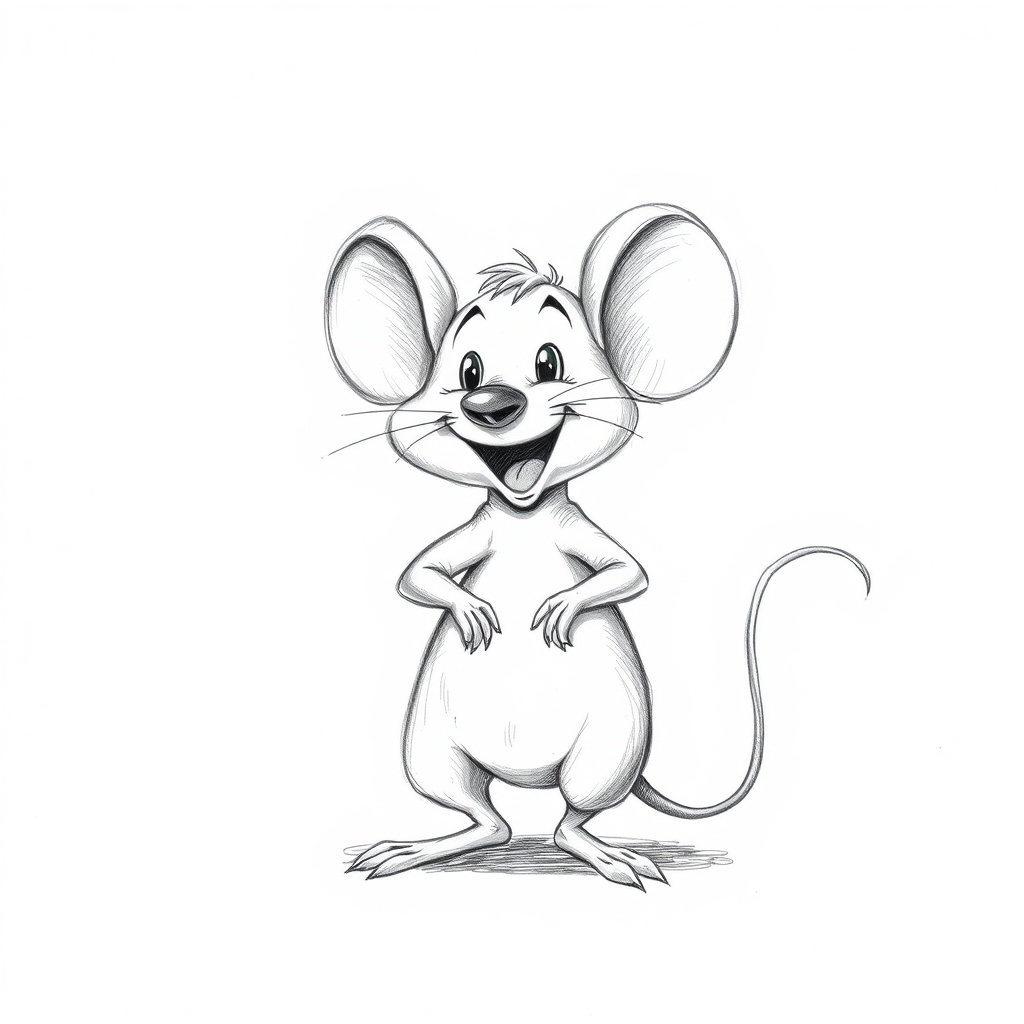
Mickey Mouse: The Pioneer of Animated Characters
Picture a cheerful, wide-eyed mouse waving from the screen in black and white, back in 1928. That was Mickey Mouse’s debut—simple in design, yet big in personality. Created by Walt Disney and Ub Iwerks, Mickey started as a scrappy underdog with a mischievous grin and a heart full of optimism. His earliest cartoons showed him as playful and quick-witted, traits that made him feel like a friend rather than just a drawing.
What set Mickey apart wasn’t just his look but the spark of life Disney breathed into him. He could laugh, get into trouble, and always bounce back with charm. That endless cheer and relatability made audiences connect with him instantly.
More than just an animated mouse, Mickey shaped the entire world of cartoons. He was the first fictional character to snag a star on the Hollywood Walk of Fame, a recognition of how deeply he had embedded himself into popular culture. His presence set the bar for animation—showing that characters could be more than moving sketches; they could have personality, emotion, and spirit.
Over the decades, Mickey transformed from simple sketches to a global icon recognized by millions. He’s not only the face of Disney but a symbol of joy, creativity, and timeless appeal. From theme parks to merchandise, his influence reminds us how a small character, drawn with a few lines, can become a beloved companion across generations.
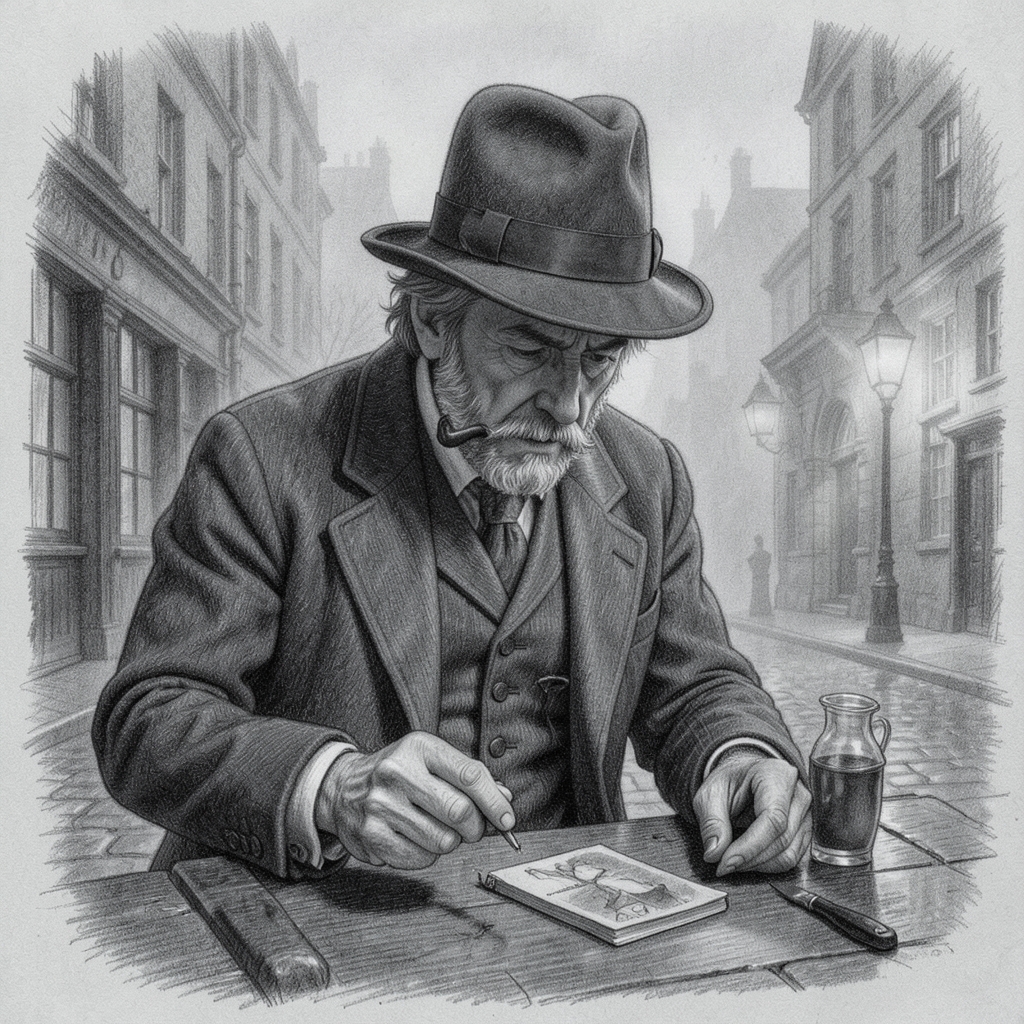
Sherlock Holmes: The Archetypal Detective
Step into the foggy streets of Victorian London, where a sharp mind and keen eye comb through shadows to solve mysteries that baffle the everyday police. Sherlock Holmes isn’t just any detective—he’s the original. Created by Sir Arthur Conan Doyle, Holmes introduced a blend of razor-sharp logic, masterful disguise, and an almost uncanny ability to read people and situations. His world pulses with gothic tension: a place where the unknown stirs social unease and crime is woven into the fabric of the city’s underbelly.
Holmes’s character broke new ground by making intellect and observation the hero’s true weapons. His methods—meticulous clues, deductive reasoning, and disguise—formed the blueprint for the detective genre, inviting readers to piece together the puzzle alongside him. This approach wasn’t just storytelling; it was an invitation to think, question, and observe, turning mystery novels into engaging mental games.
Beyond literature, Holmes’s shadow stretches far and wide. He indirectly shaped characters like Batman, who borrowed Holmes’s mastery of disguise and detective work but added a darker, brooding edge. Holmes’s enduring presence in films, TV shows, and countless adaptations highlights how his character taps into a deep human fascination with justice, intellect, and the hidden facets of personality.
Even real detectives found in Holmes an icon for sharp observational skills, showing how fiction can influence reality. Holmes reminds us that beneath the surface of any story lies the power of the mind and the human need to solve the unsolvable, making him as relevant today as he was over a century ago.
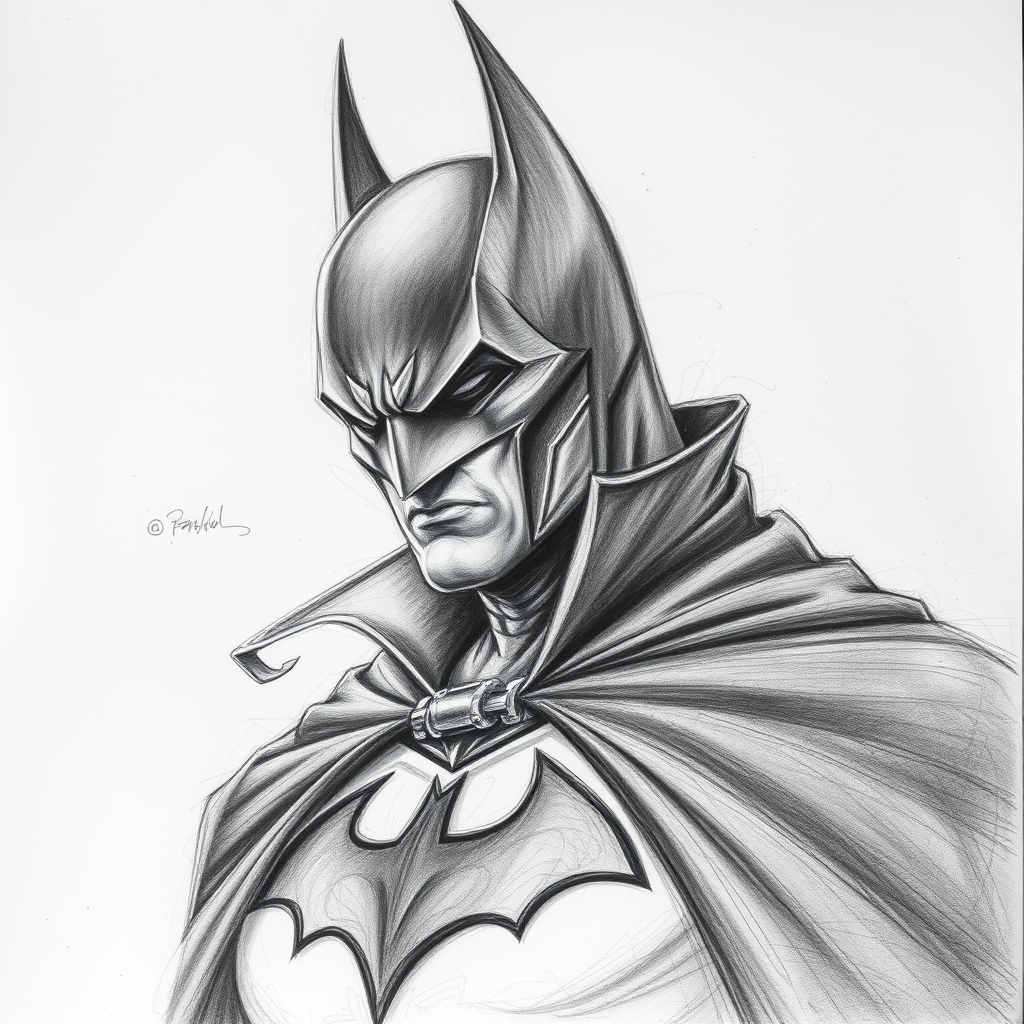
Batman: The Dark Detective
Picture Gotham City — shadows thick as velvet, alleys whispering secrets, and a lone figure perched high above, watching. That figure is Batman, a character carved from darkness but driven by a fierce sense of justice. Unlike many superheroes who boast powers from birth or accident, Batman’s strength lies in his sharp mind, relentless training, and a deep understanding of fear itself.
Drawing inspiration from Sherlock Holmes, Batman embraced the detective’s keen observation and mastery of disguise, but added layers of psychological complexity and gothic flair. He’s no mere crime-fighter; he’s a symbol of battling internal demons as much as external villains. His cape and cowl hide not just identity but a tortured soul wrestling with loss and responsibility.
Batman changed the way stories blended genres. He’s part superhero, part noir detective — an unusual mix that brought eerie tension and moral depth to comic books when heroes were often straightforwardly good or evil. Through him, writers explored societal fears, justice beyond the law, and what it means to confront darkness within oneself.
Culturally, Batman stands as one of the most enduring figures in popular imagination. From gritty graphic novels to blockbuster films, his influence reaches beyond comics, shaping how we think about heroism, vigilance, and the blurry line between hero and vigilante. He’s not just a symbol of power, but of human complexity — a reminder that sometimes, the fiercest battles are fought in the mind.
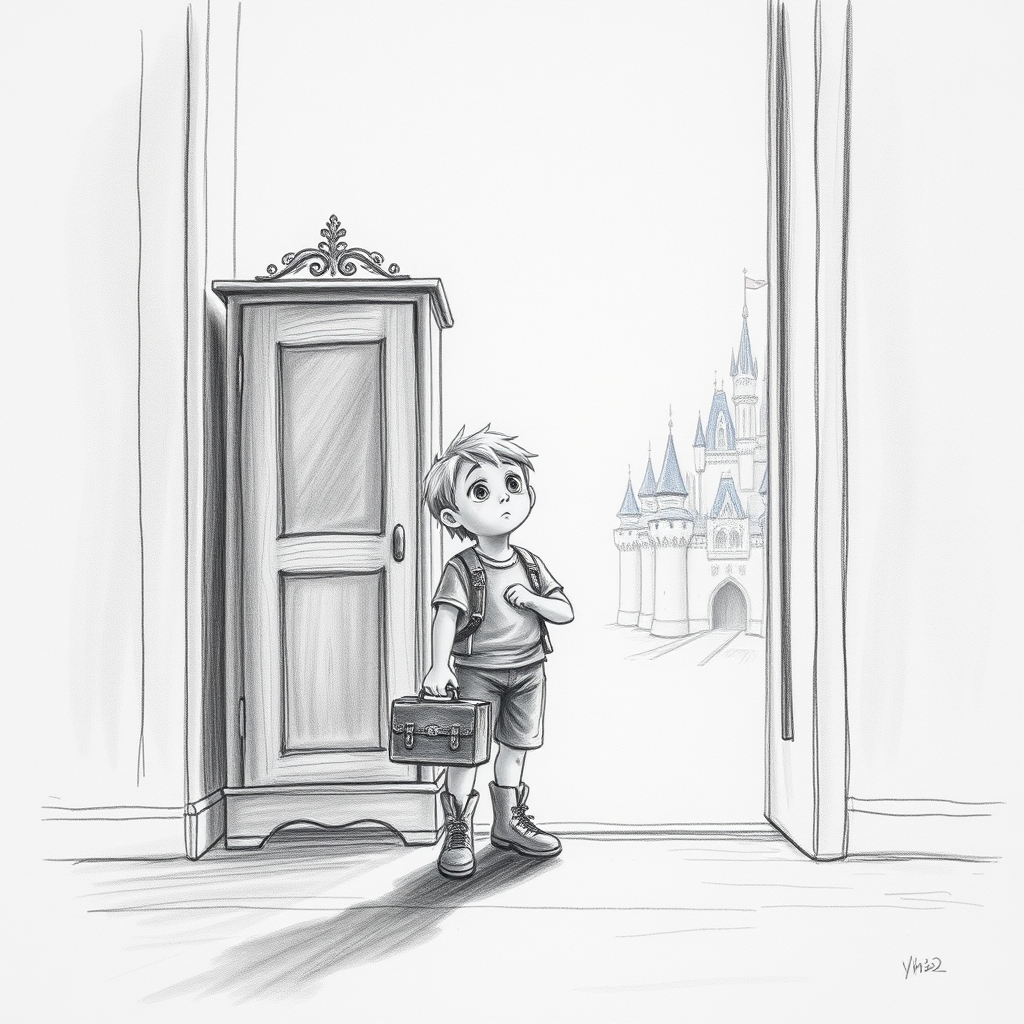
Harry Potter: The Modern Hero’s Journey
Picture a boy standing alone on a doorstep, just discovering that his life is about to change forever. Harry Potter’s journey begins in the humblest way—an orphan living under the stairs, unaware of the extraordinary destiny waiting for him. From that quiet, crowded cupboard, he steps into a world filled with magic, danger, and discovery. What makes Harry so compelling isn’t just his magical abilities but the very human traits he carries along: bravery that surfaces in moments of fear, loyalty that binds him to friends through thick and thin, and a steady growth from uncertain boy to confident young hero.
In reimagining the young adult fantasy genre, Harry Potter’s story opened doors for a generation hungry for adventure with emotional depth. J.K. Rowling didn’t just spin a tale of spells and quests; she crafted complex relationships—between friends, rivals, and family—that ripple with real moral questions. Who deserves forgiveness? What does it mean to make choices in the face of darkness? These layers breathed new life into fantasy, inviting readers not only to escape but to ponder alongside Harry.
Culturally, Harry Potter quickly grew beyond books into a global phenomenon, weaving its way into film, theater, and fan communities worldwide. The boy who lived became a symbol for courage in adversity and the power of friendship. Even now, his legacy shapes how stories about growing up, heroism, and belonging are told—reminding us that sometimes, the greatest magic lies in facing the world as ourselves.
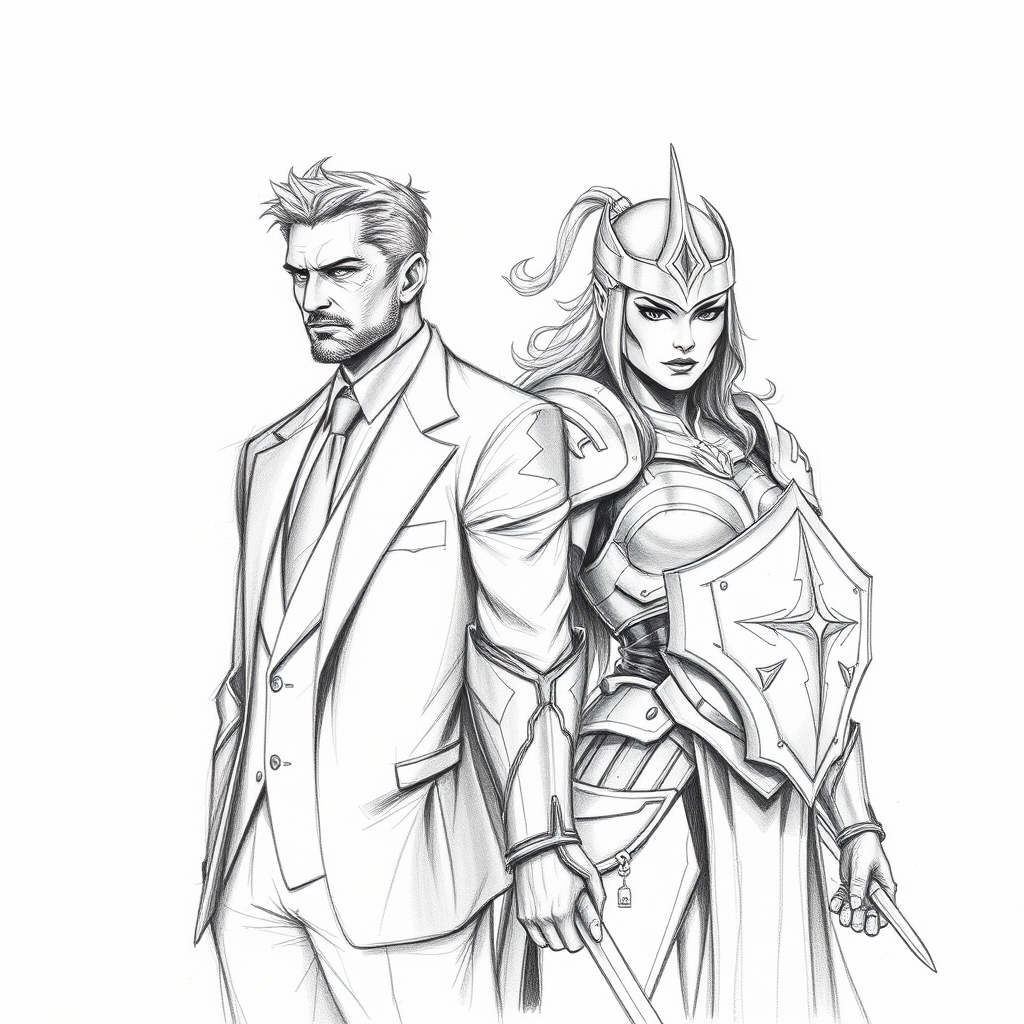
James Bond and Wonder Woman: Evolving Icons
Step into a world where espionage meets empowerment, and action pulses with deeper meaning. James Bond and Wonder Woman sit at opposite ends of the heroic spectrum, yet both have carved profound places in our cultural imagination—shaping how we see strength, identity, and justice.
James Bond, the suave spy dripping with confidence, isn’t just a slick operator with gadgets and charm. Beneath that polished exterior lies a character layered with psychological complexity. He wrestles with loneliness, loyalty, and the heavy cost of living a life on the edge. This depth keeps him compelling decade after decade, as Bond evolves alongside changing societal fears and desires. The blend of high-octane action with moments of vulnerability gives his story a human heartbeat beneath the tuxedo.
On the flip side stands Wonder Woman—a beacon of female strength long before such ideas were mainstream. Her stories have grown richer, diving into questions of identity, justice, and what it truly means to be a hero in a world often unkind to difference and power. Recent comic arcs explore her roots and struggles, making her not just a warrior but a symbol of empowerment, resilience, and the complexity of modern womanhood.
Together, these icons push storytelling forward. Bond demonstrates that action heroes can carry psychological weight, while Wonder Woman breaks barriers, showing that heroes come in diverse forms—and that female empowerment is a frontier still expanding in popular culture. Their cultural footprints stretch well beyond pages and screens—Bond’s influence shapes how we think about espionage and masculinity, while Wonder Woman continues to inspire generations to imagine justice intertwined with compassion and courage.
In the dance between shadow and light, Bond and Wonder Woman remind us that heroes are more than their powers or missions—they’re reflections of all we struggle with and hope for.

Frodo Baggins and Homer Simpson: Contrasting Heroism and Humor
Picture Frodo Baggins trudging through the shadowed paths of Middle-earth, the weight of the One Ring pressing not just on his neck but on his very spirit. Here is a character carved from quiet courage and relentless endurance—a small hobbit bearing an immense burden that no one else could carry. Frodo’s journey isn’t about flashy heroics or grand battles; it’s a slow, grinding test of will, sacrifice, and the struggle to hold onto light in the darkest of places. His story invites us to see heroism not as invincibility but as perseverance, the grit to keep walking even when hope seems far away.
Now, shift scenes to the living room couch of 742 Evergreen Terrace, where Homer Simpson lounges with a donut in hand, oblivious to grand quests or noble sacrifices. Homer is the everyman in his most exaggerated form: lazy, flawed, and endlessly humorous. Unlike Frodo’s intense gravity, Homer’s charm lies in his relatable mistakes and the absurd, chaotic world he inhabits. His humor doesn’t just entertain; it holds up a mirror to modern life—highlighting its quirks, frustrations, and always, its underlying love for family and simple joys.
Both characters have shaped storytelling in strikingly different ways. Frodo teaches us about sacrifice and the courage it takes to face internal and external darkness. Homer flips that script, using humor to deflate seriousness and point out the absurdities of everyday existence. Together, they represent two poles of fictional narrative: the heroic and the comic, the epic and the mundane.
Culturally, Frodo stands as a beacon of quiet heroism, inspiring generations to find strength in vulnerability and duty. Homer, meanwhile, has become a defining figure of animated sitcom history, his laughter echoing the imperfect, messy reality of life that many recognize as their own. In their contrast, we find a fuller picture of what it means to be human—sometimes braving the impossible, sometimes just trying to get through the day with a smile (or a sigh).
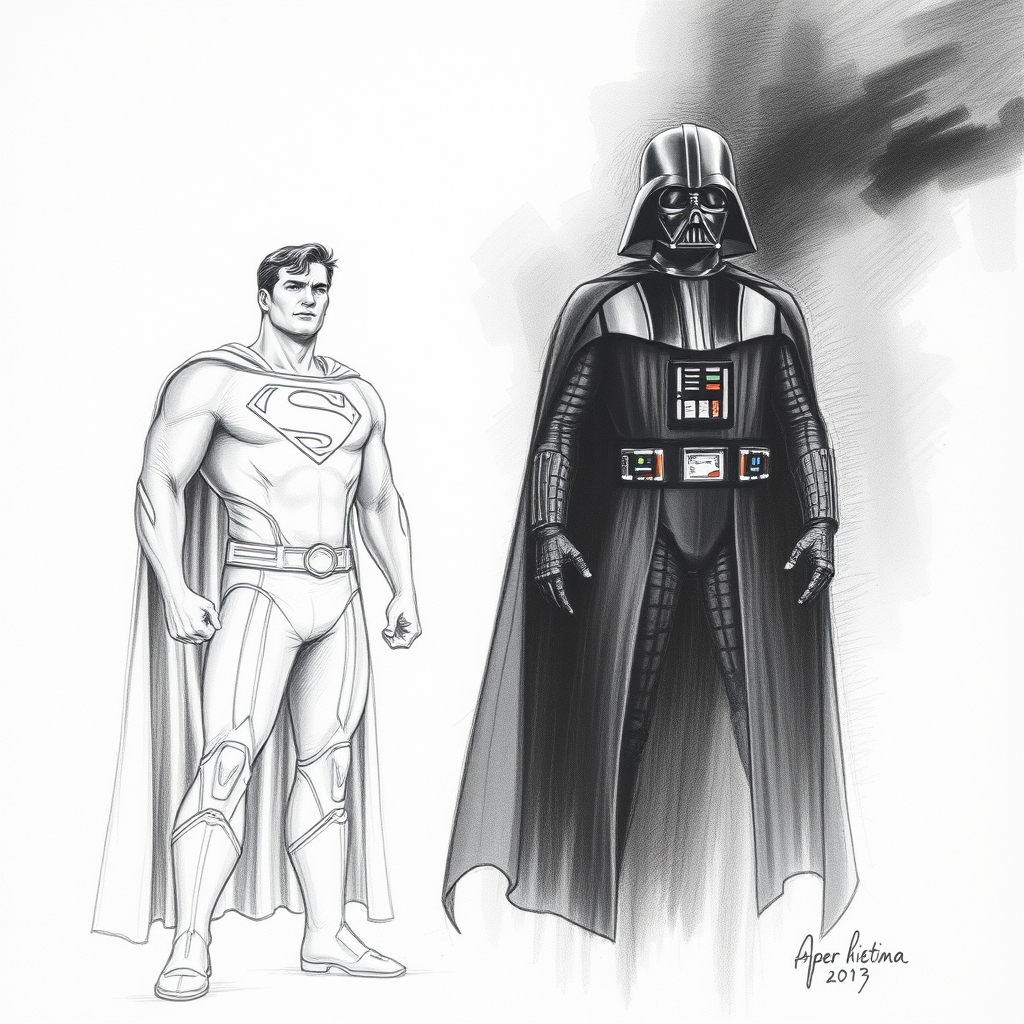
Superman and Darth Vader: Icons of Power and Conflict
Step into the realm of legendary stories, and two figures stand tall—Superman, the shining beacon of hope, and Darth Vader, the dark shadow wrestling with his own fall from grace. These characters aren’t just heroes or villains; they are the very pulse of power and conflict wrapped up in myth.
Superman, with his iconic cape billowing against the sky, embodies clarity in a complicated world. He represents justice, moral certainty, and the timeless idea that good can—and should—prevail. His powers spark endless debate: How strong is he? How far can he push the limits of flight, strength, and speed? Yet, beyond these superhuman feats, it’s his unwavering commitment to doing right that anchors him as a symbol. He’s the ideal we look up to, a reminder that even in the face of overwhelming odds, hope endures.
On the opposite side of the cosmic scale, Darth Vader commands attention with a deep, mechanical breath and the weight of his own tragedy. Behind the black armor and mask lies a story of fall and redemption, torment, and deep conflict. Vader’s power is both physical and psychological—his mastery of the Force and his struggle with inner darkness create a narrative rich in complexity. Questions swirl around his true nature: Is he doomed to be villainous, or can he reclaim the light? This tension makes him more than a straightforward antagonist; he’s a mirror for the human struggle between temptation and salvation.
Together, Superman and Darth Vader offer a compelling contrast that shapes storytelling itself. Superman’s clarity of purpose and unwavering goodness set the standard for the superhero ideal—a figure who lifts us up. Vader, meanwhile, opens the door to exploring shadows within, the fallibility of power, and the possibility of redemption. Their stories lift the curtain on fundamental human themes: justice, power, failure, and hope.
Culturally, these icons transcend their origins, influencing countless stories across media and inspiring debates about morality, strength, and identity. Superman’s emblem is a global sign of optimism, while Vader’s helmet has become shorthand for complex villainy and the cost of choices. Together, they remind us how fiction can hold up a mirror to our deepest conflicts—and our greatest aspirations.

Character Traits and Their Role in Narrative Structure
Step into any great story, and at its heart, you’ll find characters whose traits shape everything that happens. These traits aren’t just quirks or simple labels. They’re the engine driving conflict, growth, and ultimately, resolution. Without them, plots would stall, and stories would feel flat—lifeless echoes rather than vivid journeys.
Take Mickey Mouse’s relentless optimism, for example. That spark of cheerfulness not only defines who he is but pushes the story forward, turning obstacles into opportunities. Contrast that with Sherlock Holmes’s razor-sharp intellect paired with a certain cold detachment—his traits invite mysteries to unfold with careful calculation, creating tension through his lone-wolf reasoning and emotional restraint. Then look at Harry Potter, whose bravery and loyalty are tested again and again. His traits map a path of transformation, showing us how courage isn’t the absence of fear but the choice to keep going despite it.
What’s fascinating is how some traits ripple across very different characters, though they manifest uniquely. The curiosity driving Sherlock is echoed in Batman’s detective mind, even if Batman’s darkness shades those traits with inner torment. Meanwhile, Wonder Woman’s strength and sense of justice find a different rhythm than that of Superman’s hopeful idealism. These shared qualities tap into universal human experiences, making characters feel both familiar and fresh.
On a broader scale, character traits speak to us because they mirror our own struggles and triumphs. When a character grows—learning, failing, or standing firm—it sparks something inside us. That’s why stories matter. They offer reflections of ourselves and the world, wrapped in personalities we come to know as if they were old friends.
Over time, character development has evolved to match the shifting tides of culture. From simple heroes and villains, stories now explore complex psyches, ambiguous morals, and diverse identities. It’s a reminder that behind every great narrative lies a richly textured human core—traits that don’t just build characters but invite us to step inside their lives and, for a moment, see the world through their eyes.
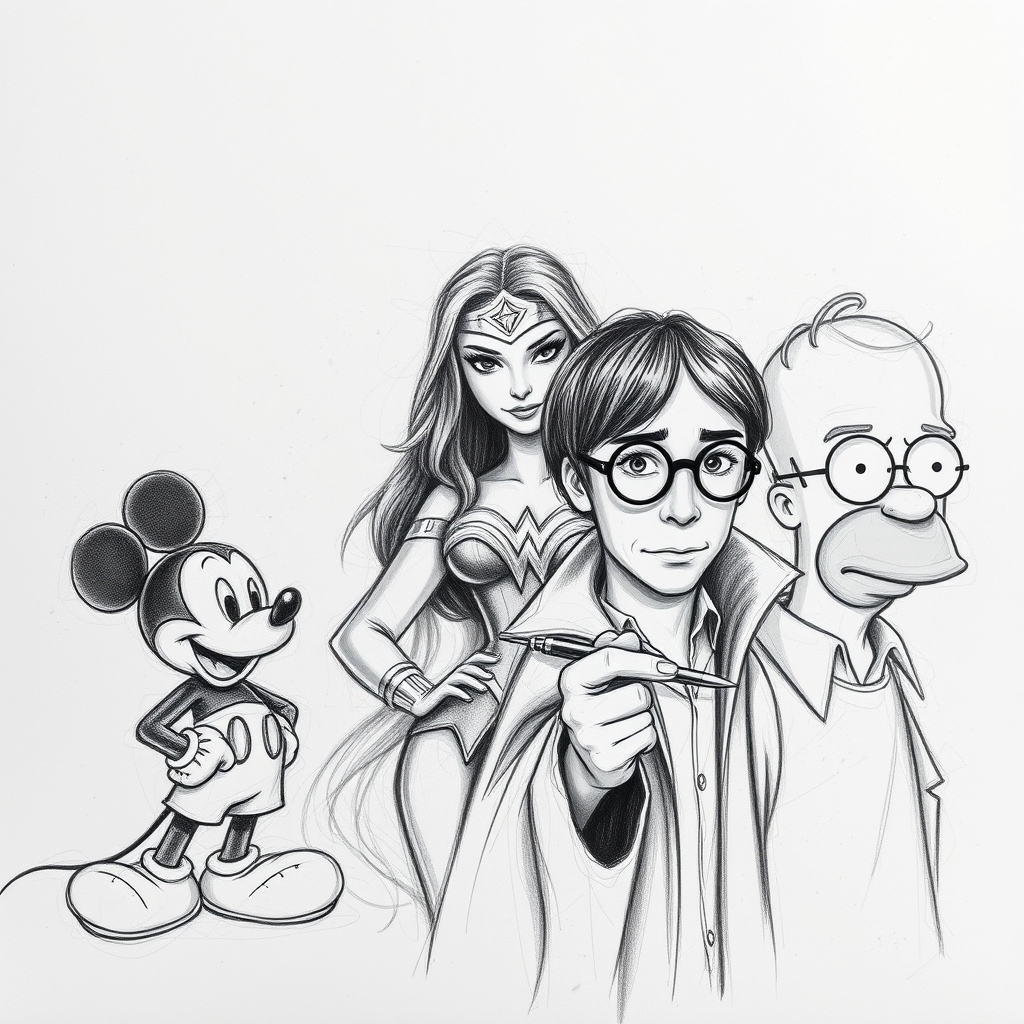
As we step back from this journey through some of fiction’s most unforgettable figures, what stands clear is how each character, in their own way, has reshaped storytelling and culture. From Mickey Mouse’s cheerful charm that first brought animated characters to life, to Wonder Woman’s powerful stand for justice and identity, these icons have gone beyond mere stories—they’ve become mirrors reflecting our hopes, fears, and dreams.
Character development isn’t just about giving a hero a cool cape or a detective a clever mind. It’s about creating someone who feels real, who struggles, grows, and inspires. Sherlock Holmes taught us to look closer and think deeper; Harry Potter showed that bravery often means choosing what’s right over what’s easy; while Homer Simpson reminds us that imperfection is part of our shared humanity.
Their cultural impact reverberates far beyond the pages, screens, or stages where they originated. They serve as touchstones for generations, shaping how we understand heroism, justice, humor, and even ourselves. In the end, these fictional characters endure because they are more than stories—they are invitations: invitations to explore the complexities of being human through imagination and empathy.
So, the next time you meet one of these icons—whether in a book, a film, or simply in conversation—remember: you’re engaging with a living piece of cultural history. A character that, through their journey, continues to teach, challenge, and connect us all.













-
 Jigsaw Puzzles
Art Nouveau Jigsaw Puzzle with Playful Dog in Scenic Landscape 250 | 300 | 500 Pieces
Price range: kr 348,00 through kr 439,00 Select options This product has multiple variants. The options may be chosen on the product page -
 Jigsaw Puzzles
Nordkapp Abstract Art Jigsaw Puzzle 250 | 300 | 500 Pieces
Price range: kr 348,00 through kr 439,00 Select options This product has multiple variants. The options may be chosen on the product page -
 Jigsaw Puzzles
Norwegian Stave Church Abstract Jigsaw Puzzle 250 | 300 | 500 Pieces
Price range: kr 348,00 through kr 439,00 Select options This product has multiple variants. The options may be chosen on the product page