

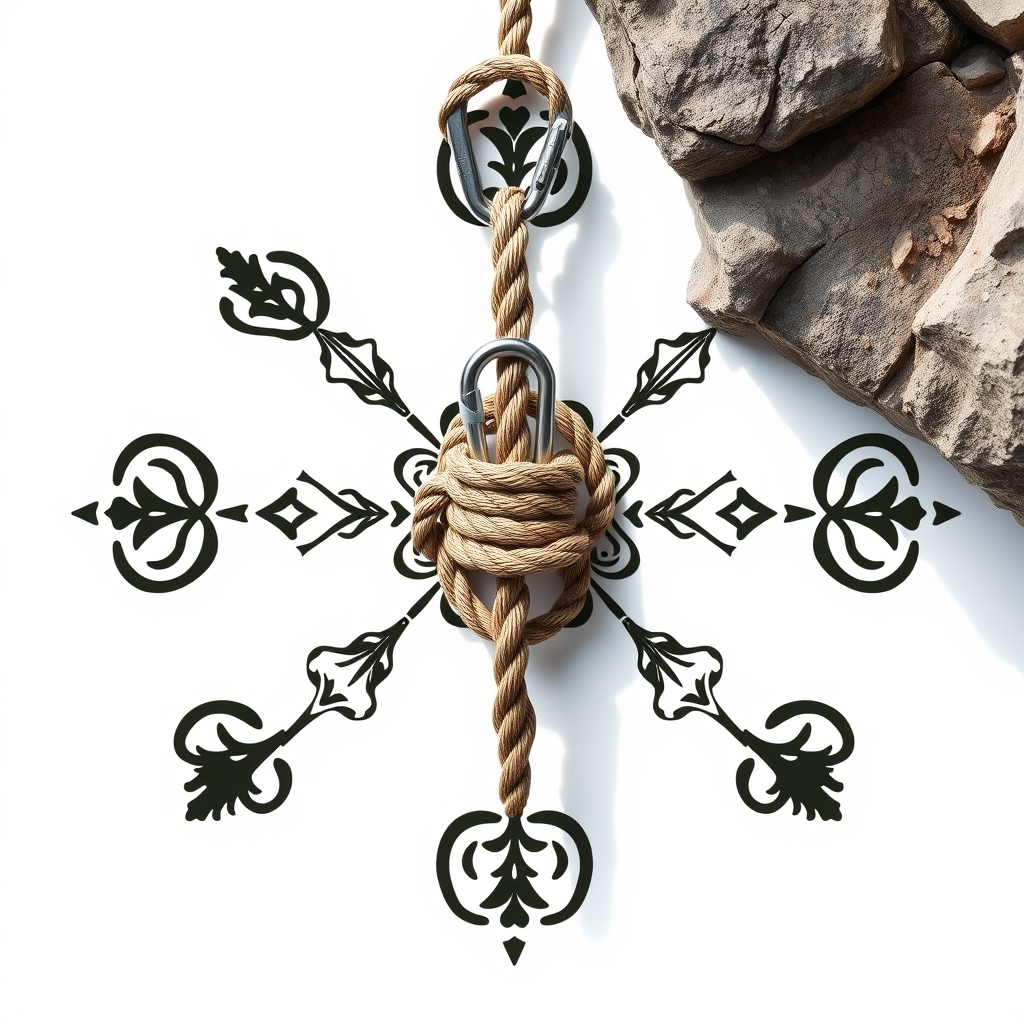
There’s something quietly reliable about a good length of rope. Whether you find yourself aboard a boat skimming across misty waters or perched high on a cliffside with the wind teasing your hair, rope is that sturdy companion you trust without question. It’s more than just a tool — it’s the lifeline that connects you to safety, adventure, and the timeless rhythm of the outdoors.
In this guide, we’ll walk through the essentials: the knots that hold fast when it matters most, the different ropes built for salt-spray or rocky ledges, and the safety wisdom that keeps you one step ahead. We’ll explore how the choice of material shapes a rope’s strength and longevity, and reveal the surprising impact knots have on that strength. Because, as any seasoned sailor or climber will tell you, the difference between a knot that holds and one that slips can be the difference between a smooth journey and an urgent rescue.
So, pull up a chair, imagine the scent of sea salt or pine in the air, and join me in unraveling the humble rope — a simple thing with deep roots in both tradition and survival.
2. Understanding Rope and Its Strength
Imagine pulling a sturdy rope taut between your hands, feeling the fibers twist and grip beneath your fingers. At first glance, rope seems simple — just strands woven together — but beneath that surface lies a world of materials, craft, and strength that can mean the difference between safety and disaster.
Most ropes you’ll encounter fall into two broad categories: natural fibers and synthetic fibers. Natural ropes, like manila or hemp, carry the charm of age-old craftsmanship. They have a rough, earthy feel, and a scent that brings to mind wooden decks and salt air. However, they tend to absorb water, wear down faster, and can rot if left damp. Synthetic ropes, on the other hand, are the modern workhorses. Made from materials such as nylon, polyester, and polypropylene blends, they’re lighter, stronger, and resistant to moisture and sunlight. Nylon, for instance, offers elasticity that’s prized in climbing ropes, cushioning shocks during falls. Polyester shines with its resistance to UV rays, making it a favorite for marine ropes that face relentless sun and salt spray.
But here’s where many get caught by surprise: a knot tied in that strong rope can weaken it significantly. Depending on the knot, rope strength can drop by as much as 60%. That means a rope rated to hold 1000 pounds might only bear 400 once a knot tightens and bends its fibers. Take the figure-eight knot — it retains much more strength compared to a simple overhand knot, which can pinch and crimp the strands severely. This is why understanding knots is not just a skill but a safety necessity. Knowing which knots keep the rope strong can mean steady footing on a cliffside or a secure hold while hauling anchor.
Selecting the right rope for your task also involves matching its makeup to the conditions it will face. If your rope will spend time in salty waters, polyester’s UV resistance and low water absorption will serve better than nylon. For climbing, where the rope must absorb sudden shocks without snapping, nylon’s stretch is invaluable. All ropes, though, are vulnerable to abrasion. It’s the quiet enemy — rubbing against rough rock, metal, or deck fittings weathers down strands until the rope weakens. Regular inspection and choosing the right sheath density can keep your rope dependable longer.
In the end, a rope’s strength is a conversation between its material, its knots, and the world it lives in. Respecting this connection is the first step in making sure your rope works for you — every pull, every climb, every cast.
3. Common Knots and Their Impact on Strength and Safety
Picture yourself on the dock or halfway up a crag, rope in hand. What knot you tie can mean the difference between smooth sailing and a day gone sideways. Not all knots are created equal—some hold tight without chewing through your rope, others sneakily weaken it. Here’s the lowdown on the classics you’ll meet most often, and how to keep your line (and yourself) secure.
Take the figure-eight knot, for example. It’s the dependable old friend of climbers and sailors alike. Easy to tie, easy to check, and smart at preserving rope strength—usually hanging on to about 75-80% of the rope’s original power. It’s the knot you want when safety matters, like securing a harness or tying into an anchor. Its bulky shape also makes it less likely to slip or come undone under tension.
Then there’s the bowline knot, sometimes called the king of knots. It creates a fixed loop that doesn’t jam easily and unties without fuss—handy when you need a secure loop at the end of a rope. But here’s the catch: if not dressed properly—that is, tightened neatly and snugly—the bowline can loosen or slip, especially when the rope’s slick or under intermittent load. And it tends to chew through more of the rope’s strength than the figure-eight, often retaining around 60-65%. So a bowline works best when you’re sure the knot won’t face sudden jerks, and you’re ready to add a backup knot just in case.
Lassos and other specialized knots come into play when you need quick adjustments or a knot that cinches tight under pressure. They shine in specific scenarios—like securing gear or creating a noose for hauling—but rely heavily on technique. A poorly tied lasso can jam hard or slip right off. Practice these until your hands know the rhythm, because under strain is no time to fumble.
Here’s where myths often sneak in: just because a knot looks complicated or feels secure doesn’t guarantee it holds strong. Some fancy knots might impress at the campfire but sap your rope’s strength silently. Learning the right knots means understanding how each one bends, tightens, and grips under load—knowledge only gained by rolling up your sleeves and tying again and again.
When it comes to safety, slow down and focus as you tie. Dress each knot neatly, avoid twists or overlaps, and always snug it tight before putting weight on it. Regular practice will build muscle memory, so your fingers know what a solid knot feels like—even in the cold, wet, or when adrenaline’s kicking in. Because at the end of the day, your knot isn’t just a twist in a line—it’s a lifeline. Treat it with respect, and it’ll do its job without fail.
4. Rope Uses in Marine Activities
There’s a simple rhythm to life by the water, and rope is right at its heart—strong, reliable, and ready for whatever the sea throws its way. Imagine the swell of the ocean, the salt on your skin, and the creak of a well-worn winch. That’s where your rope earns its keep.
Out on the waves, different ropes serve different jobs. Nylon ropes, for example, are like the calm in the storm—they stretch just enough to soften sudden pulls and keep everything steady. That elasticity makes nylon a favorite for mooring lines and anchor rodes, where a bit of give can save you from a nasty snap.
Then there’s polyester, tough as old barn wood, ready to stand up to the sun’s harsh UV rays and the daily grind of abrasion. It holds its shape well, doesn’t absorb much water, and handles sails and rigging with quiet confidence. You’ll often see polyester ropes running through blocks and pulleys, where durability counts.
Another player in the marine rope world is the synthetic braided polypropylene blend. Light and buoyant, it’s perfect for winch operations and hauling lines, especially when you need something that won’t drag the boat down. Its resistance to saltwater makes it a silent workhorse.
When it comes to what ropes do, they’re woven into everything. Sails depend on them, their annual dance with wind and weather shaped by the strength and flexibility of their lines. Anchoring systems rely on them, sometimes paired with nautical cables—the old steel lifelines that have held ships steady through storms for centuries. These cables were a game changer, especially in deep-water anchoring and ship-to-ship transfers, where reliability is nothing less than a lifeline.
Winches hum as ropes slip through, carefully handling the heavy tasks of raising and lowering anchors. Each strand carries tradition and trust—a thread in the vast fabric of maritime life.
So, whether you’re tying off for the night or battling the unexpected, remember this: the right rope does more than hold fast. It speaks of experience, safety, and quiet strength—lessons learned on sun-drenched decks and windswept harbors. That’s the kind of rope that becomes more than gear; it becomes part of your story by the sea.

5. Rope Uses in Climbing and Rescue
There’s a quiet trust we place in rope when climbing cliffs or mounting a rescue. It’s more than just a tool—it’s the lifeline between safety and danger. Choosing the right rope and mastering its knots isn’t about showing off skills; it’s about respect for the weight of the moments resting in your hands.
Climbing ropes come in two broad families: dynamic and static. Dynamic ropes are the stretchier cousins, designed to absorb the shock if a climber takes a fall. They breathe with you, flexing gently, easing the strain on your body and gear. Static ropes, by contrast, hardly budge. Their strength lies in steady, dependable support—perfect when hauling gear or setting anchors. Knowing when to pick one over the other is half the battle. Dynamic ropes handle the unpredictable pull of a slip; static ropes hold firm in steady tasks.
Materials matter here too. Most climbing ropes are nylon-based for that sweet spot of strength and stretch. But the outdoors doesn’t always play nice—sun, dirt, and rough rock all chip away at your line’s life. A well-chosen rope is built tough to weather those elements while keeping you safe.
Knots seal this pact between rope and climber. The figure-eight knot is the old reliable, forming a secure loop that’s easy to inspect and nearly impossible to slip under load. It’s often the knot keeping a climber tethered to their harness—a quiet guardian in each ascent. The bowline knot steps in when you need a strong loop that can be tied or untied quickly, making it handy for hoisting gear or setting up anchors. Both deserve practice until the motions are second nature, so when the moment presses, your hands don’t falter.
In rescue scenarios and camping alike, ropes become part of a larger system—haul lines to raise a person or heavy pack, tensioning anchors, or creating makeshift shelters. The pressure doesn’t let up, and knots must hold firm even when the air is cold, hands are numb, or time is tight. Learning to tie under these conditions isn’t just skill—it’s survival.
So, the next time you roll out your rope before a climb or rescue mission, remember: it carries the legacy of countless hands who trusted its fibers, knots, and strength. Treat it well, choose wisely, and keep practicing. Because when you’re up on the rock or reaching out in rescue, that rope is holding more than just weight—it’s hope.

6. Material Durability and Maintenance
Picture a rope stretched across your hands on a bright, salty afternoon by the sea, or swinging from a rugged cliff face under a blazing sun. It’s been your lifeline — sturdy, reliable, and steadfast. But Mother Nature doesn’t go easy on rope. Sunlight, saltwater, and rough edges conspire quietly to wear it down, often without you noticing until it’s too late.
First up, UV exposure is no friend to most ropes. The ultraviolet rays break down fibers over time, turning what was once strong and supple into something brittle and weak. Nylon ropes, though stretchy and great at soaking up shock, can lose their toughness faster when baking in the sun day after day. Polyester tends to handle UV better, but even it needs a little shade when possible.
Moisture and salt are the next duo to watch. Saltwater, in particular, is a sneaky enemy. It seeps into the fibers, causing them to stiffen and erode while inviting mildew and mold. Natural fiber ropes, once a staple in marine activities, swell and rot quicker when left damp too long. Synthetic ropes fare better but still need a rinse and a dry when their job is done.
Then there’s abrasion—the rough scrape of rock, deck edges, or machinery that can fray individual strands without shouting. Every nick or fuzz is a warning flag. Keep an eye on spots where your rope rubs or bends sharply; those are the places most likely to fail.
So how do we keep these dependable lifelines in top shape? Start with regular inspections. Make it a habit before each use to run your hands along the rope, feeling for stiffness, soft spots, cuts, or fuzzy areas. Look closely at the ends and anywhere knots sit tight.
Cleaning is simpler than you might think. A bucket of fresh water, maybe a mild soap, scrubs off grime and salt. Then hang the rope loose in a cool, shaded spot to dry. Avoid the temptation to toss it over a radiator or cram it into a hot car—heat will only shorten its life.
Storage is the quiet guardian of longevity. A rope lives longest when it rests coiled loosely, away from direct sunlight and chemicals. Keep it off the garage floor or damp basements where mildew waits in the shadows.
When a rope shows deep cuts, excessive stiffness, or fraying that goes past the surface, it’s time to retire it. No adventure is worth risking your safety on worn-out gear.
Caring for your rope isn’t just about preserving an outdoor tool. It’s about honoring the trust between you and the strands that hold your weight, secure your sails, and keep your hands steady. With a little mindful attention, your rope will serve you well, season after season, weathering the wilds by your side.

Like any tool worth its salt, rope demands respect. Choosing the right rope and tying the right knot aren’t just details—they’re the difference between trust and disaster out on the water or scaling a cliff. When you pick your rope with care, considering the conditions and what you’re asking of it, you set yourself up for success. Likewise, a knot tied properly holds firm under pressure; one tied poorly can slip when you least expect it.
Safety isn’t a one-time check but a quiet habit. Inspect your ropes before each use, know their limits, and keep fresh in your mind the best knots for the job. The ocean’s unpredictability and the mountain’s challenges won’t wait while you fumble.
Keep learning. Knot by knot, day by day, your confidence will grow. There’s something timeless in this practice—like tending a fire, it’s an act both simple and vital. For those ready to dig deeper, many guides and seasoned hands stand ready to share their knowledge. Take their stories close and let them weave into your own.
In the end, rope is more than just strands twisted together. It’s a silent partner, steady and strong when you treat it well. Give it your care, and it will carry you through.













-
 Jigsaw Puzzles
Cat & Sunset Wooden Jigsaw Puzzle 250 | 300 | 500 Pieces
Price range: kr 348,00 through kr 439,00 Select options This product has multiple variants. The options may be chosen on the product page -
 Jigsaw Puzzles
Flåm Railway Abstract Art Jigsaw Puzzle 250 | 300 | 500 Pieces
Price range: kr 348,00 through kr 439,00 Select options This product has multiple variants. The options may be chosen on the product page -
 Jigsaw Puzzles
Majestic Horse Watercolor Jigsaw Puzzle 250 | 300 | 500 Pieces
Price range: kr 348,00 through kr 439,00 Select options This product has multiple variants. The options may be chosen on the product page