

Introduction
Have you ever found yourself quietly drawn to a simple grid filled with numbers, wondering how such a humble design can hold your attention so deeply? That’s the quiet magic of Sudoku. At first glance, it’s just a 9×9 puzzle inviting you to fill in numbers from one to nine—but beneath that lies a world of logic, balance, and subtle challenge.
Sudoku isn’t just a pastime; it’s a gentle dance with numbers that asks you to think carefully, to place each digit with intention. It’s like tending a small garden, where every number must find its perfect spot without crowding its neighbors. This puzzle, which first emerged from early 20th-century number games and blossomed into a global sensation in the early 2000s, connects millions through shared moments of quiet focus.
What makes Sudoku so universally appealing? Perhaps it’s the way it combines simplicity with complexity—inviting each of us to engage with pure logic, without the need for advanced math. In a busy world, Sudoku offers a pause: a chance to turn inward, to see patterns, and to experience the calm that comes from gently solving piece by piece.
As we explore the layers of this timeless puzzle, let’s walk together through its history, its rules, and the thoughtful logic that unlocks the solution. There’s a quiet reward here—one that settles the mind and invites a moment of serene clarity. Shall we begin?

Understanding the Fundamental Rules of Sudoku
Imagine a neat 9 by 9 grid — the playground for every Sudoku puzzle. This grid isn’t just divided randomly; it’s carefully split into nine smaller 3 by 3 boxes. Each box, row, and column holds a special space, waiting to be filled with the digits 1 through 9. These numbers are the building blocks, simple yet powerful, like pieces in a quiet, logical dance.
The heart of Sudoku lies in its gentle but firm rules. Each row must host every number from 1 to 9, with no repeats whispering around. The same goes for every column — no duplicate numbers silently doubling up. And within those nine smaller boxes, each digit must appear just once, too. This trio of rules creates a web of quiet constraints, framing the puzzle but inviting a mindful approach.
These rules do more than restrict; they guide the solver’s eye, nudging logic to find the one calm arrangement where every number fits in harmony. Like tracing ripples on a still pond, you watch the spaces fill, each number settling just right — no guesswork, only thoughtful placement.
In this ordered space, Sudoku reveals its true nature: a game where logic threads through every move, quietly beckoning your mind to follow along. It’s a pattern of balance—numbers nestled safely, waiting to be discovered by patient, steady thought.

Mathematical Discoveries and Patterns in Sudoku
The Role of Logic Over Math Skills
Sudoku often wears a cloak of mystery, leading many to believe it’s a test of advanced math or pure luck. Yet, the truth is quietly simple: Sudoku is a game of logic, not arithmetic. You don’t need to multiply or divide; instead, you observe, compare, and deduce.
Imagine walking through a maze where every turn must follow a clear rule—no guesswork, just thoughtful steps. Each empty box waits patiently for the right number, confined by the puzzle’s silent rules. The challenge lies in patiently untangling these constraints. This makes Sudoku less about speed and more about steady, careful reasoning.
Mistakenly, some think harder puzzles demand better math skills or even luck. But no puzzle gives answers by chance. Every solution rests on what’s already known—like pieces fitting quietly into place, not luck dropping them in your lap. The key is discerning the path the puzzle lays before you, using logic as your guiding thread.
Hidden Patterns: The ‘Phistomefel Ring’
Behind the grids, deeper patterns sometimes emerge, like secret footprints in fresh snow. One such marvel is the ‘Phistomefel Ring’—a recently uncovered pattern named after its discoverer, lending fresh perspective to solving complex Sudokus.
This pattern is a dance of numbers arranged so that certain groups form loops, limiting possibilities within the puzzle. Spotting these rings can dramatically speed up progress, transforming tedious trial into smooth flow. It’s akin to finding a hidden path through a dense forest, gently guiding the solver closer to the clearing—the puzzle’s solution.
For human solvers, recognizing such patterns is a quiet victory, granting moments where the puzzle reveals its secrets with grace. For algorithms, it’s a key insight that refines efficiency, making sense of complexity in neat, elegant strokes.
Together, these logical discoveries remind us that Sudoku is less a numbers game and more an art of mindful pattern recognition—a mental rhythm waiting to be heard. As you sit with a puzzle, consider this: each number placed is a step in a subtle waltz, moving steadily toward quiet resolution.

The Meditative and Stress-Relief Benefits of Sudoku
Have you ever noticed how settling into a Sudoku puzzle feels like stepping into a quiet room inside your own mind? The simple act of placing numbers, one by one, invites a focused calm that can gently drown out the noisy hurry of everyday thoughts.
Sudoku has a subtle way of drawing your attention inward. As you scan for the right digit, your mind pauses, nudged away from distractions. This focused presence—so rare and precious—becomes a kind of mindfulness, a peaceful moment where your worries soften. Many find that these moments help ease stress, offering a steady anchor when emotions feel unsettled.
Beyond just calming the spirit, Sudoku also keeps the mind nimble. Each puzzle is a quiet workout for memory and problem-solving skills. The repetitive yet varied logic challenges encourage sharper decision-making and mental clarity. It’s like stretching a mental muscle, slowly strengthening your ability to stay present and confident.
So next time you pick up a Sudoku grid, consider it more than a puzzle. Let it be a gentle space for your mind to rest and renew, where quiet patterns guide you to a little clarity. Take a breath, place a number, and feel the soft unfolding of calm. 🕊️

Modern Technological Tools Aiding Sudoku Solving
In the quiet dance between numbers and logic, technology now offers a gentle hand to guide both newcomers and seasoned solvers. Online Sudoku solvers have blossomed into thoughtful companions, walking you through each step without rushing, inviting you to see the logic behind every move rather than just handing you answers. They break down puzzles into digestible moments, allowing you to breathe in the process, learn the flow, and grow your confidence naturally. Sites like SudokuSolverOnline.com blend clarity with patience, offering explanations that feel more like whispers of insight than directives.
Alongside these solvers, a variety of Sudoku apps keep the puzzle’s serene challenge alive and fresh. Apps like “SolveMate” fuse numbers with logic puzzles in ways that stretch your mind gently, encouraging discovery rather than demanding speed. Meanwhile, variants such as “Even Odds” introduce subtle twists—new rules that make each session feel like exploring a familiar garden with a secret pathway waiting to be found. Together, these tools and playful versions nurture curiosity and invite a deeper connection with the puzzle’s quiet rhythms, ensuring the experience remains as calming as it is engaging.
Common Myths and Popular Questions about Sudoku
Sudoku carries its share of myths, often tangled around how “hard” a puzzle is or how many numbers you actually need to get started. One common misconception is that the more numbers you’re given, the easier the puzzle. But that’s not always true. Sometimes, a puzzle with just enough clues can be simpler than one crowded with givens—because it’s about how those numbers interact, not just how many there are. In fact, the minimum number of clues needed for a valid Sudoku is 17, but even then, the arrangement makes all the difference.
Another big misunderstanding is the role of luck. Some might think guessing can get you through tricky spots, but Sudoku is pure logic. Every number you place stems from careful deduction, not chance. The puzzle is designed so that each correct move unfolds clearly, if you look closely enough. If guessing feels necessary, it’s usually a sign to pause and reconsider the logical steps you may have missed.
People often wonder: “Can two solutions exist for the same puzzle?” For a legitimate Sudoku, the answer is no. Each well-crafted puzzle has one unique solution. This uniqueness is key—it means every digit you fill in has one rightful place, guided only by logic.
Questions like “What’s the best way to start solving?” or “Is it cheating to use pencil marks?” pop up too. Starting usually means scanning rows, columns, and boxes for obvious placements—like looking for a lonely number that fits only one spot. Pencil marks aren’t cheating; they’re a quiet helper, a gentle way to track possibilities without clutter or confusion.
In these ways, Sudoku invites you into a steady dance with logic—no tricks, no guesses, just a clear path to follow, one number at a time. It’s less about solving a mystery with luck and more about listening to the quiet voice of reason that Sudoku always offers.

Conclusion
Sudoku holds a timeless charm. It’s more than just numbers in a grid—it’s a quiet dance of logic and patience. Each puzzle invites you in, asking you to think carefully, to notice patterns, to trust your reasoning. That blend of challenge and clarity keeps minds engaged and spirits calm.
Whether you’re setting pencil to paper or tapping through an app, Sudoku offers a gentle workout for your brain. It sharpens your focus, invites calm reflection, and even nudges you toward moments of quiet satisfaction when the pieces finally click into place.
If you haven’t already, give yourself the space to explore this world of numbers and logic. Start with a classic puzzle, then perhaps try a new variant that surprises you. Let Sudoku be both a puzzle to solve and a pause to savor—a subtle, steady way to stretch your mind and soothe your day.
So take a breath, open a grid, and unlock the quiet logic waiting inside—one number at a time.
External Links and Resources
Here are some thoughtful paths if you’d like to wander deeper into Sudoku’s quiet world:
-
Math Behind Sudoku – GeeksforGeeks
A clear, straightforward dive into the rules and interesting math facts that quietly shape every puzzle. -
Hidden Patterns in Sudoku – Daily Mail
Discover subtle, elegant patterns like the ‘Phistomefel Ring’ that reveal how Sudoku puzzles carry hidden logic beneath the surface. -
Misconceptions About Playing Sudoku – sudoku.com
Gently challenges common misunderstandings—helpful for anyone wondering whether luck plays a role or if math skills are needed. -
Life Lessons from a 9×9 Grid – Medium
A quiet reflection on how Sudoku can become a mindful companion in moments of stress and healing. -
Sudoku Solver Online
For those curious about step-by-step solving, this tool softly walks you through the logic without rushing. -
Sudoku Variants Explained – YouTube
A smooth introduction to new Sudoku twists that keep the puzzle fresh and inviting. -
SolveMate App on Google Play
Explore this popular app to enjoy numbers and logic quietly unfolding in your own time.
Each link is a gentle invitation—not a call to rush—but a chance to pause, reflect, and deepen your quiet journey with Sudoku. 🕊️













-
 Jigsaw Puzzles
Cozy Art Nouveau Cat Puzzle 250 | 300 | 500 Pieces
Price range: kr 348,00 through kr 439,00 Select options This product has multiple variants. The options may be chosen on the product page -
 Jigsaw Puzzles
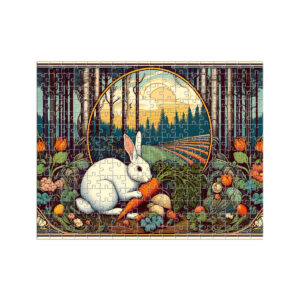
Art Nouveau Puzzle – White Rabbit in a Whimsical Garden 250 | 300 | 500 Pieces
Price range: kr 348,00 through kr 439,00 Select options This product has multiple variants. The options may be chosen on the product page -
 Jigsaw Puzzles
Cat & Sunset Wooden Jigsaw Puzzle 250 | 300 | 500 Pieces
Price range: kr 348,00 through kr 439,00 Select options This product has multiple variants. The options may be chosen on the product page